How to Source Galvanized Coil for Your Business Needs?
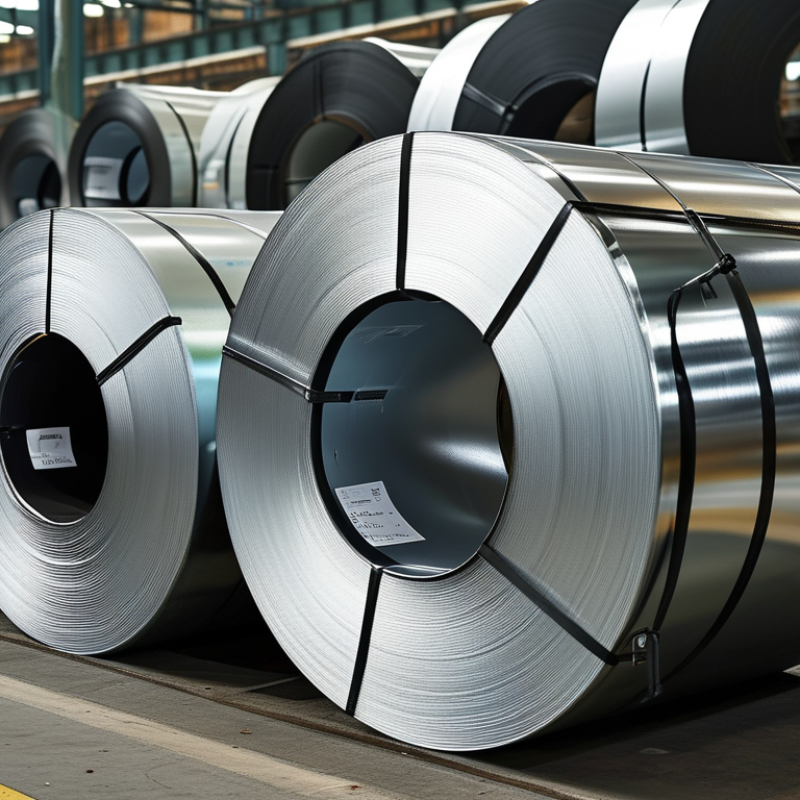
When sourcing galvanized coil for your business needs, understanding the market is crucial. Galvanized coil is a versatile material, widely used in various industries. It offers excellent corrosion resistance and durability, making it a popular choice for construction, automotive, and appliances.
Finding reliable suppliers is essential. Research their reputation and product quality. Quality assurance is paramount; you don’t want to deal with subpar materials. Working with established manufacturers can often yield better results. Prices can vary significantly between suppliers, so it's worth comparing options.
Consider your specific requirements. Dimensions, thickness, and coating weight are vital details. A wrong choice could lead to increased costs or project delays. The road to sourcing galvanized coil may have bumps. Reflect on your choices and adapt your strategy as necessary.
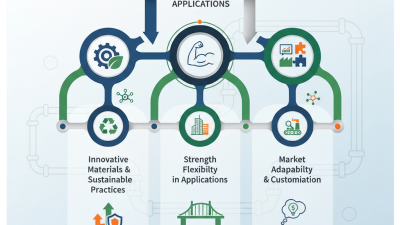
Understanding Galvanized Coil and Its Applications
Galvanized coil is a type of steel that has been coated with zinc to prevent corrosion. This process enhances durability and extends the material's lifespan. It is widely used in construction, automotive, and manufacturing industries. According to a report by the International Zinc Association, over 6 million tons of galvanized steel are produced annually worldwide. This reflects its growing demand.
The applications of galvanized coil are extensive. In construction, it's often utilized in roofing and siding. Its resistance to rust makes it ideal for outdoor applications. The automotive industry benefits from galvanized steel in body panels, enhancing longevity. A study from the American Galvanizers Association states that galvanized products can last over 50 years without needing replacement. However, sourcing high-quality galvanized coil can be challenging.
Suppliers may offer varying levels of quality and consistency. It's essential to verify the specifications and coating thickness. In some cases, less reliable suppliers may compromise on these standards. Ensuring proper certification helps in selecting the right material. Businesses must remain vigilant in their sourcing process to avoid potential pitfalls in product quality.
Identifying Reliable Suppliers for Galvanized Coil
Finding reliable suppliers for galvanized coil is crucial for your business. Start by researching potential suppliers online. Look for companies that have a solid reputation. Customer reviews can provide insights into their reliability. Focus on suppliers with a proven track record in the industry. This step saves time and avoids potential issues later on.
Networking plays a key role. Attend industry trade shows, conferences, or workshops. These events offer opportunities to meet suppliers face-to-face. Engaging directly helps build trust. Ask specific questions about their sourcing processes. Pay attention to how they respond. Clear and honest communication is essential.
Quality assurance is non-negotiable. Request samples before making bulk purchases. Inspect the material for consistency and gauge its overall quality. It's okay to find some flaws during initial assessments. Use these imperfections as learning points for future sourcing. Establishing long-term partnerships with dependable suppliers ensures that you can consistently meet your business needs.
Evaluating Quality Standards of Galvanized Coil Products
When sourcing galvanized coil, understanding quality standards is crucial. Industry reports reveal that approximately 40% of galvanized products fail to meet specified performance criteria. This highlights the need for careful evaluation. Look for certifications from recognized bodies. These can indicate compliance with international standards.
One key aspect to consider is the coating thickness. The American Society for Testing and Materials (ASTM) specifies minimum coating weight requirements for different applications. For example, a typical galvanized coil for roofing should have a minimum of 275 g/m². Failing to meet this can lead to reduced corrosion resistance and ultimately shorten the product's lifespan.
Visual inspection can also reveal potential quality issues. Signs of rust or uneven coating may suggest manufacturing defects. A reliable supplier should provide detailed reports of their production processes. They must also be transparent about the sourcing of their raw materials. This not only affects the final product's quality but reflects their commitment to maintaining high standards. Remember, not all suppliers adhere to the best practices. A thorough research process is essential.
Galvanized Coil Quality Standards Evaluation
Comparing Pricing Strategies for Galvanized Coil Procurement
When sourcing galvanized coil, pricing strategies play a crucial role. Different suppliers offer varying rates based on several factors. Understanding these elements can empower your negotiation process. Factors such as market demand, quality variations, and shipping costs can influence pricing. Being aware of these can lead you to better deals.
One common strategy is to compare prices from multiple suppliers. This approach allows you to identify competitive rates. However, low prices might not always signal high quality. It's essential to assess the reputation of suppliers. Experience and customer reviews can reveal a lot. Balancing cost against quality remains a significant challenge.
Some businesses choose long-term contracts to secure better pricing. This strategy promises stable rates but ties you to one supplier. Flexibility can be lost in such arrangements. Occasionally, it might be beneficial to explore short-term deals to keep options open. Reflecting on your past procurement experiences can guide future decisions, helping you achieve better results.
Establishing Long-Term Relationships with Galvanized Coil Vendors
Building long-term relationships with vendors of galvanized coil is crucial for business success. Trust is the foundation. This trust is built over time through honest communication and consistent quality checks. It's important to share project plans. This openness fosters collaboration and ensures that vendors understand your specifications.
Regular feedback is essential. When a vendor provides a batch that doesn't meet expectations, addressing it promptly can improve future quality. Developing a feedback loop shows that you value their input. Engaging in joint problem-solving can strengthen your partnership. Vendors appreciate when you view them as allies rather than just suppliers.
Additionally, consider visiting their facilities. This hands-on approach can provide insights into their production processes. It can also signal your commitment to a healthy partnership. Vendors may also share their own challenges. Understanding these challenges can lead to more effective solutions. Reflect on your expectations and be willing to adjust them based on this relationship.
How to Source Galvanized Coil for Your Business Needs?
| Vendor Type |
Location |
Minimum Order Quantity |
Lead Time |
Payment Terms |
| Local Supplier |
USA |
500 tons |
4 weeks |
30% upfront |
| International Importer |
China |
1000 tons |
6 weeks |
50% upfront |
| Regional Distributor |
Mexico |
250 tons |
3 weeks |
Cash on delivery |
| Large Manufacturer |
Germany |
2000 tons |
8 weeks |
Net 30 days |