Why Choose Galvanized Coil for Your Construction and Manufacturing Needs?
In the construction and manufacturing sectors, the choice of materials can significantly impact project outcomes. One popular option is the galvanized coil. This material is known for its durability and corrosion resistance. Many in the industry trust galvanized coil for various applications, such as roofing and structural frameworks.
The coating process of galvanized coil involves zinc, which enhances its lifespan. This makes it a smart choice for buildings exposed to harsh weather conditions. However, not all galvanized coils are created equal. The quality of the galvanization process matters greatly. It's essential to consider the thickness of the zinc coating when making a selection.
Builders and manufacturers often grapple with choosing the right materials. Cost and longevity are common concerns. It's crucial to weigh these factors carefully. Investing in high-quality galvanized coil can lead to better long-term results. Ultimately, informed choices in materials can make a significant difference in durability and performance.
Benefits of Galvanized Coil in Construction Projects
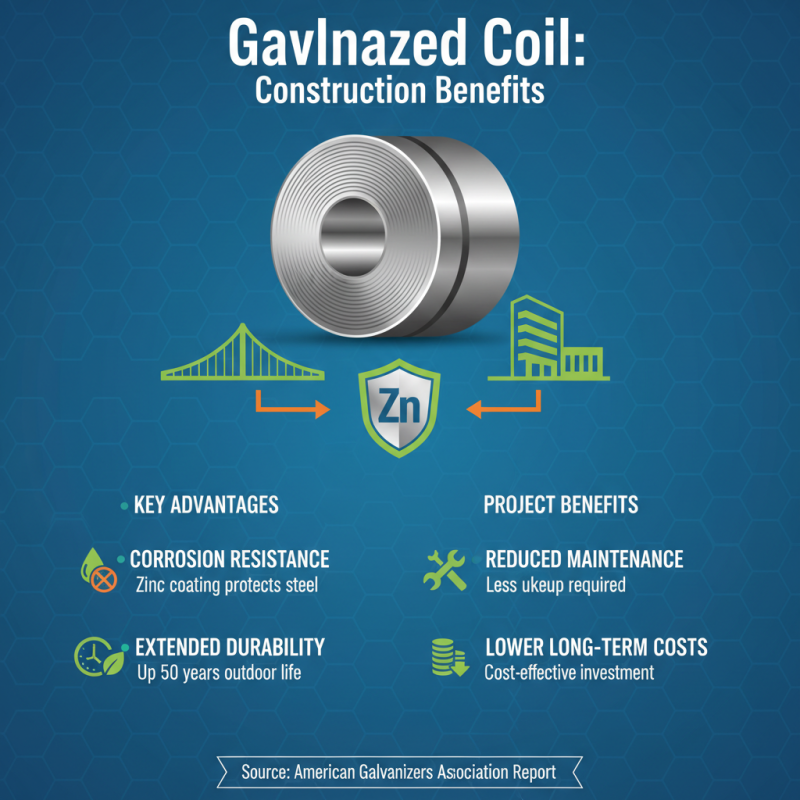
Galvanized coil has become a popular choice in construction projects due to its extensive benefits. This type of steel is coated with zinc to enhance corrosion resistance. According to a report from the American Galvanizers Association, galvanized steel can last up to 50 years in outdoor environments, requiring less maintenance over time. This durability translates to lower long-term costs for construction companies.
Furthermore, galvanized coil provides excellent sustainability benefits. Research shows that galvanized steel can be recycled without loss of properties. The Steel Recycling Institute reports that 85% of all steel is recycled in North America. By choosing galvanized options, builders can contribute to reducing waste and promoting sustainable practices in construction.
Design flexibility is another advantage of galvanized steel. It can be easily fabricated into various shapes and sizes, accommodating diverse architectural designs. However, fabrication should consider potential challenges, such as the need for specialized tools to cut and shape the material. Understanding these aspects ensures better project outcomes while leveraging the strengths of galvanized coil.
Common Applications of Galvanized Coil in Manufacturing
Galvanized coil is widely used in manufacturing due to its durability and resistance to corrosion. This material undergoes a zinc coating process, enhancing its lifespan and protecting it from the elements. One common application is in HVAC systems, where ducts made from galvanized coil ensure better air quality. These ducts remain rust-free for years, reducing maintenance costs.
Another frequent use is in the automotive industry. Galvanized coil is utilized for body parts that require strength and resistance to rust. This is critical for enhancing vehicle longevity. Additionally, construction often employs galvanized coil, particularly for roofing and siding. The robust nature of galvanized steel can withstand harsh weather, safeguarding structures for decades.
Despite its advantages, some challenges arise. The cutting process can create sharp edges, which might pose safety risks. Moreover, improper handling can lead to scratches, diminishing the protective layer. Manufacturers must remain vigilant in their use of galvanized coil, consistently weighing its benefits against potential drawbacks. Continuous improvement in techniques could further enhance the overall performance of this valuable material.
Durability and Corrosion Resistance of Galvanized Materials
Galvanized materials have become a go-to choice for construction and manufacturing due to their exceptional durability and corrosion resistance. According to the American Galvanizers Association, galvanized steel can resist corrosion for decades, significantly extending its lifespan compared to untreated steel. This is vital in environments exposed to moisture, chemicals, or extreme weather conditions. In fact, studies indicate that galvanized coatings can reduce maintenance costs by up to 50%.
When using galvanized coil, it's essential to consider the environmental factors your materials will face. For instance, high humidity or coastal areas may require thicker coatings to ensure long-lasting protection. Understanding the specific environment allows for informed decisions, optimizing both performance and cost.
Tip: Always keep a record of the environmental conditions your materials will endure. This data will guide future projects and material selections. Regularly assessing these conditions against the corrosion data can provide insights into the longevity of your investment. Remember, choosing the right thickness for your galvanized coil may involve trade-offs between initial cost and long-term durability. Reflect on your project's lifecycle to make the best decision.
Cost-Effectiveness of Using Galvanized Coil in Building
Galvanized coil is an excellent choice for construction and manufacturing due to its cost-effectiveness. This material offers a strong barrier against rust and corrosion, making it last longer than non-galvanized alternatives. Using galvanized coil can significantly reduce maintenance costs over time. For contractors and manufacturers, this translates to savings that can be reallocated to other essential areas.
When considering the installation of galvanized coil, attention to detail can enhance cost savings. Ensure proper sealing and insulation to maximize durability. Over time, minor issues may arise, such as localized corrosion or wear due to environmental factors. Regular inspections can help identify these issues early.
Tips: Opt for higher quality galvanized coils. They often feature better zinc coatings, enhancing longevity. Consider local suppliers to minimize transportation costs and support the community. Remember, not every project may require galvanized materials; assess your specific needs carefully. Making informed choices now can lead to substantial long-term benefits.
Environmental Considerations in the Use of Galvanized Coil
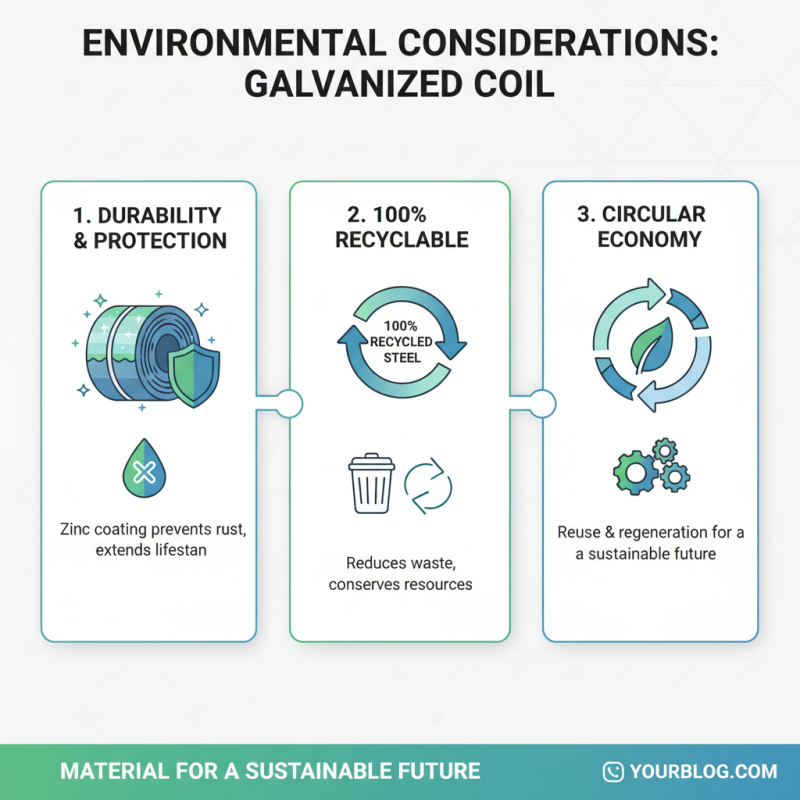
The environmental impact of materials used in construction cannot be ignored. Galvanized coil stands out due to its durability and recyclability. This steel product is coated with zinc, providing a protective layer that prevents rust and prolongs its life. When the time comes for replacement, galvanized coil can be 100% recycled, significantly reducing waste. This reuse contributes to a circular economy, which is crucial for a sustainable future.
Tips for using galvanized coil: ensure you select the right thickness based on your application. Proper installation also enhances its lifespan, minimizing the need for frequent replacements. While galvanized coil has many benefits, it’s essential to keep in mind the energy consumed during its production. This process can be resource-intensive, raising questions about its overall environmental footprint.
Though galvanized coil offers many advantages, consider sourcing it from manufacturers that prioritize sustainable practices. Researching their processes can ensure you choose options that align with your environmental values. Always weigh the long-term benefits against initial carbon costs, fostering a deeper understanding of sustainable construction materials.