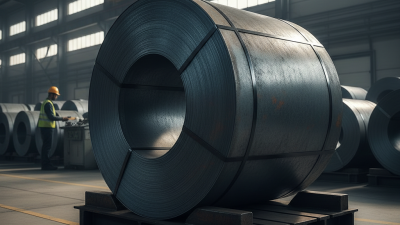
China Best Metal Coils for Global Buyers in 2026?
As the global demand for metal coils increases, China is poised to become a key player in this industry by 2026. Industry expert Dr. James Miller, a renowned authority in metal manufacturing, states, “China will shape the future of metal coils with innovation and efficiency.” With advancements in technology, China's production capacities will expand significantly.
Metal coils are integral to various sectors, including construction and automotive. The ability to produce high-quality coils at competitive prices draws international buyers. However, the industry must address environmental concerns and sustainability practices. These issues present challenges that require thoughtful solutions.
China's metal coils promise a blend of affordability and quality, yet potential buyers should remain informed and critical. Understanding market dynamics will help in making educated decisions. Awareness of these factors will lead businesses to foster beneficial relationships, ensuring they navigate this evolving landscape effectively.
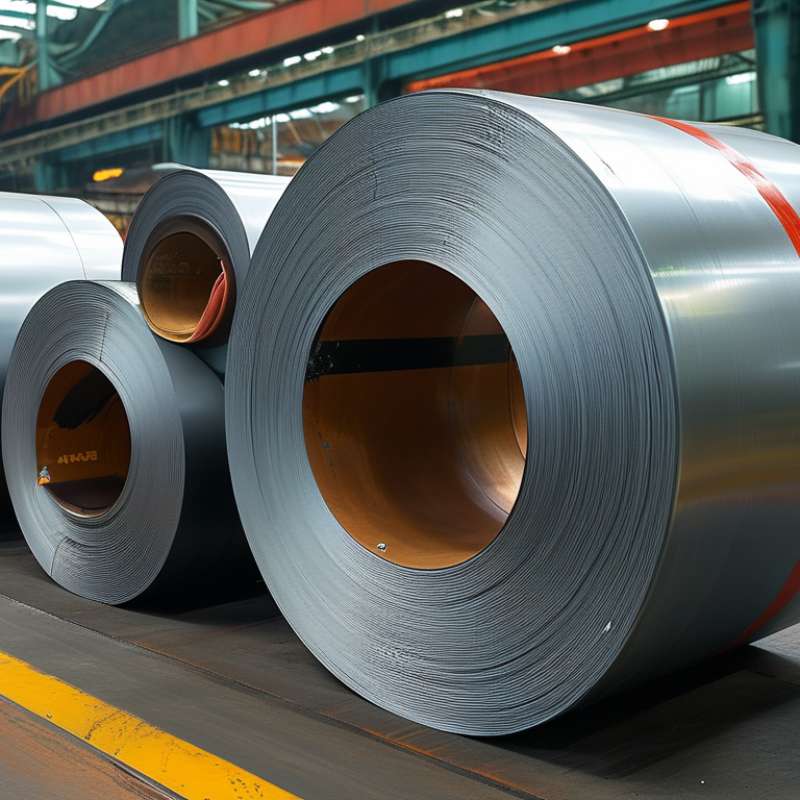
China's Position in the Global Metal Coils Market by 2026
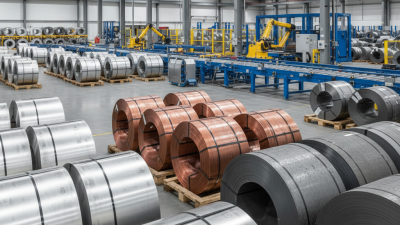
China has solidified its position in the global metal coils market. By 2026, the country's production capabilities will likely expand. A diverse range of products is set to emerge. This increased variety can cater to the unique demands of different industries worldwide.
The factors driving China's rise include technological advancements and efficient manufacturing processes. Chinese companies are adopting smarter production techniques. These improvements lead to higher quality metal coils and reduced costs. However, challenges persist. Increasing environmental regulations could impact operations. Striking a balance between production efficiency and compliance is crucial.
Chinese manufacturers are focusing on sustainability. This shift can enhance their global competitiveness. Buyers may prioritize eco-friendly products in the coming years. Addressing quality and sustainability will be essential for maintaining market share. As the global landscape evolves, China's role will demand continuous adaptation and innovation. The journey will not be linear; ongoing reflection will be necessary for success.
Current Trends in China's Metal Coil Production and Export Rates
China's metal coil production is experiencing notable trends in 2026. The growing demand for high-quality metal coils globally is reshaping production strategies. Manufacturers are focusing on improving the quality and efficiency of metal coils. This shift is vital as businesses seek competitive advantages.
Export rates of metal coils from China are fluctuating. Some sectors show a rise due to new markets emerging, while others face stiff competition. Challenges such as fluctuating raw material costs and international trade barriers affect the industry. These issues call for reflection on sustainable practices and innovation in production techniques.
The trend toward eco-friendly production is gaining traction. Many factories are investing in clean technologies to reduce emissions. However, not all manufacturers adhere to these practices consistently, raising concerns about reliability and environmental impact. The landscape of metal coil production and export is evolving, requiring ongoing adaptation and commitment to quality.
Key Factors Influencing Demand for Metal Coils Worldwide
The demand for metal coils is driven by several key factors. Economic growth in emerging markets significantly impacts the global demand. Countries like India and Brazil are ramping up infrastructure projects. These projects often require high-quality metal coils. As these nations grow, their need for reliable metal products increases.
Technological advancements also play a crucial role. Innovations in manufacturing processes enhance the quality of metal coils. Buyers are increasingly looking for products that offer strength and durability. Additionally, sustainability is becoming a focus for many industries. Eco-friendly metal solutions are gaining popularity. This shift influences global buyers' preferences.
Market dynamics present some challenges. Fluctuations in raw material prices can create uncertainty. Suppliers need to be agile and responsive. Some regions may lack the infrastructure to meet rising demands. Understanding these complexities is vital for all stakeholders involved in the metal coil market.
Comparative Analysis of China's Metal Coils with Global Competitors
China's metal coils are gaining attention on the global stage. Their production capabilities have grown dramatically. The country's advanced manufacturing techniques contribute significantly to this progress. However, some challenges remain, such as quality control and environmental regulations. These factors can affect competitiveness in the long term.
When comparing China's metal coils to those from other countries, distinct differences emerge. Chinese manufacturers often focus on cost-effectiveness, resulting in lower prices. Yet, the trade-off may involve sacrificing certain quality aspects. In contrast, producers in other regions prioritize stringent quality measures. This leads to higher prices but can ensure more reliable products.
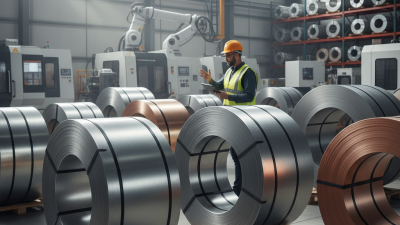
Innovation is key to maintaining an edge in the metal coil market. China's investment in technology, such as AI and automation, is crucial. However, there is room for improvement in sustainability practices. Environmental impacts need more attention to align with global standards. As China navigates these challenges, the comparative analysis will continue to evolve. They must balance cost, quality, and environmental responsibility more effectively.
China Best Metal Coils for Global Buyers in 2026 - Comparative Analysis
| Dimension |
China |
Global Competitor A |
Global Competitor B |
Global Competitor C |
| Pricing (USD per ton) |
900 |
950 |
980 |
1000 |
| Quality Rating (1-10) |
8 |
7 |
9 |
8 |
| Production Capacity (tons/year) |
500000 |
300000 |
450000 |
400000 |
| Export Percentage (%) |
60 |
50 |
70 |
65 |
| Sustainability Score (1-100) |
75 |
65 |
85 |
80 |
Future Projections for China's Metal Coil Industry and Trade Dynamics
China's metal coil industry is poised for significant growth by 2026. Current trends indicate a robust demand driven by advancements in automotive, construction, and machinery sectors. According to recent reports, China's production of metal coils is projected to exceed 28 million tons by 2026, marking a 15% increase from 2022.
Trade dynamics are also evolving. Export volumes of metal coils are forecasted to rise, especially to emerging markets in Asia and Africa. However, challenges remain. Increased competition from domestic manufacturers and fluctuating raw material prices could disrupt growth. Import tariffs in various countries may further complicate trading relationships.
Sustainability is becoming a key focus. The industry is grappling with environmental concerns. Reports suggest a growing emphasis on green production methods. This shift is necessary for compliance with global standards. Manufacturers must adapt their practices to remain competitive. Embracing technology will be critical for optimizing production and reducing waste. Overall, while the future is promising, the industry must navigate significant hurdles to achieve its potential.