How to Create Stunning Art with Copper Plate Techniques?
Creating stunning art through Copper Plate techniques requires skill and insight. Renowned copper plate expert, Dr. Emily Carter, once stated, "Copper plates offer endless possibilities for expression." This sentiment resonates deeply within the art community, inspiring many to explore this unique medium.
Working with copper plates can be both challenging and rewarding. The process demands precision, yet artists often find themselves lost in creativity. Each line, each etch, forms a narrative that reflects personal emotions. The tactile nature of copper allows for experimentation, inviting artists to make unexpected choices. Mistakes are inevitable, yet they often lead to surprising discoveries.
In the world of Copper Plate art, patience is essential. Artists must invest time to master techniques like engraving and etching. Each step offers opportunities for reflection. The beauty lies in learning from imperfections. As artists gain confidence, their creations evolve, making every piece a journey worth taking.
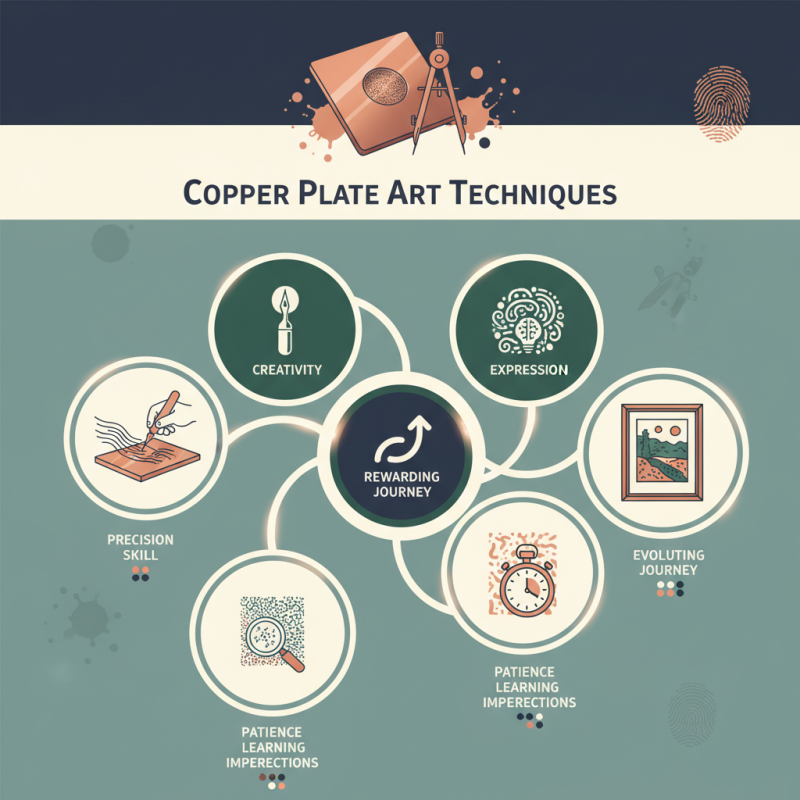
Understanding Copper Plate Techniques: A Comprehensive Overview
Copper plate techniques offer artists a unique medium for expression. These methods include
etching, engraving, and aquatint, each providing distinct effects.
With etching, artists use acid to create images on copper surfaces.
This process can be unpredictable. It requires precision, yet sometimes offers surprising results that can enhance the artwork.
Engraving, in contrast, involves physically carving designs into the copper surface.
This technique demands patience and a steady hand, causing some artists frustration. Mistakes can be costly and time-consuming, but they often lead to
new artistic directions. Meanwhile, aquatint allows for softer tonal areas through powdered resin.
This method requires experimentation and understanding of the chemicals involved, which can feel daunting to beginners.
As you delve into these techniques, embrace the learning process. Each failure is a stepping stone toward mastery.
Reflect on your approach and be open to the unexpected. Let the characteristics of the copper guide your creative journey.
Understanding these techniques thoroughly will enhance your artistic endeavors.
Essential Materials for Copper Plate Art: Tools and Supplies Required
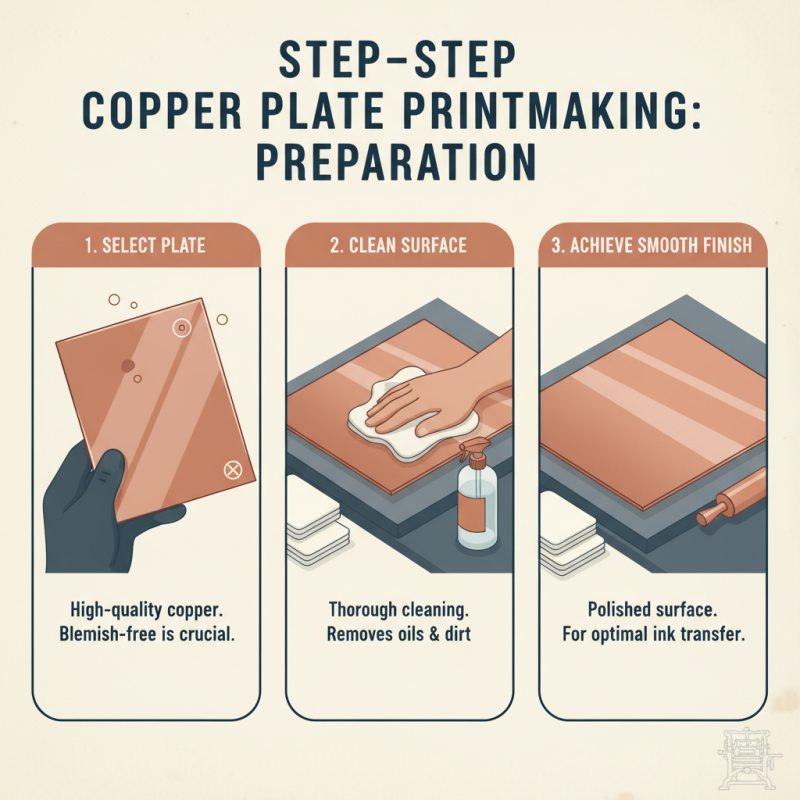
Creating stunning art using copper plate techniques can be both rewarding and challenging. To start, gather essential materials that are crucial for this art form. You’ll need a copper plate, which serves as your canvas. Selecting a high-quality plate ensures better results. A good etching knife is necessary for precise engraving. These tools help define your artistic vision, but they require practice to master.
In addition to the plate and knife, you’ll need various supplies. Ink is vital; it transfers your design to paper. A brayer will help spread the ink evenly over the plate. Don’t forget about the printing press—this piece of equipment will ensure your artwork is properly printed. While investing in these tools can be daunting, patience and perseverance will help you overcome any initial frustrations.
Every artist faces challenges, especially when trying new techniques. Mistakes might lead to unexpected discoveries. Embrace the imperfections; they often guide your creative process. Remember, the goal is to explore and grow. Each print can teach you something new. The right materials make a significant difference, but your artistic journey is equally about discovery and experimentation.
How to Create Stunning Art with Copper Plate Techniques? - Essential Materials for Copper Plate Art: Tools and Supplies Required
| Material |
Description |
Purpose |
| Copper Plate |
A flat sheet of copper used as the base for etching. |
To create the etching surface. |
| Etching Tools |
Tools such as burins and needles for carving designs onto the plate. |
To transfer designs onto the copper plate. |
| Resist Material |
A wax or liquid that protects areas of the copper plate from acid. |
To keep certain areas of the plate free from etching. |
| Etching Acid |
A solution, often ferric chloride, used to etch the copper plate. |
To chemically carve the exposed areas of the copper. |
| Ink |
Special etching ink designed to capture the etched lines. |
To transfer the design onto paper during printing. |
| Printing Press |
Device used to transfer ink from the plate to paper. |
To print the final design. |
| Paper |
Specially selected paper that holds ink well. |
To print the artwork. |
Common Challenges in Copper Plate Techniques and How to Overcome Them
Copper plate techniques can be rewarding yet challenging. Many artists struggle with etching depth control. Achieving the desired line thickness often requires extensive practice. According to a 2020 survey by the International Fine Print Dealers Association, 45% of printmakers cited etching depth as a key challenge. Mastery takes time and patience. Mistakes often occur, leading to frustration. Embracing these errors is crucial for growth.
Another common issue is the quality of the inks used. Not all inks yield consistent results on copper plates. An industry report highlighted that almost 60% of artists experienced inconsistencies due to ink choices. Choosing the right viscosity is essential. Some artists find success by mixing their own inks, which can lead to unique textures. Experimentation may lead to unexpected outcomes, which could be either disappointing or enlightening.
Finally, managing corrosion is vital. Unsuitable storage environments can significantly decrease a plate's longevity. A study found that 40% of artists recalled issues with plate deterioration over time. Regular maintenance and proper cleaning techniques are essential. Artists should dedicate time to refining these practices. Reflection on past experiences can help inform future creations.
Exploring Artistic Styles: Examples of Notable Artists Using Copper Plate
Copper plate techniques have a rich history in the art world. Notable artists have utilized this medium to create striking images. One of the most prominent figures is Francisco Goya. His etchings portray intense emotions, often exploring dark themes. Goya's work showcases how copper can reflect a powerful narrative.
Another influential artist is Rembrandt. He experimented with varied inking and printing methods. His attention to light and shadow is remarkable. Rembrandt's pieces often capture the human experience's complexities. His dedication to mastering copper plate techniques illustrates the medium's versatility.
It's essential to acknowledge the challenges with copper plate art. Masters like Goya and Rembrandt faced difficulties with etching intricacies. The process can be time-consuming and precise. Artists can encounter unexpected results, leading to reflection and growth. Embracing imperfections is part of the journey in mastering this technique.
Artistic Styles in Copper Plate Techniques