What is Carbon Pipe and its Applications in Global Trade?
The global trade landscape increasingly relies on Carbon Pipe as a crucial component in various industries. These pipes facilitate the transportation of fluids and gases, playing a vital role in manufacturing and energy sectors. According to a report by MarketsandMarkets, the global carbon pipe market is projected to reach $3.2 billion by 2025, driven by rising demand in infrastructure and energy applications.
Dr. Sarah Thompson, a renowned expert in materials engineering, highlights the significance of Carbon Pipe in modern commerce. She states, “Carbon Pipe technology has transformed how industries operate, providing efficiency and sustainability.” This technology not only enhances operational efficiency but also reduces environmental impact, a key concern for modern businesses.
However, the industry faces challenges. Issues like quality control and environmental regulations constantly evolve. Companies must adapt quickly to comply with changing standards. While Carbon Pipe offers numerous benefits, businesses need to reflect on their practices to ensure they meet both market demands and regulatory expectations. The future of Carbon Pipe in global trade looks promising, yet requires continuous improvement and innovation.

What is Carbon Pipe? Definition and Physical Properties
Carbon pipes are essential components in various industries around the world. They are primarily made from carbon steel, which is known for its strength and durability. These pipes possess unique physical properties, including high tensile strength and resistance to corrosion. Their versatility allows them to be used in transporting fluids, gases, and even solids. The standard dimensions make them easily integrable in many applications.
Tips: When selecting carbon pipes, consider factors like temperature and pressure. Knowing the working conditions helps in choosing the right pipe specifications.
In global trade, carbon pipes play a significant role. They are widely used in construction, oil and gas, and automotive sectors. The lightweight nature of carbon pipes offers both transport and installation advantages. However, improper handling can lead to damage or deformation. This requires careful consideration during manufacturing and shipping processes.
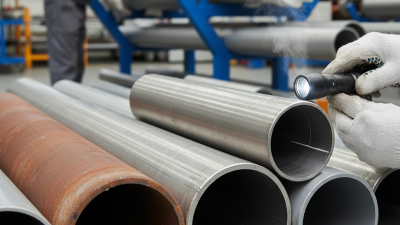
Tips: Always inspect carbon pipes for any signs of damage before use. A small crack can lead to significant failures later on. Understanding the risks associated with carbon pipes helps mitigate potential hazards.
Carbon pipes have high thermal conductivity, making them ideal for heat transfer applications. However, their thermal expansion properties can cause challenges. Engineers must factor in these aspects when designing systems. Balancing strength and flexibility is crucial to ensure longevity and safety.
Types of Carbon Pipes: Standard Sizes and Grades in the Market
Carbon pipes play a crucial role in various industries. Understanding the types available can help in selecting the right fit for specific needs. Generally, carbon pipes are categorized by sizes and grades, each serving different applications in global trade.
Common sizes include both standard and custom dimensions. Standard sizes typically range from ½ inch to 24 inches in diameter. This variation allows flexibility for various applications, including construction, automotive, and oil and gas sectors. Grades of carbon pipes can differ based on mechanical properties and material compositions. Commonly used grades include ASTM A106 and A53. Each grade has specific uses, influencing the choice of pipe for a project.
When selecting carbon pipes, consider both application and environment. Some may corrode over time, affecting durability. It is important to evaluate base materials and coatings. Sometimes, overestimating the strength of a certain grade leads to project failures. Utilizing a detailed understanding of sizes and grades ensures better decision-making in procurement. Attention to detail is essential for optimal performance in global trade.
Global Trade Statistics: Carbon Pipe Export and Import Trends
Carbon pipe plays a significant role in global trade, driven by its versatility and strength. These pipes are essential in various industries, such as oil, gas, and construction. Recent statistics show a rising trend in both carbon pipe exports and imports, indicating growing demand across the globe.
Key markets for carbon pipes include regions like North America and Asia. The import and export data reveals a shift in supply chains. Countries are increasingly sourcing carbon pipes from diverse locations. This shift reflects changing economic landscapes and trade agreements. However, coordination among manufacturers remains a challenge.
The demand for carbon pipes also highlights inconsistencies in quality and standards. Not all exporters maintain the same level of precision in production. Buyers must ensure they validate suppliers before purchasing. As trade evolves, these complexities might hinder seamless transactions. Understanding market dynamics is crucial for businesses navigating this sector. Keeping an eye on trade statistics can provide valuable insights into future trends and challenges.
Applications of Carbon Pipe in Industries: Oil, Gas, and Manufacturing
Carbon pipes are essential in various industrial applications, particularly in oil, gas, and manufacturing. In the oil and gas sector, these pipes transport crude oil and natural gas over long distances. They are favored for their high strength and durability. However, they can corrode under extreme conditions, which poses a challenge for maintenance teams.
In manufacturing, carbon pipes have versatile uses. They are integral in the construction of machinery and equipment. Their ability to withstand high pressure and temperature makes them ideal for heavy-duty applications. Yet, the techniques for welding and handling carbon pipes require specialized skills. A lack of expertise can lead to structural failures, causing downtime and safety hazards.
Despite their advantages, carbon pipes are not without issues. For example, the risk of leaks can impact both safety and the environment. Industries must continually assess their management of these materials. Investing in training and technology can mitigate risks associated with their use, ensuring that operations remain efficient and safe.
Future of Carbon Pipe: Innovations and Environmental Considerations
Carbon pipes are gaining traction in global trade due to their unique properties. They are lightweight yet strong, making them suitable for various applications. This versatility aligns with the trend towards sustainability and operational efficiency. As industries seek to reduce their carbon footprint, carbon pipes are becoming a practical choice.
Looking ahead, innovations in carbon pipe technology are on the rise. Smart manufacturing processes are enhancing their production, focusing on reducing waste and energy consumption. Yet, the environmental impact of carbon fibers is not fully understood. Some production methods involve toxic chemicals. Companies must scrutinize their supply chains to ensure eco-friendly practices.
Adoption of carbon pipes raises interesting questions. How do we balance innovation with environmental responsibility? There’s a growing need for collaboration among manufacturers, regulators, and environmentalists. Clear standards are required to guide sustainable practices without stifling progress. Addressing these challenges will shape the future of carbon pipes in global trade.