2026 How to Purchase Hot Rolled Steel Coils Effectively?
In the evolving landscape of the steel industry, purchasing Hot Rolled Steel Coils effectively has never been more critical. Expert Michael Johnson, a leading analyst in the metallurgical field, emphasizes, “Understanding market trends is key to securing the best steel coils.” His insights highlight the complexity of securing high-quality materials.
Many factors influence the purchase of Hot Rolled Steel Coils. Buyers must consider market fluctuations, quality standards, and suppliers' reliability. Each decision can impact production timelines and budget constraints. A transparent and informed approach is essential for obtaining the best prices.
Challenges often arise when sourcing such materials. For instance, it's vital to evaluate suppliers meticulously. Not all manufacturers adhere to strict quality control. This can lead to unforeseen issues in production. Buyers must advocate for transparency and build reputable partnerships. As we delve deeper into this topic, it's clear that effective purchasing strategies will continue to evolve. Adjustments to expectations will be necessary as market dynamics change.

Understanding Hot Rolled Steel Coils and Their Applications
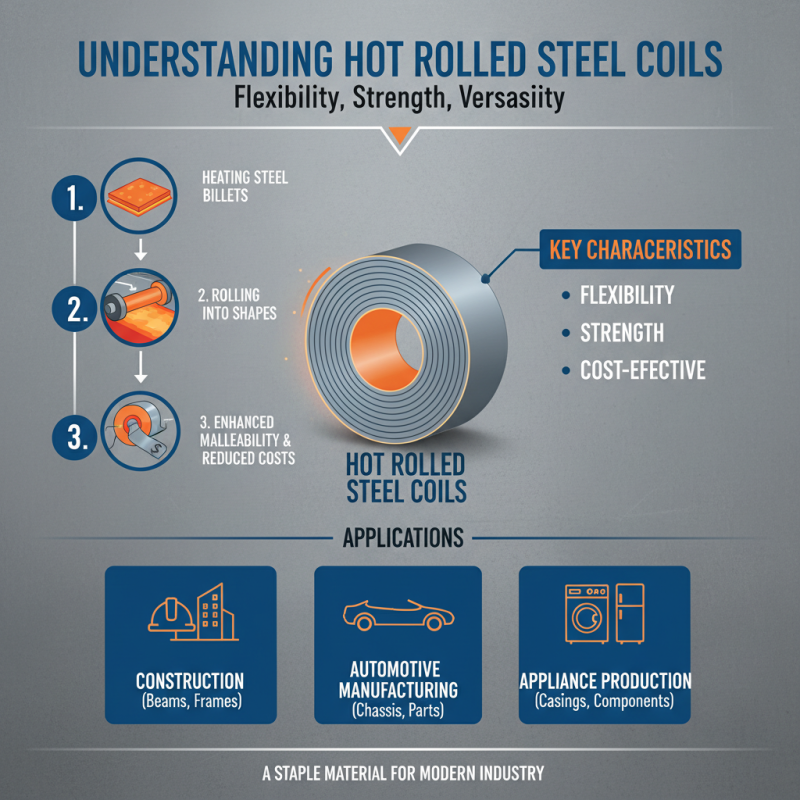
Hot rolled steel coils are widely used in various industries due to their flexibility and strength. They are produced by heating steel billets and then rolling them into desired shapes. This process enhances their malleability and helps minimize production costs. Applications of hot rolled steel coils include construction, automotive manufacturing, and appliance production. The versatility of these coils makes them a staple material for many projects.
When selecting hot rolled steel coils, it's crucial to understand their specifications. Factors such as thickness, width, and finish affect performance. For instance, a thicker coil may offer more durability but can be heavier and harder to work with. Many buyers overlook these details, leading to mismatches in their projects. Always inspect the product for any imperfections or inconsistencies. Quality assurance is vital; thus, sourcing from reliable suppliers is advisable.
Considering the intended application is critical. Are you using the coils for structural support or automotive parts? Each use demands different properties from the steel. Some buyers might opt for cheaper options, risking quality. In the end, understanding hot rolled steel coils and their applications can lead to smarter purchasing decisions. Making informed choices ensures that your projects are both safe and effective.
Key Factors to Consider When Purchasing Hot Rolled Steel Coils
When purchasing hot rolled steel coils, key factors must be acknowledged. Quality is crucial. Look for specifications that meet industry standards. According to the World Steel Association, the demand for high-quality steel has increased by 5% annually. This reflects the importance of reliability in material choice.
Cost is another significant factor. Prices can fluctuate based on global market trends. Accurate pricing data from industry reports suggest a 10% variance in costs year-over-year. Understanding market dynamics helps in making informed purchasing decisions. Awareness of geopolitical factors can also influence prices.
Supplier reputation plays a vital role. Sourcing from reputable suppliers ensures quality and service. A reliable supplier conducts regular inspections and maintains consistency. However, not all suppliers uphold high standards. Research reviews and client testimonials before making commitments. Quality control measures should always be verified. Be mindful of the fine print in contracts. Small details can significantly impact purchases over time.
2026 Hot Rolled Steel Coils Purchase Insights
Evaluating Suppliers for Hot Rolled Steel Coil Purchases
When evaluating suppliers for hot rolled steel coil purchases, focus on their experience and reputation. Start by assessing their track record in the industry. Ensure they have a history of timely deliveries and quality products. Reviews from previous clients can provide insight into reliability and service levels. Direct communication is crucial; it allows you to gauge their responsiveness.
Next, analyze the technical capabilities of potential suppliers. Look for those who can meet your specific material requirements. This includes thickness, width, and finish of the steel coils. Don't hesitate to ask for samples. Testing these samples can help confirm their compliance with your standards.
Finally, consider the pricing and terms of sale. While cost is important, it shouldn't be the only factor. An extremely low price might indicate compromises in quality. Evaluate shipping costs and lead times as well. Balance these elements to make a well-informed decision. Reflect on past experiences; they can guide you when choosing your supplier.
Negotiating Prices and Terms for Hot Rolled Steel Coils
Negotiating prices and terms for hot rolled steel coils can be challenging. Understanding market trends is essential. In 2023, the global hot rolled steel market size reached $500 billion. Experts project steady growth through 2026, driven by rising demand in construction and automotive industries. Negotiating from a place of knowledge can significantly impact your procurement costs.
When engaging with suppliers, research is key. Analyze historical price data. The benchmark price for hot rolled coils fluctuated between $600 to $800 per ton over the past year. Understanding these trends helps you set realistic expectations. Try to identify at least three suppliers. This fosters competition and may yield better pricing.
**Tips:**
1. Always request detailed quotes that outline all costs.
2. Discuss payment terms upfront. This prevents surprise fees later.
3. Build relationships with key suppliers. Trust can lead to favorable terms.
Remaining aware of shifting market dynamics allows for better negotiations. Be prepared for fluctuating prices based on raw material costs. Reflect on your negotiation strategies regularly to improve effectiveness. Keep learning about the industry to stay competitive.
Best Practices for Quality Assurance in Hot Rolled Steel Procurement
When purchasing hot rolled steel coils, ensuring quality is paramount. The process can be intricate, yet with careful consideration, you can secure high-quality materials that meet your specifications. Quality assurance starts with understanding your needs. Define the required grades, thicknesses, and dimensions. This clarity helps align your procurement with manufacturers’ capabilities.
Tip: Research various suppliers. Look for companies with established reputations in the steel industry. Reviews and testimonials can be enlightening. Engaging with online forums or industry professionals can also provide insights into reliable suppliers.
It's vital to develop a meticulous inspection process. Before finalizing your order, request samples. Examine these for compliance with established standards. Inspections should confirm dimensions, surface quality, and hardness. Sometimes, production can vary, leading to quality issues.
Tip: Consider third-party inspections. These offer an unbiased evaluation of the steel’s quality. This added step can mitigate risks and ensure what you receive meets your expectations.
Maintaining consistent communication with suppliers fosters transparency. Engage them in discussions about quality expectations and potential concerns. Listening to their expertise can sometimes reveal critical insights into the production process. This collaboration may highlight areas for improvement, allowing adjustments along the way.