Why Choose Seamless Pipe for Your Project Needs?
When considering the best materials for project needs, "Seamless Pipe" stands out for various reasons. Industry expert John Smith, a leading figure in the piping sector, emphasizes, "Seamless pipes provide unmatched strength and reliability for demanding applications." This sentiment resonates throughout the industry, highlighting the significance of choosing the right pipe for your requirements.
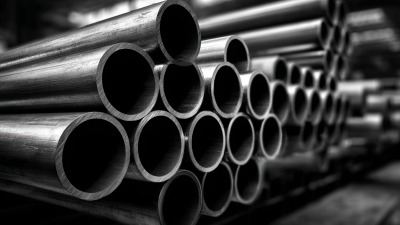
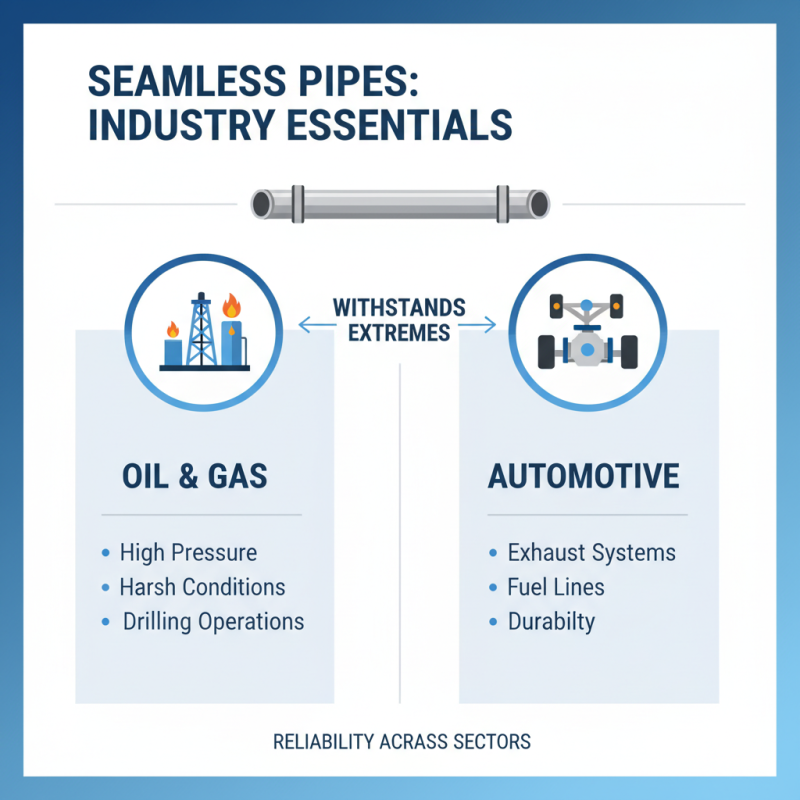
Seamless pipes are manufactured without joints, which makes them less susceptible to leaks. This characteristic is crucial in industries like oil and gas, where pressure is a constant. Their ability to withstand extreme temperatures and pressures adds to their appeal. However, the cost of seamless pipes can be higher than traditional options. This aspect leads to important reflections on budget constraints and project specifications.
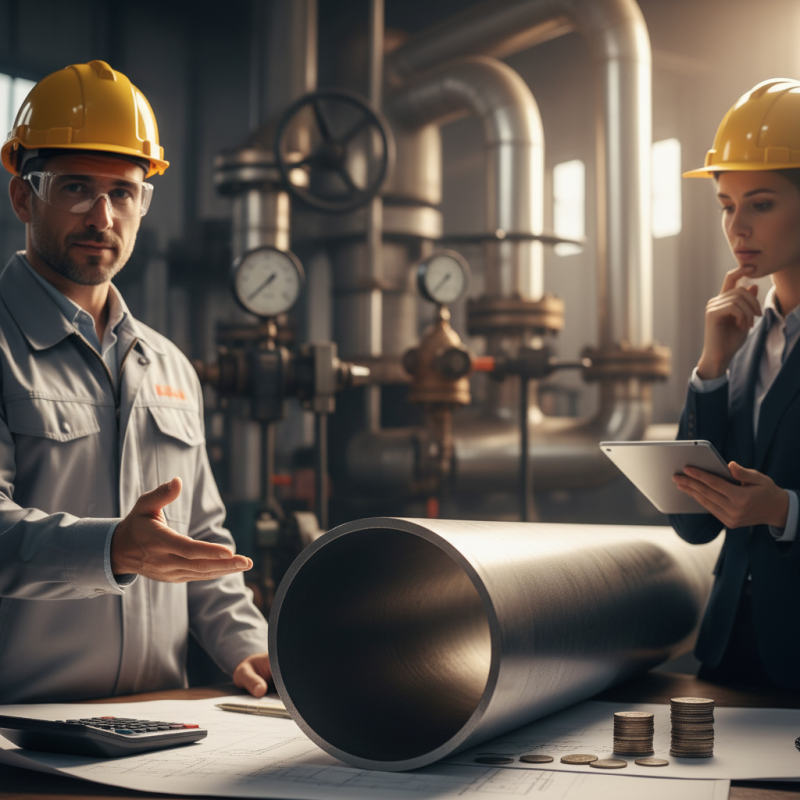
In project planning, it is essential to weigh the benefits of seamless pipes against their costs. Some may overlook their long-term advantages, focusing instead on immediate expenses. Nonetheless, investing in seamless pipes can ultimately save resources in maintenance and safety. The choice is not always clear-cut. It requires careful consideration of project needs and future implications.
Understanding Seamless Pipes and Their Manufacturing Process
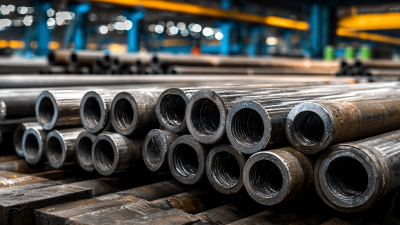
Seamless pipes are vital components in various industries. Understanding their manufacturing process can help clarify why they are a preferred choice. Produced through a forging technique, seamless pipes start as solid billets. These billets undergo heating, piercing, and elongation to form a hollow tube. This method ensures high strength and low susceptibility to defects.
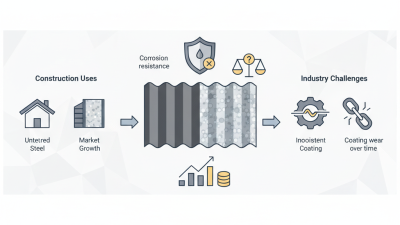
The seamless manufacturing process offers significant advantages. According to industry reports, seamless pipes exhibit increased durability with a lower risk of leaks. They can withstand higher pressure, making them ideal for critical applications. In fact, seamless pipes are often used in oil and gas, power generation, and chemical industries. One study shows that seamless pipes have a 45% higher resistance to corrosion compared to their welded counterparts.
Yet, they are not without challenges. The production process can be costly and time-consuming. Some manufacturers struggle with quality control, leading to inconsistencies. As a result, not all seamless pipes meet the high-performance standards expected in demanding environments. This makes it crucial for project managers to consider these factors when choosing seamless pipes for their needs.
Advantages of Seamless Pipes Over Welded Alternatives
When considering pipe options for industrial projects, seamless pipes are gaining popularity. They offer distinct advantages over welded alternatives. A seamless pipe is created without joints or welds, leading to superior strength and durability. According to a 2021 report by the International Journal of Engineering, seamless pipes exhibit 20% higher tensile strength than their welded counterparts.
One key benefit is resistance to corrosion and stress fractures. With no seams, seamless pipes minimize the risk of leaks. A survey indicates that nearly 40% of pipeline failures stem from welded joints. In environments that face extreme pressures, seamless pipes ensure reliability. They can handle high temperatures and pressures better than welded pipes, reducing maintenance costs over time.
However, manufacturing seamless pipes can be more complex and expensive. The initial investment might deter some projects. Despite this, the long-term benefits often outweigh costs. For projects demanding high performance, seamless pipes present a compelling choice. They serve various industries, including oil and gas, where reliability is critical. In these scenarios, opting for seamless pipes could prevent costly failures and ensure efficiency.
Why Choose Seamless Pipe for Your Project Needs? - Advantages of Seamless Pipes Over Welded Alternatives
| Dimension |
Seamless Pipe Advantage |
Welded Alternative |
Notes |
| Strength |
Higher strength due to the absence of welds. |
Potential weak points at the welds. |
Suitable for high-pressure applications. |
| Durability |
Better corrosion resistance. |
Welded joints may corrode over time. |
Ideal for harsh environments. |
| Manufacturing |
Manufactured from a solid billet, ensuring uniformity. |
Welded pipes can have inconsistencies. |
Less variability in quality. |
| Weight |
Generally lighter due to no welds. |
Heavier due to added weld material. |
Easier to handle and install. |
| Cost |
Higher initial cost but lower maintenance costs. |
Lower upfront cost but potentially higher long-term expenses. |
Consider total cost of ownership. |
Factors to Consider When Selecting Seamless Pipes for Projects
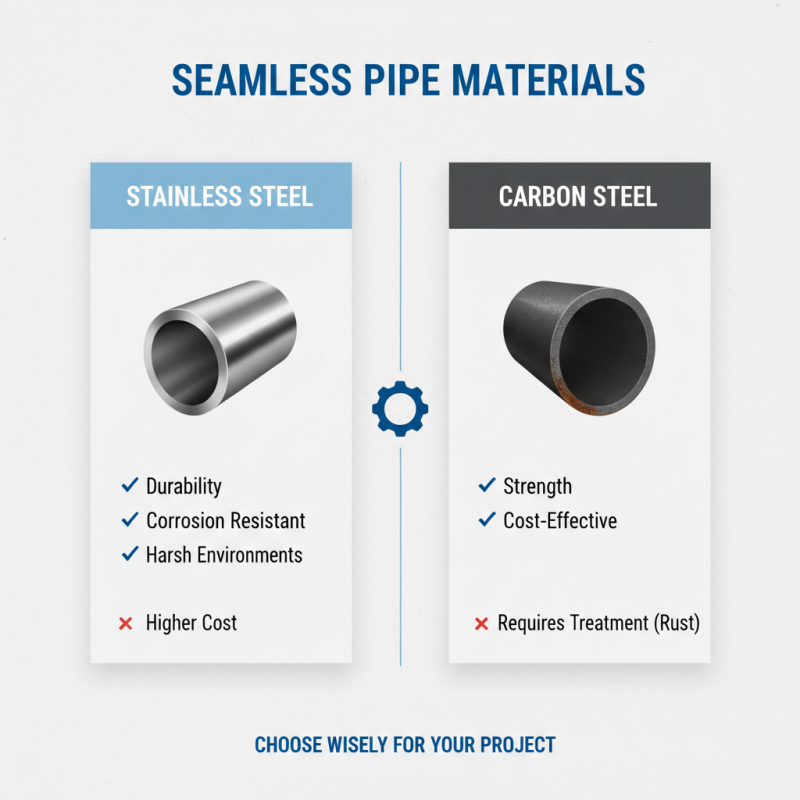
Selecting the right seamless pipe for your project involves various considerations. The material choice is crucial. It dictates durability, weight, and corrosion resistance. Many projects demand specific materials like stainless steel or carbon steel. Each has unique benefits and limitations. For instance, stainless steel withstands harsh environments. But it may come at a higher cost. Carbon steel, on the other hand, offers strength but can rust without proper treatment.
Another factor is the diameter and wall thickness of the pipe. These dimensions determine pressure ratings and flow capacities. Often, teams miscalculate these specifications, leading to project delays. Adequate pressure ratings can prevent failures down the line. It's wise to consult industry standards to ensure compliance.
Also, consider the project's environment. Factors like temperature and exposure to chemicals can affect the pipe's longevity. It’s easy to overlook these elements when in a rush. A pipe that works well in one condition may not be suitable in another. Proper research and planning are essential. It's a learning process, and asking for advice can help you make the right choice.
Maintenance and Longevity of Seamless Pipes in Operations
Seamless pipes offer significant advantages regarding maintenance and longevity. According to a recent industry report, seamless pipes can last up to 50% longer than welded alternatives. This durability stems from their uniform structure, which resists corrosion and stress more effectively. Seamless pipes often see fewer failures during their lifespan, which translates into reduced maintenance costs over time.
In high-pressure applications, seamless pipes maintain their integrity better than welded pipes. A study highlighted that over 70% of industrial failures occur at weld points. This is concerning when the stakes are high. Moreover, seamless pipes can handle extreme temperatures without deforming. Their reliability is crucial in industries like oil and gas.
However, some challenges exist in seamless pipe maintenance. Inspections can be tricky due to their continuous structure. Traditional methods might not offer the desired precision. Leaks and other issues can go unnoticed until they become severe. Regular monitoring is vital to optimize pipe performance throughout their lifecycle. Balancing quality and vigilance is essential to maximize seamless pipe benefits.
Seamless Pipe Maintenance and Longevity