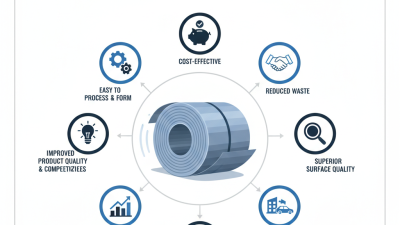
What is Hot Rolled Plate and Why is it Important for Buyers?
Hot Rolled Plate is a fundamental material in various industries, known for its versatility and strength. These plates are produced through a process that involves rolling steel at high temperatures. This method enhances malleability and allows for greater thickness variations. Buyers often rely on Hot Rolled Plate for its cost-effectiveness and durability.
Understanding Hot Rolled Plate is essential when selecting materials for construction, manufacturing, and engineering projects. The surface finish may be rough, which can impact certain applications. Buyers should consider this aspect and evaluate their specific needs. Additionally, the choice between hot and cold rolled materials can significantly affect the final product's quality.
Ultimately, while Hot Rolled Plate offers numerous benefits, buyers must be aware of its limitations too. Being informed about these characteristics ensures that decisions are made based on solid reasoning and application requirements. Knowledge about this material can lead to better project outcomes in the long run.
Definition of Hot Rolled Plate and Its Manufacturing Process
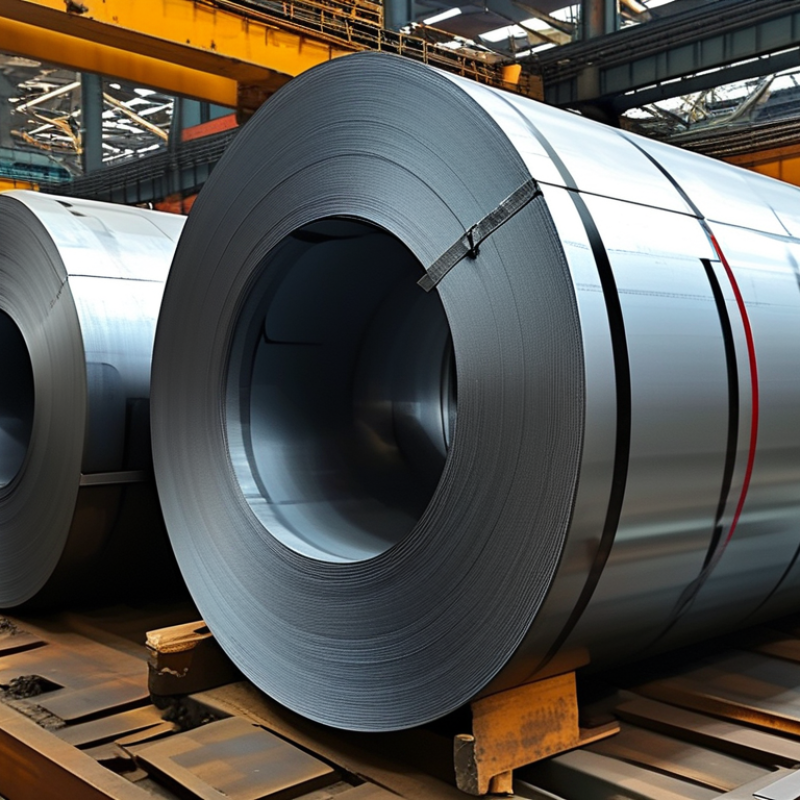
Hot rolled plate is a fundamental material in manufacturing and construction. It is made by rolling steel at high temperatures, typically over 1,700°F (926°C). This process allows the metal to be shaped into large plates while maintaining its strength. The as-rolled surface often has a rougher texture. This surface quality can impact applications, especially when aesthetics matter.
The manufacturing process involves heating steel billets until they are malleable. After that, they are passed through rollers to achieve desired thickness and width. According to industry reports, hot rolled plates are produced in thicknesses ranging from 1/8" to 6" and widths up to 120". This versatility makes them suitable for various industries, including shipbuilding, construction, and automotive.
Despite its advantages, hot rolled plate may not always meet precise tolerances. The thermal expansiveness can lead to slight size variations. Buyers should keep this in mind, especially when precise machining is required. In some cases, the finish may not be suitable without additional processing. Understanding these details helps buyers make informed choices for their specific needs.
Key Properties and Advantages of Hot Rolled Plate for Various Applications
Hot rolled plates are crucial in various industries due to their unique properties. These plates undergo a high-temperature process that results in a thinner, stronger product. This treatment enhances the material's flexibility and workability, making it easier to shape and fabricate. According to a recent industry report, the global hot rolled plate market is expected to grow by 4.5% annually, driven by demand in construction and automotive sectors.
One of the key advantages of hot rolled plates is their cost-effectiveness. The manufacturing process is less intensive compared to cold rolling, allowing for lower production costs. These plates exhibit excellent weldability and machinability, essential for structural and industrial applications. For example, in the construction industry, hot rolled plates are often utilized for building frames, bridges, and heavy machinery. Flexibility is another strength. However, buyers must consider variability in thickness and surface finish, which may affect end-use applications.
Hot rolled plates also boast impressive strength-to-weight ratios. This characteristic is vital in industries requiring lightweight yet durable materials. Despite these advantages, imperfections can arise during the rolling process. Buyers should be aware of potential surface defects or dimensional inconsistencies. Understanding these factors can enhance their purchasing decisions, leading to better outcomes in their projects.
Common Industries and Uses for Hot Rolled Plate Products
Hot rolled plate plays a crucial role across various industries, making it an essential product for buyers. This type of steel is often used in construction, automotive, and manufacturing sectors. According to industry reports, the construction industry alone accounts for over 50% of hot rolled plate consumption. Structures such as buildings and bridges rely heavily on its strength and durability.
In the automotive sector, hot rolled plate is commonly found in frame and body panels. The automotive industry has seen a rise in demand for lightweight and strong materials. A recent study indicated that steel usage in vehicles is projected to grow by 3% annually, emphasizing the importance of hot rolled plate.
Manufacturers also benefit from hot rolled plate due to its processing advantages. It can be easily molded and formed into complex shapes. However, challenges exist in maintaining quality and consistency. Buyers must be cautious about sourcing materials, ensuring they meet specifications. As companies strive for sustainability, the recycling of hot rolled plate is becoming a focal point.
Keeping an eye on industry trends is essential for informed purchasing decisions.
Critical Factors Buyers Should Consider When Purchasing Hot Rolled Plate
When purchasing hot rolled plates, several critical factors come into play. First, understanding the specifications is crucial. Hot rolled plates vary in thickness, width, and length. Buyers often overlook these details, which can lead to project delays. According to the World Steel Association, global demand for structural steel is expected to reach 1.8 billion tons by 2025. This growth makes it essential for buyers to match the right specifications for their applications.
Another important factor is the sourcing of the material. Buyers should verify the quality certifications of their suppliers. The American Society for Testing and Materials (ASTM) provides standards that ensure the quality and reliability of hot rolled products. Many suppliers may claim compliance, but without robust verification, there can be risks. A study by Metals Industry Research found that up to 30% of sourced materials fail quality tests.
Additionally, pricing trends are essential to consider. Market fluctuations can impact costs significantly. Buyers often rush to make decisions based on immediate pricing, ignoring long-term implications. An analysis of past price trends shows that unpredictable spikes can occur, emphasizing the importance of strategic purchasing. Understanding the cyclical nature of steel prices can aid in making informed decisions.
Ultimately, buyers need to balance quality, sourcing, and cost-effectiveness while remaining aware of the potential pitfalls in the hot rolled plate market.
What is Hot Rolled Plate and Why is it Important for Buyers?
| Property |
Description |
Importance for Buyers |
| Thickness |
Ranges typically from 1/8 inch to several inches. |
Critical for structural integrity in construction applications. |
| Width |
Can be up to 60 inches or more. |
Affects material usability for specific projects. |
| Length |
Available in standard lengths up to 240 inches. |
Important for minimizing waste during cutting processes. |
| Steel Grade |
Common grades include A36, A572. |
Determines strength, weldability, and suitability for certain applications. |
| Surface Finish |
May vary from rough to smooth depending on processing. |
Affects aesthetic appeal and further processing options. |
| Lead Time |
Time from order to delivery varies by supplier. |
Impact on project timelines and planning. |
| Cost |
Prices fluctuate based on market conditions. |
Essential for budget management in projects. |
Comparative Analysis: Hot Rolled Plate vs. Cold Rolled Plate
When evaluating hot rolled plate versus cold rolled plate, one must consider their distinct characteristics. Hot rolled plate is produced by heating steel above its recrystallization temperature. This process allows for easier shaping and forms a rough surface finish. It is often preferred for structural applications due to its excellent ductility. However, it can suffer from inconsistent thickness and surface imperfections, which may complicate some projects.
In contrast, cold rolled plate undergoes a different manufacturing process. It is made at room temperature, resulting in a smoother finish and tighter tolerances. This makes cold rolled plate ideal for applications requiring precision. Still, this process can make the material less malleable and more prone to warping. Buyers should assess their specific needs, as the choice between hot and cold rolled plate hinges on factors like cost, application, and required tolerances. Understanding these differences is crucial for making informed purchasing decisions.