What is Cold Rolled Coils and Why Are They Important?
Cold Rolled Coils play a crucial role in various industries. These metal sheets undergo a specific manufacturing process that enhances their strength and surface finish. The importance of Cold Rolled Coils cannot be overstated, as they are widely used in automotive, construction, and electronics sectors.
The production of Cold Rolled Coils involves careful control of temperature and pressure. This process not only improves the material properties but also allows for precise dimensions. Consequently, manufacturers favor these coils for applications where high quality is essential. However, the intricacies of this process may be overlooked by many. Understanding the value of Cold Rolled Coils is essential for both consumers and producers alike.
In a time when material science is ever-evolving, staying informed about Cold Rolled Coils is vital. Their significance in promoting efficiency and durability cannot be dismissed. As we explore the details of these coils, we should reflect on how they impact our daily lives and industries, prompting conversations on sustainability and innovation.
What are Cold Rolled Coils? A Comprehensive Overview of Their Definition
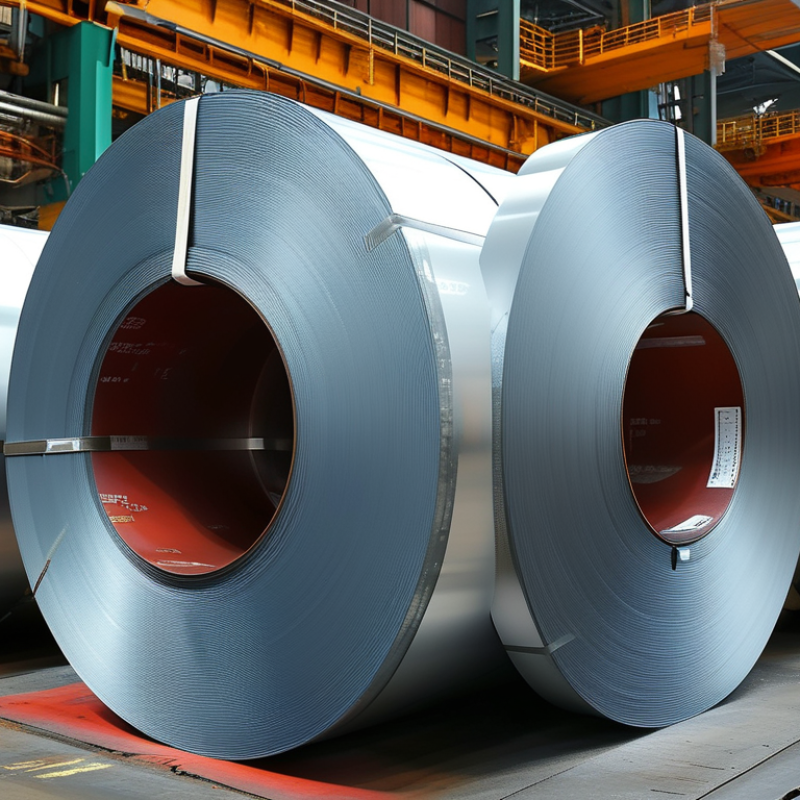
Cold rolled coils are steel products produced by further processing hot rolled steel. They undergo an additional reduction in thickness through cold rolling at room temperature. This process results in a smooth surface finish and tighter tolerances, making them crucial for various applications.
According to a recent industry report from the World Steel Association, the production of cold rolled steel is projected to reach approximately 220 million metric tons by 2025. This growth indicates the rising demand for high-quality steel in sectors such as automotive and construction. Cold rolled coils are valued for their strength, durability, and aesthetic appeal. Many manufacturers prefer these coils for their ability to be formed and shaped into intricate designs.
Tip: When selecting cold rolled coils, pay attention to the thickness and width specifications to ensure optimal performance in your projects.
Not all cold rolled products are created equal. Variations in processing can lead to differences in quality and performance. Some coils may exhibit surface defects or inconsistent thickness, affecting their usability in critical applications. Always verify the technical data sheets provided by suppliers.
Tip: Consider sourcing from reputable suppliers who can provide certifications for their cold rolled coils. This ensures you're getting reliable materials that's crucial for your production processes.
What is Cold Rolled Coils and Why Are They Important?
| Property |
Value |
| Thickness Range |
0.5 mm - 3.0 mm |
| Width Range |
600 mm - 2000 mm |
| Standard Grades |
SPCC, SPCD, SPCE |
| Applications |
Automotive, Appliances, Construction |
| Key Advantages |
Enhanced Surface Finish, Dimensional Accuracy |
| Manufacturing Process |
Cold Rolling |
| Corrosion Resistance |
Lower than Hot Rolled Coils |
The Manufacturing Process of Cold Rolled Coils: Techniques and Equipment
Cold rolled coils are manufactured through a meticulous process that enhances their mechanical properties. This technique starts with hot-rolled steel, which is then cooled at room temperature. The coils are passed through rollers to achieve desired thickness. The reduction in thickness increases the strength and finish of the steel. According to the World Steel Association, cold rolling can reduce thickness by up to 50%. This process forms a more refined surface, improving usability in various applications.
The equipment used in cold rolling is crucial. A modern cold rolling mill often features precision rollers and advanced control systems. These mills ensure consistent thickness and surface quality. Automated systems play a vital role in monitoring performance. Reports indicate that these technologies can improve efficiency by 30%. However, relying too heavily on automation can sometimes lead to unexpected malfunctions. It is essential to balance technology and manual oversight.
Understanding the manufacturing process of cold rolled coils is key for industry professionals. The need for quality materials in construction and manufacturing demands high standards. Failure to meet these standards can lead to structural integrity issues. Continuous improvement and adaptation in techniques are necessary to maintain these standards.
Key Properties of Cold Rolled Coils: Strength, Thickness, and Surface Quality
Cold rolled coils are essential in various industries due to their unique properties. The strength of cold rolled coils is a key factor. According to the American Iron and Steel Institute, cold rolled steel offers tensile strength ranging from 270 MPa to over 700 MPa. This strength makes these coils ideal for applications requiring durability, such as automotive components and industrial machinery.
Thickness is another critical property. Cold rolled coils can be manufactured with precision thicknesses ranging from 0.1 mm to 3.0 mm. This range allows for versatility in different applications. However, achieving consistent thickness can be challenging. Variations may occur during production, affecting the final application.
Surface quality is often a defining characteristic. High-quality cold rolled coils have smooth, shiny surfaces, making them desirable in aesthetics and performance. However, imperfections, such as surface scratches or uneven coatings, can arise. These defects may compromise the material's effectiveness in specific uses. Reports indicate that around 10% of cold rolled products may show surface flaws, highlighting the need for strict quality controls.
Applications of Cold Rolled Coils in Various Industries: A Market Perspective
Cold rolled coils (CRC) are essential in various industries due to their unique properties. These coils, made from steel that is rolled at room temperature, provide enhanced strength and surface finish. Industries ranging from automotive to construction are witnessing increasing demand for CRC. According to a recent report by Market Research Future, the global cold rolled steel market is projected to reach $500 billion by 2025.
In the automotive sector, CRC finds critical use in manufacturing body panels. The smooth surface and superior strength of cold rolled steel meet stringent safety standards. In construction, it is commonly used for structural components and roofing systems. However, as the market grows, concerns about supply chain stability are evident. Manufacturers must adapt to fluctuations in raw material availability and pricing.
Tip: Consider the specific thickness and gauge requirements when choosing cold rolled coils for your projects. Not all applications require the same specifications, and aligning these with industry standards can prevent costly errors.
Another aspect to monitor is the environmental impact. Efforts to reduce emissions in steel production are becoming increasingly significant. Engaging with suppliers who prioritize sustainable practices can benefit both the business and the planet.
The Role of Cold Rolled Coils in Meeting Modern Engineering Standards and Regulations
Cold rolled coils are critical in modern engineering. These materials provide strength and precision. They meet strict standards in various industries, from automotive to construction. The unique properties of cold rolled steel enhance its performance in demanding applications. This results in better durability and efficiency.
Engineers often face challenges when selecting materials. Cold rolled coils offer a balance of weight and strength. Choosing the right thickness can be tricky. A thicker coil may provide more strength, but it also adds weight. Consider the specific needs of your project before making a decision.
Tips: Always check the specifications of your materials. Different projects may require different properties. Consult with experts to ensure you select the right cold rolled coils. They can guide you through the complexities of material selection. Remember, the right choice can streamline your engineering process significantly.
Usage of Cold Rolled Coils in Various Industries