2026 How to Choose the Right Structural Steel for Your Project?
In the world of construction, choosing the right Structural Steel can significantly impact the success of a project. Renowned structural engineer, Dr. Emily Zhang, once said, "The choice of material defines the integrity of the structure." This statement underscores the importance of selecting appropriate steel types that not only meet structural demands but also align with budgetary constraints.
Understanding the various forms of Structural Steel is crucial. Different grades possess unique properties, including tensile strength, yield strength, and corrosion resistance. Each project presents its own challenges and requirements. Therefore, a one-size-fits-all approach is insufficient. For instance, using a lower grade steel for a high-rise building could lead to catastrophic failures. The consequences of such decisions highlight the need for careful consideration.
Choosing Structural Steel is not merely a technical decision. It requires weighing various factors, such as load-bearing capacity and weather exposure. Stakeholders must communicate openly with engineers and architects. This process ensures that every angle has been evaluated. Mistakes in this phase can lead to complications later on. Therefore, thorough research and expert insights are indispensable when making this critical choice.
Understanding Different Types of Structural Steel Available for Projects
When choosing structural steel for a construction project, understanding the different types available is crucial. Common types include carbon steel, alloy steel, and stainless steel. Each type has unique properties that cater to specific project needs. For instance, carbon steel is known for its strength and cost-effectiveness, making it suitable for various applications.
Alloy steel, which includes additional elements, offers enhanced properties such as better corrosion resistance and improved mechanical performance. According to a report by the American Iron and Steel Institute, nearly 70% of the steel used in construction falls into these categories. While these steels are widely used, their suitability may depend on environmental conditions and project specifications.
Stainless steel is another option that provides excellent corrosion resistance. It is ideal for coastal constructions or areas with high moisture levels. However, it comes at a higher cost. Selecting the right type can reflect your project's long-term success and maintenance needs. Ensuring the correct choice can prevent costly adjustments later. Many projects suffer from improper material selection, leading to structural failures or excessive maintenance. This highlights the need for careful consideration and expert consultation before finalizing your choice.
Evaluating Project Requirements: Load, Safety, and Performance Considerations
When evaluating project requirements for structural steel, load capacity is paramount. Understanding the weight and forces your structure will bear is crucial. Engineers must assess both static and dynamic loads. Static loads remain constant, while dynamic loads can change, impacting the stability of the structure. Knowing these factors helps in selecting the appropriate steel grade.
Safety is another critical consideration. The selected steel must meet safety regulations and standards. This involves understanding the material’s tensile strength and ductility. A steel's ability to absorb energy during load fluctuations can determine overall safety. The performance of structural steel under extreme conditions should not be overlooked. This includes temperature variations and environmental factors. Engineers should reflect on potential weaknesses and address them proactively.
Performance assessments also involve the environment. Steel exposed to moisture may corrode if not properly treated. Increased maintenance may be required for exposed structures. Choices for protective coatings or corrosion-resistant alloys should be weighed. Each project is unique, so tailor your choices to specific environmental challenges. Balancing safety, load requirements, and performance can lead to informed decisions in structural steel selection.
Assessing Environmental Factors: Corrosion Resistance and Sustainability Needs
When selecting structural steel, environmental factors play a crucial role. Corrosion resistance is essential for durability and performance. According to a report by the American Institute of Steel Construction, corrosion can lead to significant cost increases, sometimes up to 25% in repair expenses. Understanding the local environment, including humidity and temperature fluctuations, is vital for making informed decisions.
Sustainability needs are also increasingly important. The Global Steel Innovations Forum reported that 70% of steel producers now focus on reducing carbon emissions. This trend reflects a broader industry shift toward greener practices. Choosing materials with recycled content can significantly lower the carbon footprint of a project.
However, challenges exist. Some materials may have reduced strength or be less available in specific regions. Evaluating the long-term environmental impacts while balancing performance and cost can be complex. Proper research and expert advice can help navigate these issues effectively.
2026 How to Choose the Right Structural Steel for Your Project?
This chart presents the corrosion resistance ratings of different types of structural steel. A higher score indicates better resistance to corrosion, which is essential for selecting the right steel for projects with specific environmental concerns.
Cost Considerations: Budgeting for Material Selection and Procurement
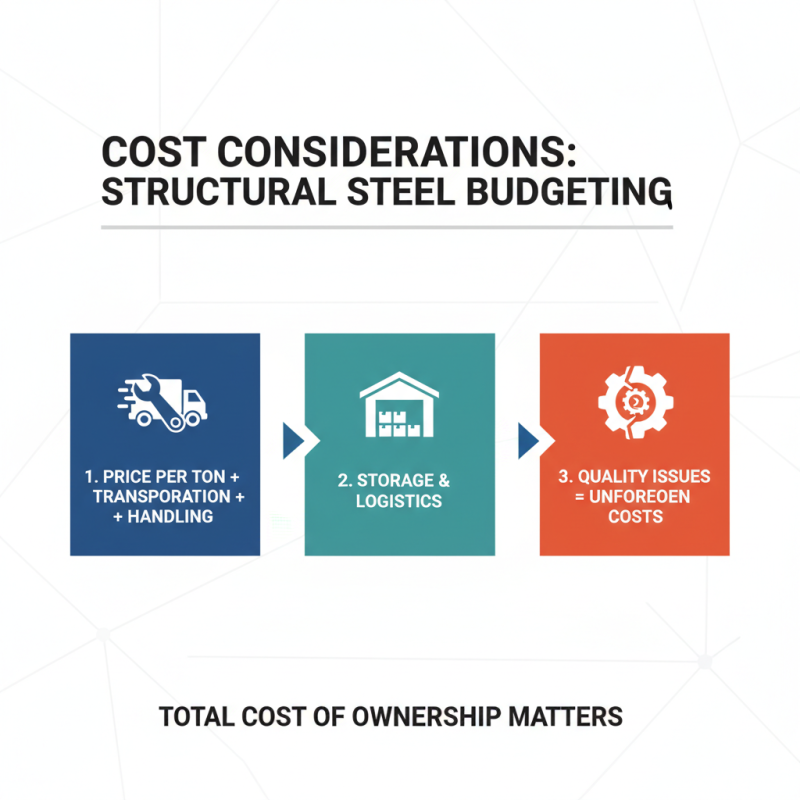
When budgeting for structural steel, cost is not merely about the price per ton. It involves various factors that can impact your overall expenditure. Consider transportation costs, storage, and handling. These can escalate quickly and impact your bottom line. Often, cheaper steel may lead to unforeseen costs later due to quality issues.
Researching suppliers in your region is key. Local vendors may offer better rates because of reduced shipping expenses. However, do not sacrifice quality for savings. Engage with engineers or consultants who specialize in steel selection. They can provide insights into the material's long-term performance and durability, which directly affects your project's lifespan and maintenance costs.
Sometimes, choosing premium steel seems like an unnecessary expense. Yet, what appears to save money now could prove costly later. Reflect on the long-term implications of your choices. The ideal approach involves balancing upfront costs and potential future savings. A thoughtful analysis can lead to more informed decisions and pave the way for a successful project.
Consulting with Experts: Collaborating with Structural Engineers and Fabricators
When embarking on a construction project, selecting the right structural steel is crucial. Collaborating with structural engineers and fabricators can provide invaluable insights. Their expertise helps in understanding the specific needs of your project. They can guide you on the appropriate types of steel, ensuring safety and durability.
During consultations, ask detailed questions about the material characteristics. Inquire about yield strength, ductility, and corrosion resistance. It's essential to understand how these aspects affect your building's longevity. Don’t shy away from discussing design adaptations or challenges. A good fabricator will provide solutions tailored to your project’s requirements.
Trust is key when working with experts. Their experience can reveal potential pitfalls you might overlook. Regular communication can ensure everyone is on the same page. Seek feedback on design choices and material selections. Sometimes, these conversations can lead to improvements in your project’s efficiency and sustainability. Engage actively to make informed decisions.
2026 How to Choose the Right Structural Steel for Your Project?
| Steel Type |
Properties |
Common Applications |
Cost per Ton ($) |
Corrosion Resistance |
| Carbon Steel |
High strength, ductile |
Building frames, bridges |
700 - 900 |
Low |
| Stainless Steel |
High corrosion resistance, durable |
Architectural structures, food industries |
2000 - 3000 |
High |
| Alloy Steel |
Enhanced mechanical properties |
Heavy machinery, automotive |
900 - 1200 |
Medium |
| High Strength Low Alloy (HSLA) |
Superior strength-to-weight ratio |
Construction, pipelines |
800 - 1000 |
Medium |
| Weathering Steel |
Self-protecting rust layer |
Bridges, sculptures |
900 - 1100 |
High |