How to Choose the Best Hot Rolled Steel Coils for Your Needs?
Choosing the best Hot Rolled Steel Coils can feel overwhelming. John Smith, a leading expert in the steel industry, once stated, “Quality starts with understanding your specific needs.” This statement rings true for manufacturers and fabricators. Hot Rolled Steel Coils are used in various applications, from automotive to construction. Therefore, understanding how to select the right coils is crucial.
When considering Hot Rolled Steel Coils, you must evaluate several factors. Material thickness and width are significant. Different projects require different specifications. For instance, a thick coil provides strength but may limit flexibility. A thin coil is easier to work with but may not support heavy loads.
It’s also essential to consider the quality and source of the coils. Not all producers maintain the same standards. Engaging with reputable suppliers ensures reliability. However, price often influences choices. Be cautious, as choosing solely based on cost can backfire. Quality must remain a priority in your decision-making process.
Understanding Hot Rolled Steel Coils and Their Applications
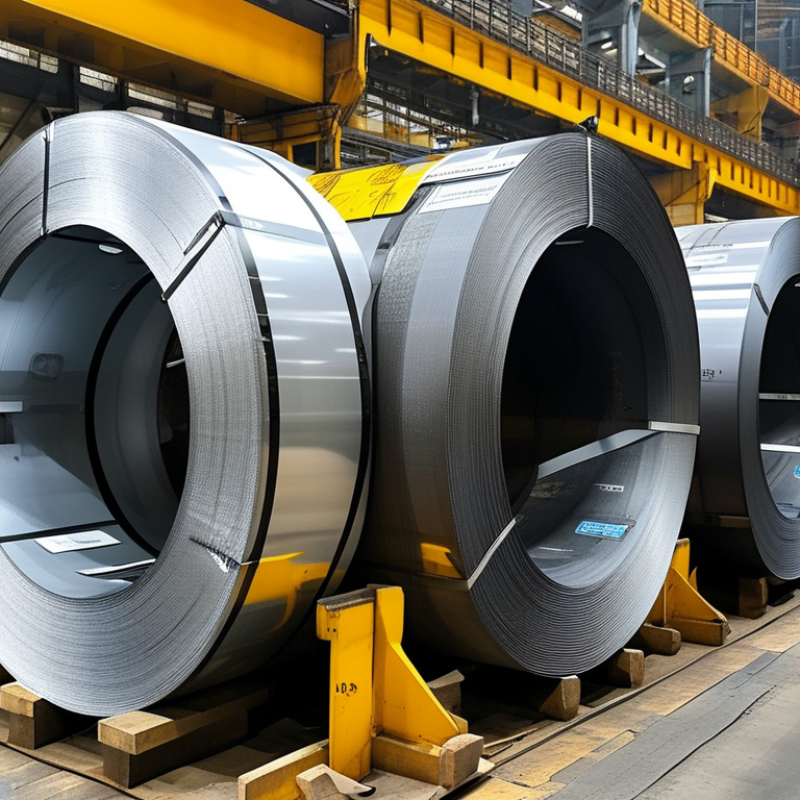
Hot rolled steel coils are a crucial material in various industries, including construction and manufacturing. They are produced through a process that involves rolling the steel at high temperatures. This method helps improve the steel's ductility and workability, making it easier to shape for different applications like beams, plates, and automotive components. According to the World Steel Association, the global production of hot rolled steel exceeded 1.5 billion metric tons in 2022, indicating strong demand and widespread use.
When choosing hot rolled steel coils, consider your specific needs. Factors like thickness, width, and yield strength are vital. For example, construction projects often require thicker gauges for structural integrity, while automotive parts may need precise thickness for better fit and performance. It's essential to consult with industry experts or technical publications to understand which specifications best suit your application.
Tips: Always verify the material's certifications. Look for compliance with relevant standards. Quality assurance can impact safety and longevity. Remember, not all suppliers provide the same quality. Research and compare different options to make informed decisions. Making the right choice can enhance your project’s overall outcome and efficiency.
Key Factors to Consider When Selecting Hot Rolled Steel Coils
When selecting hot rolled steel coils, several key factors significantly impact your decision. First, consider the steel's grade and chemical composition. Different grades offer varying mechanical properties. According to recent industry reports, structural steel grades like S235 and S355 are commonly used for construction due to their strength and weldability.
The thickness of the coils matters as well. Hot rolled steel coils can range from 1.5 mm to over 25 mm thick. Thicker coils may offer more strength but can be harder to work with. Assess your specific application needs to determine the appropriate thickness. Environmental factors also play a role. Exposure to moisture can lead to corrosion, so consider purchasing coils with protective coatings.
**Tip:** Always verify the supplier's certifications. Quality assurance is critical in the steel industry. Look for certifications like ISO 9001, which indicate adherence to strict quality standards.
Another important aspect is the coil width. Different projects may require various widths, affecting your material usage and cost. Processing, such as cutting or forming, can influence how you pay for the coils. Analyze your end-use requirements carefully.
**Tip:** Examine test reports or mill certifications before purchasing. These documents provide insight into the steel's properties and performance.
Being informed about these factors allows for a more strategic selection of hot rolled steel coils that align with your project's demands.
Comparison of Hot Rolled Steel Coil Properties
Comparing Grades and Specifications of Hot Rolled Steel Coils
When choosing hot rolled steel coils, understanding grades and specifications is vital. Different grades support various applications. For instance, structural steels are common in construction, while higher carbon steels offer better strength properties. According to industry reports, the ASTM A36 grade is widely recognized for its versatility. It features a yield strength of 36 ksi, suitable for many structural applications.
It's crucial to consider the specifications of the steel coils. Look at thickness, width, and coil weight. Thickness typically ranges from 1/8 to 1 inch. Coils may vary in width from 24 to 72 inches. Pay attention to the coil's end use, as automotive and fabrication sectors require specific standards.
For automotive applications, the ASTM A1011 specification emphasizes surface quality and mechanical properties.
Tips: Always verify the mill test reports for compliance with chosen standards. Don't overlook the importance of surface finish; a smooth finish ensures better dyeing and coating. Moreover, consult industry experts when making decisions. Their insights can help you avoid costly mistakes. Understanding the specifications not only ensures quality but also enhances efficiency in your projects.
Evaluating Supplier Reliability and Product Quality
When choosing hot rolled steel coils, evaluating supplier reliability and product quality is crucial. Reliable suppliers often have long-term industry experience. This experience translates into better understanding of steel properties and production techniques. Check their history for timely deliveries and consistent product quality. Look for testimonials or case studies that highlight their strengths.
Product quality can be assessed through certifications and testing methods. A good supplier should provide material certifications, indicating compliance with industry standards. Inquire about their quality control processes. Sometimes, suppliers might have quality control issues that they do not readily acknowledge. It is worth asking for samples to evaluate the product firsthand.
It's essential to consider the supplier's responsiveness. A reliable supplier should address questions and concerns promptly. Communication reflects their overall service quality. Reflect on your past experiences with suppliers. Did they meet your expectations? Use this insight to guide your choice. Trust your instincts while gathering more information to avoid potential pitfalls.
Cost Considerations in Purchasing Hot Rolled Steel Coils
When considering the purchase of hot rolled steel coils, cost is a crucial factor. Prices can vary significantly based on several elements. Market conditions, coil thickness, and dimensions all influence the final cost. Understanding these factors can help you make an informed choice.
Tips for managing costs include comparing prices from multiple suppliers. Don't hesitate to request quotes and negotiate terms. Bulk purchases often yield discounts, so assess your needs carefully. Established suppliers may offer better raw material sourcing, leading to competitive pricing.
Consider the long-term implications of your choice. Cheaper coils may save money initially, but they can lead to more issues down the line. Inferior quality can result in wasted time and resources. Always balance cost with the quality and suitability for your specific application. Remember, investing wisely in the right materials upfront can minimize risks and enhance project outcomes.