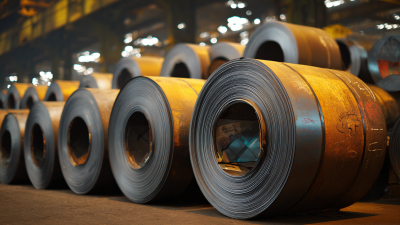
Why Choose Carbon Steel Coil for Your Manufacturing Needs?
In the realm of manufacturing, the choice of materials significantly impacts the final product. One standout option is Carbon Steel Coil. Experts agree on its advantages. John Smith, a leading metallurgist, claims, "Carbon Steel Coil offers unmatched strength and versatility for various applications."
This high-performance material is widely used in construction and automotive sectors. Its durability allows products to withstand harsh conditions. The consistent properties of Carbon Steel Coil make it a reliable choice. Manufacturers often face dilemmas about material selection. But, Carbon Steel Coil simplifies decision-making with its proven track record.
New manufacturers might overlook its potential. However, understanding its benefits can lead to better product outcomes. As industries evolve, so do the demands for superior materials. Carbon Steel Coil provides the solution for these challenges, fostering innovation in manufacturing.
Understanding Carbon Steel Coil: Composition and Properties
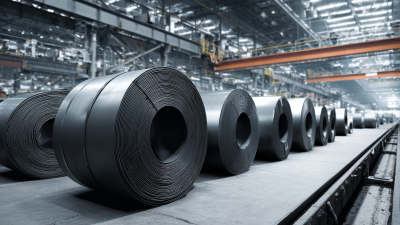
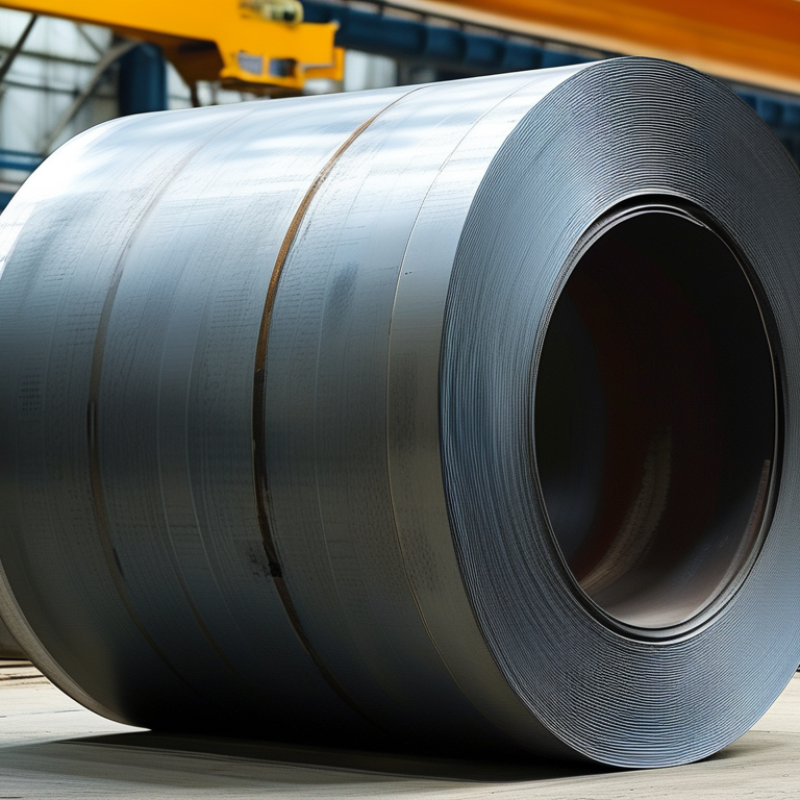
Carbon steel coil is an essential material in manufacturing. It is composed primarily of iron and carbon, with varying amounts of other elements. The properties of carbon steel coils make them suitable for various applications. They exhibit good tensile strength, flexibility, and excellent weldability. The balance of carbon content determines the hardness and toughness of the steel. Generally, higher carbon percentages yield stronger products, but they can be less ductile.
When selecting a carbon steel coil, consider your project needs. Evaluate factors such as corrosion resistance and weight. Different grades of carbon steel offer distinct advantages. For instance, low carbon steel is malleable, ideal for forming and welding. In contrast, high carbon steel provides exceptional strength but can be more challenging to work with. Assessing these characteristics can help you make informed choices.
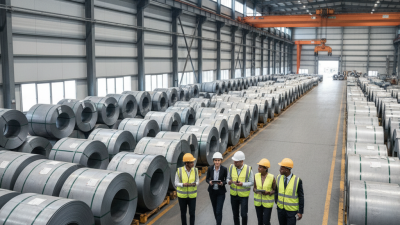
Tips for working with carbon steel coil: Always wear protective gear to prevent injuries during handling. Choose the appropriate cutting tools for your thickness requirements. Keep in mind that working with higher carbon content can lead to brittleness. Regular maintenance of your equipment will enhance its lifespan. Understanding these nuances ensures success in your manufacturing processes.
Benefits of Using Carbon Steel Coil in Manufacturing Processes
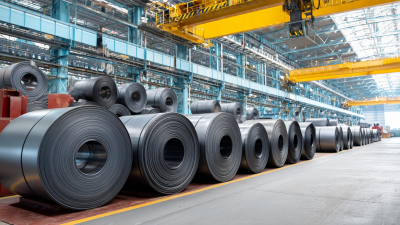
Carbon steel coil offers several distinct advantages in manufacturing processes. Its strength and durability make it ideal for a variety of applications. The material can withstand heavy loads and harsh environments. This feature is particularly beneficial in construction and automotive industries. Manufacturers appreciate how carbon steel maintains its integrity over time.
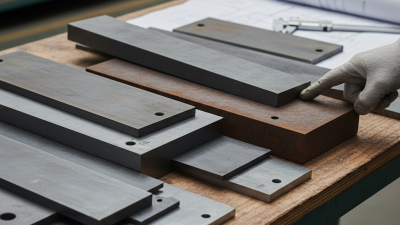
Another key benefit is its versatility. Carbon steel can be easily shaped and formed into different products. From sheets to tubes, the possibilities are vast. This adaptability allows manufacturers to innovate and create customized solutions. Moreover, carbon steel coils can be welded and machined with relative ease. This simplifies production processes while enhancing the quality of the final products.
Cost-effectiveness is another compelling reason to choose carbon steel coil. It typically costs less than stainless steel or aluminum, making it a budget-friendly option. However, its susceptibility to corrosion is a consideration. The application of proper coatings can mitigate this issue. Choosing carbon steel coil means weighing initial costs against long-term performance. Ultimately, the decision should align with project requirements and environmental conditions.
Applications of Carbon Steel Coil Across Different Industries
Carbon steel coil has versatile applications in various industries. In construction, it’s favored for its strength and durability. Builders use it for beams, rebar, and structural components. Projects often rely on carbon steel coil for its cost-effectiveness. The material can withstand harsh conditions, making it suitable for both residential and commercial buildings.
The automotive industry also benefits from carbon steel coil. Manufacturers use it to create parts like frames and body panels. The material's malleability allows for easy shaping and forming. In this sector, precision is key. Engineers often find themselves tackling challenges related to weight and safety, pushing for innovative solutions.
In the energy sector, carbon steel coil plays a critical role. It is used in pipelines and storage tanks. The need for reliable materials is paramount here. Engineers face issues like corrosion and pressure. They continuously seek ways to enhance the integrity of their designs. Understanding these challenges can lead to better solutions in future projects.
Comparing Carbon Steel Coil with Other Materials for Manufacturing
When it comes to manufacturing, the choice of materials is critical. Carbon steel coil is often compared to other metal materials, such as stainless steel and aluminum. While stainless steel offers corrosion resistance, it comes at a higher cost. Aluminum is lightweight, but it lacks the strength that carbon steel provides. This makes carbon steel coil a practical choice for various applications, especially where strength and durability are essential.
Carbon steel coil is known for its flexibility in manufacturing processes. It can be easily shaped and resized to meet specific project needs. This adaptability allows manufacturers to create complex designs without sacrificing material integrity. However, the reliance on carbon steel does come with trade-offs. It is more prone to rusting compared to stainless steel. Proper treatment and maintenance are crucial for longevity, which can add to manufacturing costs over time.
Moreover, the environmental impact of carbon steel production cannot be ignored. The process involves significant energy consumption and emissions. This raises questions about sustainability in the long run. Manufacturers must weigh the benefits against ecological concerns. Ultimately, the choice of material should align with both operational goals and environmental responsibilities.
Sustainability and Cost-Effectiveness of Carbon Steel Coil Solutions
Carbon steel coil is gaining attention for its sustainable attributes and cost-effectiveness. According to industry reports, carbon steel is 100% recyclable, significantly reducing waste and promoting a circular economy. This property makes it a preferred choice for manufacturers who prioritize environmental responsibility. With the steel industry accounting for about 7% of global CO2 emissions, choosing carbon steel can help lower overall environmental impact.
Financially, carbon steel coil offers a competitive edge. The production cost for carbon steel is generally lower compared to other materials, with reports indicating a 15-20% savings when used in manufacturing. This cost efficiency is vital for businesses looking to optimize budgets without compromising on quality. Moreover, the durability of carbon steel extends product lifespan, leading to reduced long-term expenses.
Tip: When selecting carbon steel coils, consider the production source. Opt for suppliers with sustainable practices to ensure your materials are environmentally friendly. Evaluate your specific manufacturing needs to determine the best gauge and tensile strength, which can impact the final product's performance. Remember, sustainability and cost-effectiveness are achievable together in carbon steel solutions.
Why Choose Carbon Steel Coil for Your Manufacturing Needs?
The chart above illustrates the key benefits of choosing carbon steel coil for manufacturing. The high scores indicate strong sustainability and cost-effectiveness, making carbon steel an excellent choice for various applications.