2026 Best Steel Pipe Options for Your Construction Needs?
In the ever-evolving construction industry, choosing the right materials is crucial. Steel pipes have become a staple due to their durability and strength. Experts, such as John Thompson, a renowned civil engineer, emphasize their importance. He once stated, “Quality Steel Pipe can make or break your project’s success.”
In 2026, construction needs have shifted. With the rise of sustainable practices, selecting the best steel pipe options is more critical than ever. This decision impacts not only structural integrity but also financial efficiency. For many projects, opting for the highest quality steel pipe ensures longer lifespans and minimizes maintenance costs.
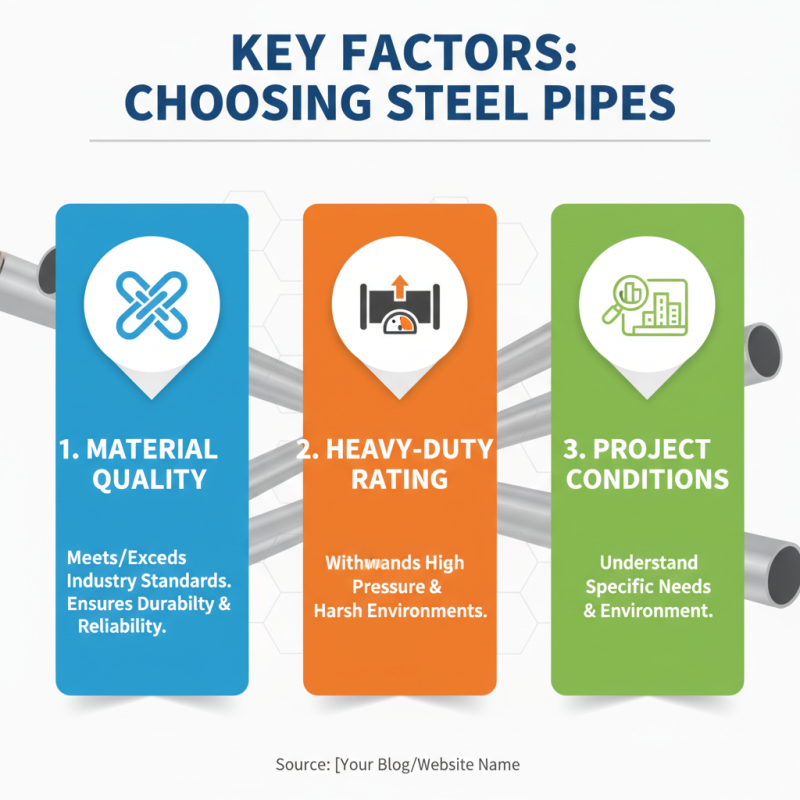
However, not all steel pipes are created equal. Some options may look appealing but might not meet necessary standards. This inconsistency can lead to construction delays and increased expenses. It’s essential to assess the specific needs of your project while considering the available steel pipe choices. Understanding these factors can greatly influence your overall construction success.
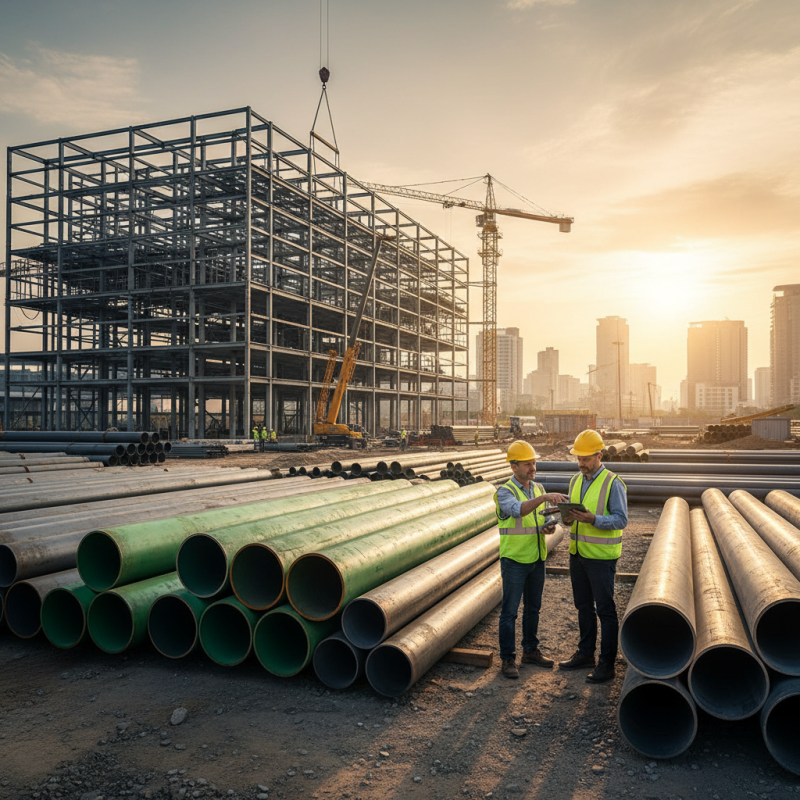
Understanding the Types of Steel Pipes for Construction Projects
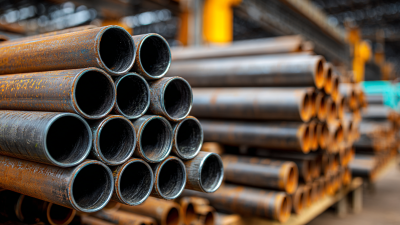
When selecting steel pipes for construction, understanding the types available is crucial. Carbon steel pipes are common in construction for their strength and affordability. They are suitable for various structural applications. Their durability makes them a favorite among builders. However, they can corrode over time if not properly protected.
Alloy steel pipes offer enhanced performance in specific conditions. They resist high temperature and pressure changes. This makes them ideal for industrial applications. Yet, they can be more expensive and may require specialized fittings. Proper knowledge of these distinctions can help in decision-making.
Stainless steel pipes are highly resistant to corrosion. Their shiny finish adds aesthetic value to buildings. However, they are more costly than other options. Builders should weigh the benefits against the budget for each project. Careful consideration of the pipe type based on usage can prevent future issues. This is a key area where many projects falter.
Top Brands and Manufacturers of Steel Pipes for Construction
When selecting steel pipes for construction, it's crucial to know the top brands and manufacturers in the industry. According to recent industry reports, the global steel pipe market was valued at approximately $90 billion in 2022. This market is expected to grow at a compound annual growth rate (CAGR) of about 5% through 2026. Such growth indicates the increasing demand for durable and reliable materials in construction.
Many manufacturers focus on specialized production methods and stringent quality control. The top producers often utilize advanced techniques, ensuring their products meet international standards. You can find that these companies have invested in innovative technologies. However, despite advancements, some pipes may still encounter issues. Variations in thickness and potential defects mean careful inspection is vital before use.
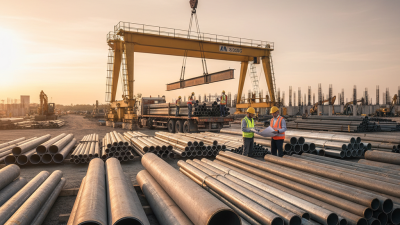
Steel pipes are widely utilized across various construction applications. They are essential in infrastructure, plumbing, and more, providing strength and longevity. The right choice can improve project efficiency significantly. Yet, it is essential to challenge the idea that all steel pipes offer the same quality. Disparities exist, and understanding these differences is critical for any construction project.
2026 Best Steel Pipe Options for Your Construction Needs
This chart displays the diameter options for various types of steel pipes suitable for construction needs in 2026. Each type has different diameter specifications which are crucial for selecting the right material for your project.
Comparative Analysis: Steel Pipe Grades and Their Applications
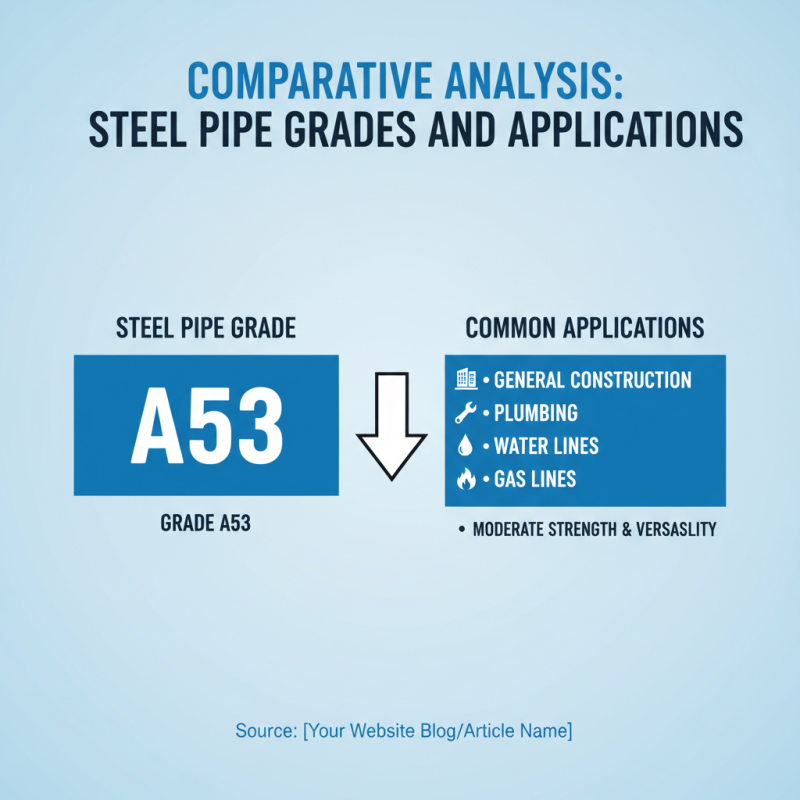
When selecting steel pipes for construction, understanding different grades is essential. Each grade offers unique properties tailored to specific applications. For instance, Grade A53 is often used in general construction and plumbing. It has moderate strength and works well in water and gas lines. Its versatility makes it a common choice among builders.
In contrast, Grade A106 is preferred for high-temperature applications. It can withstand elevated pressures, making it ideal for power plants and industrial uses. Knowing the specifications of each grade helps in making informed decisions. Choosing the wrong grade can lead to failures or increased costs. Attention to detail is critical.
Further complicating the choice are variations in wall thickness, finish, and coating. For instance, galvanized pipes resist corrosion and extend lifespan. However, they may require additional maintenance checks. Reflecting on the strength and weaknesses of each option ensures reliability. Balancing performance, cost, and safety can be challenging but necessary in construction projects.
Best Practices for Installing and Maintaining Steel Pipes in Construction
When it comes to installing and maintaining steel pipes in construction, understanding best practices is crucial. Studies indicate that improper installation can lead to a 30% increase in maintenance costs over a project’s lifespan. Ensuring that pipes are correctly aligned and securely fastened reduces the risk of leaks and structural failures. This not only enhances safety but also prolongs the life of the installation.
Regular inspections are essential in maintaining steel pipes. Experts recommend conducting assessments at least twice a year. These checks involve looking for signs of corrosion, wear, and joint integrity. In fact, corrosion can weaken pipes by up to 50% if not addressed promptly. Moreover, using protective coatings can extend a pipe’s lifespan significantly, often doubling it under the right conditions. However, improper maintenance methods can sometimes worsen the situation, leading to additional issues.
Training workers on proper handling and installation techniques cannot be overlooked. Research shows that projects with well-trained personnel experience 25% fewer incidents related to pipe failures. A focus on continual learning and adaptation within the team can mitigate risks. An organized checklist for installation and routine inspections ensures that nothing is overlooked.
2026 Best Steel Pipe Options for Your Construction Needs
| Pipe Type |
Diameter (inches) |
Wall Thickness (mm) |
Material Grade |
Installation Method |
Maintenance Tips |
| Carbon Steel Pipe |
6 |
5 |
ASTM A53 |
Welding |
Regular inspections for rust; apply protective coatings. |
| Galvanized Steel Pipe |
4 |
3 |
Zinc Coated |
Threaded Connections |
Keep away from damp areas; consider re-coating after wear. |
| Stainless Steel Pipe |
2 |
2 |
304L |
Butt-Welding |
Clean regularly; use descaling agents to maintain finish. |
| Black Steel Pipe |
8 |
10 |
ASTM A106 |
Seamless |
Inspect joints; apply grease to joints to prevent corrosion. |