Best Square Pipe Options for 2026 What Should Global Buyers Consider
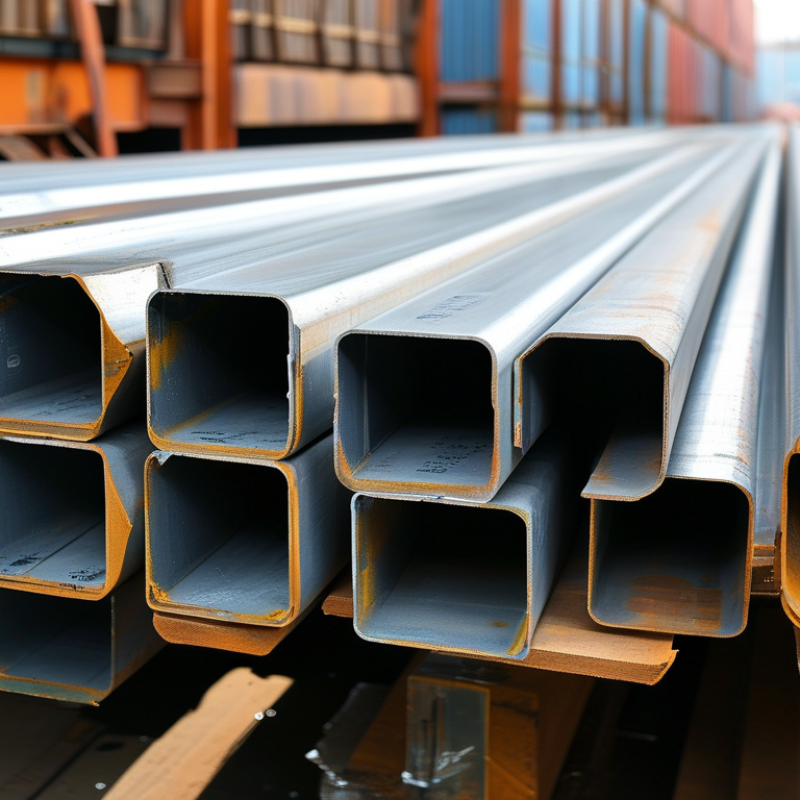
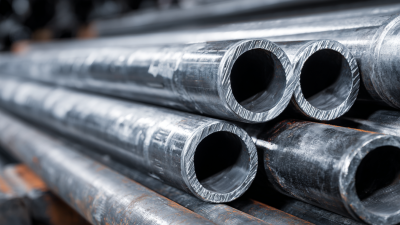
As the demand for Square Pipe increases globally, buyers face unique challenges. Understanding these options is essential for making informed decisions. Square Pipe shapes are integral to various industries, from construction to manufacturing.
Buyers should consider factors like material strength, durability, and cost-effectiveness. A well-chosen Square Pipe can significantly impact project quality and safety. Global sourcing also presents its challenges, such as varying regulations across countries.
Additionally, buyers need to reflect on the environmental implications of their choices. Opting for sustainable materials could enhance corporate responsibility. Ultimately, the quest for the best Square Pipe requires careful consideration and engagement with suppliers. This decision can lead to both success and setbacks in future projects.
Best Square Pipe Materials for Various Applications in 2026
When selecting square pipe materials in 2026, it’s crucial to consider the specific application. Different industries have unique requirements. For construction, steel remains a popular choice due to its strength and durability. It offers excellent load-bearing capabilities. However, it may not be ideal for all environments. Corrosion-resistant options are vital in coastal regions.
Aluminum is gaining traction in automotive and manufacturing sectors. It is lightweight and resistant to rust. Yet, it can be less robust than steel under heavy loads. Buyers should weigh these factors carefully. Additionally, plastic square pipes serve well in plumbing and irrigation systems. They are lightweight and easy to install but may not withstand high pressure.
The choice of material can impact long-term maintenance and costs. Steel requires regular maintenance to prevent rust. Aluminum is low-maintenance but may deform under extreme stress. Plastic pipes can degrade with UV exposure. Therefore, understanding the application context is essential. Each material offers benefits and drawbacks. Buyers must align their choices with project needs for optimal results.
Key Factors to Consider When Selecting Square Pipes for Global Markets
When selecting square pipes for global markets in 2026, buyers must prioritize several key factors. Material quality is essential. Steel, aluminum, and plastic all have unique properties. Steel offers strength, while aluminum is lightweight. Plastic is resistant to corrosion, but may not withstand heavy loads. Evaluating these materials ensures the right choice for specific applications.
Another important consideration is the pipe's dimensions. Buyers need to assess the required wall thickness and size. This will impact structural integrity and usability. Custom options may be available, but they often come with longer lead times. Additionally, understanding production techniques is vital. Different methods may influence cost and quality.
Lastly, buyers should analyze certification and standards. Compliance with industry regulations ensures safety and reliability. Look for relevant certifications during the purchase process. Some manufacturers may have a strong reputation, but not all meet the necessary standards. A comprehensive approach to selection can help mitigate risks in the global market.
Best Square Pipe Options for 2026
| Material |
Size (mm) |
Weight (kg/m) |
Strength (MPa) |
Cost (USD/m) |
Corrosion Resistance |
| Carbon Steel |
50 x 50 |
3.1 |
250 |
15 |
Moderate |
| Stainless Steel |
40 x 40 |
2.5 |
520 |
25 |
High |
| Aluminum |
30 x 30 |
1.8 |
300 |
20 |
Moderate |
| Galvanized Steel |
60 x 60 |
4.2 |
350 |
18 |
Very High |
Trends in Square Pipe Manufacturing Technologies for 2026
As we look toward 2026, the square pipe manufacturing sector is experiencing significant shifts. Emerging manufacturing technologies are reshaping the landscape. These advancements focus on improving efficiency and reducing waste. According to a report by MarketsandMarkets, the smart manufacturing market is expected to reach $505 billion by 2025. This growth will impact how square pipes are produced.
One notable trend is the adoption of automation and robotics. Automated systems can streamline production processes. They minimize human error and enhance consistency in product quality. However, integration challenges may arise. Companies must consider training staff to adapt to new technologies.
Tips: When exploring square pipe options, prioritize suppliers who invest in technology. Look for those who demonstrate a commitment to sustainable practices. Additionally, regularly evaluate suppliers' certifications to ensure compliance with industry standards.
Another key trend is the shift towards greener manufacturing practices. Reports indicate a growing demand for environmentally friendly materials. Companies are looking to reduce their carbon footprint. Yet, switching to eco-friendly options may increase initial costs. This is a complex issue that warrants careful consideration.
Tips: Assess the long-term savings of green materials. Compare the durability of various options. This may offset higher upfront costs. Always seek data-backed solutions for comprehensive evaluations.
Cost Analysis of Square Pipe Options: Budgeting for Buyers
When considering square pipe options for 2026, cost analysis is essential for global buyers. Square pipes serve various purposes in construction and manufacturing. Many factors affect pricing, from raw material costs to manufacturing processes. Understanding these variations helps buyers budget accurately.
Buyers should focus on material quality. Steel and aluminum are common choices, each with unique cost implications. For instance, while aluminum is lighter, steel typically offers greater durability. Market trends can cause price fluctuations. Staying informed about these trends can safeguard against budget overruns. Supply chain issues, such as shortages or delays, can also impact costs significantly.
Moreover, buyers should evaluate the total lifecycle cost. This includes installation, maintenance, and recycling options. Choosing a more expensive pipe could save money in the long run if it requires less maintenance. It’s also wise to consider local suppliers. Local purchases often reduce shipping costs. These insights can enhance decision-making, but some unpredictability remains. Market changes can upset even the best plans. Careful consideration and preparation are crucial for navigating these challenges.
Cost Analysis of Square Pipe Options for 2026
This chart presents a cost comparison of different square pipe options for global buyers in 2026. The data highlights the average price per ton of various materials, helping buyers budget effectively.
Sustainability Considerations in Square Pipe Selection for Buyers
When choosing square pipes in 2026, sustainability should be a key factor for global buyers. The shift towards eco-friendly materials is not just a trend; it’s a necessity. Buyers need to consider the environmental impact of their choices. This involves evaluating the lifecycle of square pipes, from production to disposal.
Selecting recycled materials can significantly reduce carbon footprints. The availability of certified materials is growing, but not all options are equal. Some suppliers may not verify their sustainability claims. Conducting thorough research can help identify reliable sources. Additionally, the manufacturing process impacts sustainability. Buyers should inquire about energy use and waste management practices associated with square pipe production.
Think about the balance between quality and sustainability. Sometimes, there may be compromises. Higher-priced sustainable options might raise initial costs but lead to long-term savings. Reflecting on these trade-offs is vital. Ultimately, making informed decisions will benefit both the environment and future generations.