Best Galvanized Plate Options for Global Buyers?
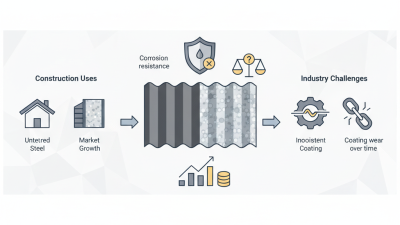
In recent years, the demand for Galvanized Plates has surged due to their corrosion resistance and durability. A report by Grand View Research indicates that the global market for galvanized products is projected to reach $175 billion by 2026. This growth reflects their essential role in construction, automotive, and manufacturing sectors.
Selecting the best Galvanized Plate requires understanding specific industry needs. Different applications may necessitate varying thicknesses and coatings. A study by MarketsandMarkets reveals that construction accounts for over 45% of galvanized steel usage. This sector demands high-quality plates that meet stringent safety standards.
Nevertheless, navigating the vast options can be challenging. Not all suppliers provide reliable products or fair pricing. Buyers must conduct thorough research to find trustworthy manufacturers. Details like zinc coating weight and plate specifications are crucial. A proper choice can significantly impact performance and longevity. In this evolving market, informed decisions are vital for maximizing investment value.
Best Galvanized Plate Options for Global Buyers
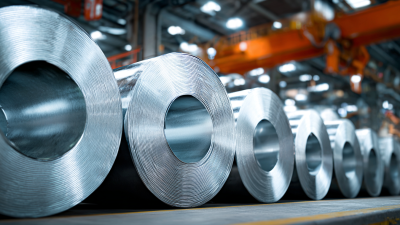
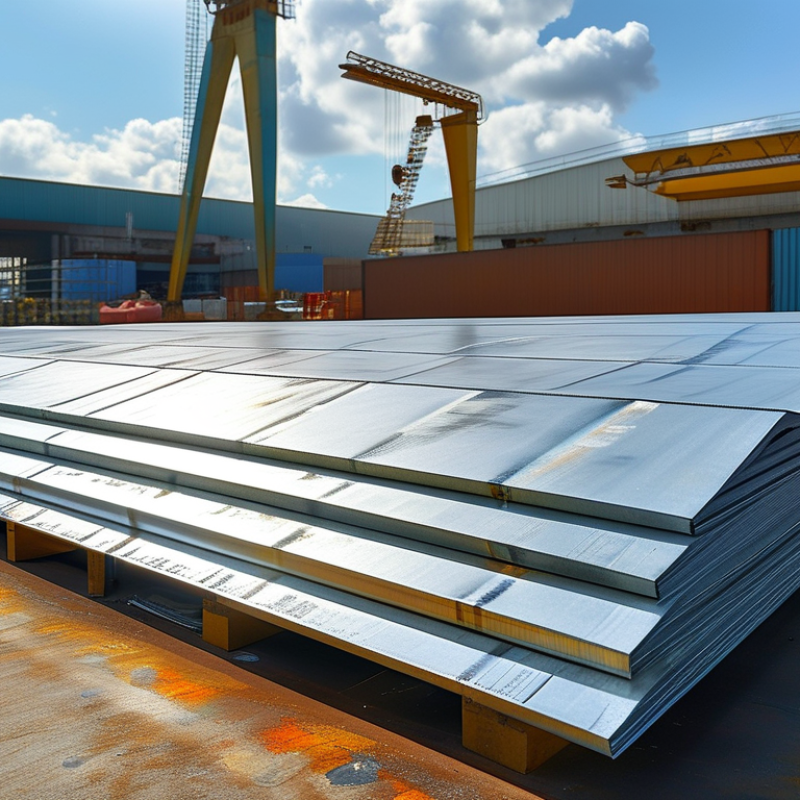
When selecting galvanized plates, global buyers face various options tailored to diverse needs. Galvanized plates are steel sheets coated with zinc. This coating enhances corrosion resistance, making them ideal for construction and industrial applications. Buyers should consider the thickness of the plates. Thicker plates tend to offer better durability but can be more challenging to work with.
Quality and source are critical. A reputable supplier will provide reliable products. Certifications can indicate quality standards and manufacturing processes. Various regions have distinct standards for galvanized plates. Understanding these differences can help buyers make informed decisions. Additionally, pricing varies significantly. Some regions offer competitive rates, while others may present higher costs due to local regulations.
Buyers must also reflect on their specific requirements. Are they looking for aesthetic appeal or maximum strength? Some projects may prioritize one over the other. Awareness of these factors can lead to better decision-making. Although options abound, careful consideration of each element ensures satisfaction with the final product. This nuanced approach helps avoid common pitfalls in purchasing galvanized plates.
Best Galvanized Plate Options for Global Buyers
This bar chart illustrates the production of galvanized plates in different countries. It highlights the top producers in the industry, providing insights for global buyers on where to source their materials.
Overview of Galvanization Processes and Their Benefits
Galvanization is a process that coats steel or iron with zinc. This technique enhances the metal's resistance to corrosion. It creates a protective barrier, preventing rust from developing. Galvanized plates are essential in various industries, including construction and automotive. Understanding this process helps global buyers select the best options.
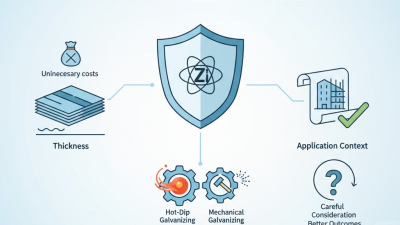
When choosing galvanized plates, consider the method of galvanization. Hot-dip galvanization results in a thicker coating, providing stronger protection. Electro-galvanization, however, offers a smoother finish. Each method has its benefits depending on the application. Think about the final use of the plates. This will guide your choice.
Tip: Always check the zinc coating thickness. It affects durability and performance. Different environments require different standards.
The quality of galvanized plates can vary. Inconsistent coatings can compromise performance. Buyers should seek reliable suppliers who provide transparent information. Ask for test results or certifications. This can help ensure that you are getting a quality product. Make well-informed decisions, and don't hesitate to request additional details.
Key Factors to Consider When Selecting Galvanized Plates
Selecting the right galvanized plates involves several key factors. Buyers should consider the plate thickness, which impacts durability and application. Thicker plates tend to hold up better under stress. They also provide better corrosion resistance, a crucial element for outdoor use.
Another important factor is the zinc coating weight. A higher coating weight offers enhanced protection against rust. It is essential to match the coating specifications with the environmental conditions the plates will face. This decision can significantly affect the lifespan of the material.
Buyers must also assess the intended use of the galvanized plates. Different applications may require unique specifications. For instance, industrial applications might demand higher strength and resistance standards compared to non-structural uses. This assessment can help avoid potential failures in the future. Understanding these elements is vital for achieving the best performance from galvanized plates.
Top Global Suppliers and Manufacturers of Galvanized Plates
The global market for galvanized plates is growing steadily. According to a recent industry report, the demand for galvanized steel products is expected to increase by 5% annually over the next five years. This growth is driven by rising construction activities and infrastructure development worldwide. Key regions like Asia-Pacific and North America are leading this expansion.
Top suppliers and manufacturers are stepping up to meet this demand. Many companies are investing in advanced technologies to enhance their production capabilities. For instance, modern galvanizing techniques improve the durability of coated plates, ensuring longer service life. This is particularly important in industries such as automotive and construction, where quality and resilience are critical.
However, challenges persist. The fluctuation of raw material prices can affect the overall cost and availability of galvanized plates. Additionally, supply chain disruptions have been a concern due to global events. Manufacturers need to reflect on these issues to develop strategies for sustainable growth. Balancing quality with cost-efficiency remains a significant hurdle for many in the industry.
Best Galvanized Plate Options for Global Buyers
| Supplier Country |
Plate Thickness (mm) |
Plate Width (mm) |
Plate Length (mm) |
Minimum Order Quantity |
Export Rate (%) |
| China |
1.5 |
1200 |
2400 |
500 |
80 |
| India |
2.0 |
1000 |
3000 |
1000 |
75 |
| Germany |
1.0 |
1250 |
2500 |
300 |
85 |
| USA |
2.5 |
1500 |
2000 |
400 |
90 |
| Brazil |
1.8 |
1100 |
2700 |
600 |
70 |
Market Trends and Pricing Analysis for Galvanized Steel Products
The global galvanized steel market is experiencing significant shifts. As per the latest industry report by the World Steel Association, global production of galvanized steel has increased by 3% in the last year, driven primarily by rising construction demands. In particular, the Asia-Pacific region is a dominant player, accounting for nearly 60% of the market share. The surging demand is evident in infrastructure projects and industrial growth.
Pricing trends are equally interesting. In 2023, the average price of galvanized steel increased by approximately 5%, moving closer to $1,250 per ton. Factors influencing these prices include fluctuating raw material costs and supply chain disruptions. For instance, zinc prices have seen a rise due to mining limitations and increased global demand. Buyers are advised to carefully consider these aspects before making purchasing decisions.
While the outlook appears positive, there are challenges. Many manufacturers face quality inconsistencies and production delays. Moreover, geopolitical tensions may affect trade dynamics. Buyers should stay informed about these potential impacts to make better procurement choices. Engaging with reliable industry sources can help navigate these complexities. Seeking expert insights can also guide strategies for sourcing high-quality galvanized plates amidst evolving market conditions.
Conclusion
The article "Best Galvanized Plate Options for Global Buyers" provides a comprehensive overview of galvanized plates, highlighting the various processes of galvanization and their benefits, such as enhanced durability and corrosion resistance. Key factors for selection are discussed, including thickness, coating type, and application environment, which are crucial for ensuring the longevity and effectiveness of galvanized plates in various industries.
Additionally, the article examines top global suppliers and manufacturers, alongside current market trends and pricing analysis for galvanized steel products. It concludes by exploring the diverse applications of galvanized plates across numerous sectors worldwide, underlining their importance in construction, automotive, and manufacturing industries. Overall, this article serves as a valuable resource for global buyers seeking the best galvanized plate options to meet their specific needs.