2026 Best Color Coated Coil Options for Global Buyers?
In recent years, the demand for Color Coated Coil has surged globally, driven by advancements in technology and design. According to a report by Global Market Insights, the color coated steel market is anticipated to reach USD 88 billion by 2026, growing at a CAGR of over 5.5%. This growth reflects the material's versatility and aesthetic appeal in construction, automotive, and appliance industries.
Color Coated Coil allows for innovative applications while ensuring durability. The variety of colors and finishes available has opened new avenues for product differentiation. However, sourcing high-quality coils remains a challenge. Buyers often struggle to identify reliable suppliers amidst a crowded market. This can lead to unexpected costs and delays, which undermine project timelines.
Navigating this landscape requires expertise and careful consideration. Buyers should evaluate supplier certifications, production capabilities, and customer reviews to make informed decisions. Engaging with industry professionals and attending trade shows is vital for staying updated on trends. The right Color Coated Coil can enhance design and functionality, but vigilant research is crucial in a competitive environment.
Overview of Color Coated Coils and Their Global Applications
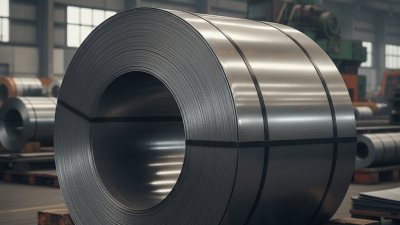
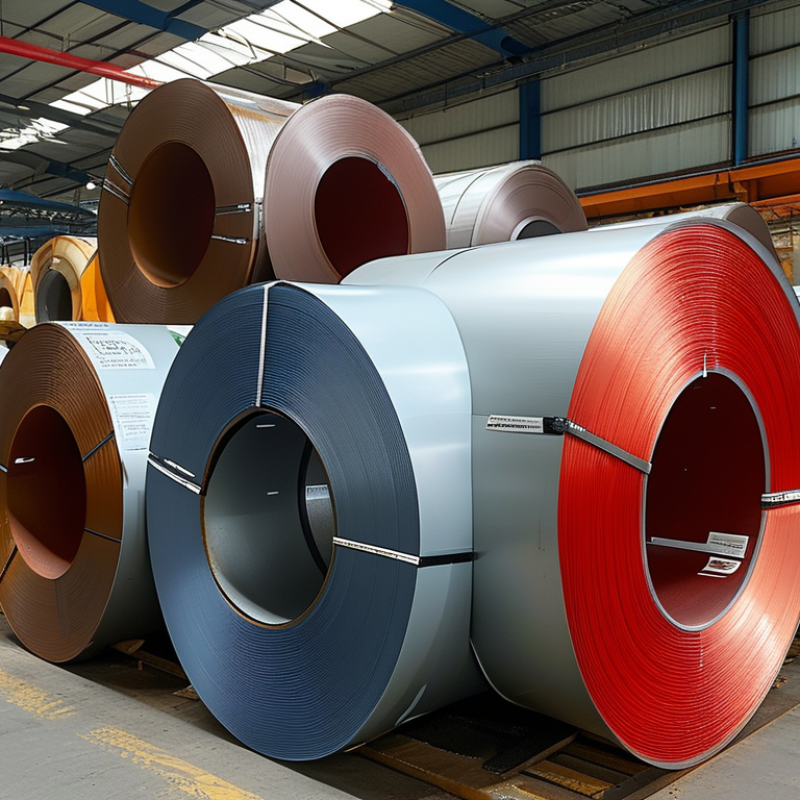
Color coated coils play an essential role in various industries globally. These coils are primarily used in construction, automotive, and household appliances. According to a recent market analysis, the color coated coil market is projected to reach USD 35 billion by 2026. This growth indicates robust demand across multiple sectors.
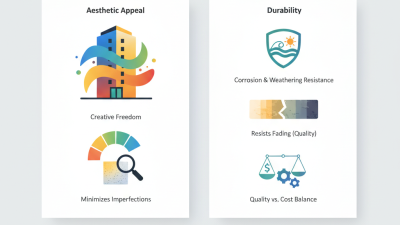
In construction, color coated coils provide durability and aesthetic appeal. They offer resistance to corrosion and UV light, making them suitable for roofing and siding. The global demand for architectural applications has risen by 12% in the last five years. Meanwhile, the automotive industry benefits from lightweight, colorful finishes that enhance vehicle design while improving fuel efficiency.
Despite these advantages, challenges exist. The production process can lead to inconsistencies in color and texture. Clients often wrestle with finding a balance between quality and cost. As manufacturers innovate, they must also address environmental impacts. Quality assurance measures may need to evolve, ensuring that products meet regulatory standards while minimizing waste. This dual focus on performance and sustainability is imperative for the future of color coated coils.
Key Players in the Color Coated Coil Market for 2026
In the evolving landscape of the color coated coil market, various key players are emerging as noteworthy contributors. These companies focus on innovative technologies, sustainability, and customer preferences. Their expertise plays an essential role in adapting products to meet global demands. Many of these firms emphasize eco-friendly manufacturing processes that limit waste and reduce emissions.
Regional dynamics influence competition significantly. Companies based in Asia hold significant market shares, driven by robust manufacturing capabilities. Meanwhile, North American and European players emphasize high-quality finishes and customization options. As demand rises, collaboration among manufacturers can lead to groundbreaking advancements. However, diverse regulations and varying standards can complicate these partnerships.
Challenges persist in ensuring quality and consistency across production lines. Firms must adapt to fluctuating material costs while maintaining fairness in pricing. The complexity of market demands often leads to missed opportunities. Continuous feedback from customers can help address gaps and improve offerings. Companies striving for excellence must remain vigilant and responsive to these ever-changing market conditions.
2026 Best Color Coated Coil Options for Global Buyers
| Product Type |
Thickness (mm) |
Width (mm) |
Coating Type |
Color Options |
Application Areas |
Market Share (%) |
| Pre-painted Galvanized Steel Coil |
0.3 - 1.5 |
600 - 1250 |
Polyester |
Standard Colors |
Construction, Appliances |
25% |
| Pre-painted Aluminum Coil |
0.2 - 1.0 |
500 - 1500 |
PVDF |
Metallic Colors |
Roofing, Facades |
15% |
| Coated Steel Strip |
0.2 - 2.0 |
300 - 1000 |
Epoxy |
Custom Colors |
Automotive, Furniture |
10% |
| Galvanized Steel with Color Coating |
0.5 - 1.8 |
700 - 1250 |
Polyester |
Branded Colors |
Storage, Industrial |
20% |
| Decorative Coated Copper Coil |
0.3 - 1.2 |
400 - 1000 |
PVDF |
Specialty Colors |
Artistic, Architecture |
5% |
Top Trends Influencing Color Coated Coil Choices in 2026
The landscape of color coated coils is rapidly evolving as we move towards 2026. One significant trend is the rising demand for
eco-friendly coatings. Buyers are seeking sustainable options that minimize environmental impact. This shift is largely driven by increasing
awareness of climate change and consumer preferences for green products. As a result, manufacturers are investing in
innovative, sustainable technologies that reduce waste and energy usage.
Another trend is the preference for customizable colors and finishes. Clients want unique designs that reflect their brand identity or aesthetic preferences. This is particularly evident in construction and automotive industries, where color plays a crucial role in marketing and visual appeal. However, the challenge lies in balancing customization with production efficiency. Manufacturers must continually adapt to changing demands while maintaining quality.
Emerging technologies such as nanotechnology also influence the market. These advancements enhance durability and resistance to corrosion. Yet, they can lead to increased costs, which may not appeal to all buyers. As we look towards 2026, the landscape of color coated coils might present both exciting opportunities and significant challenges that stakeholders must navigate.
Buyer Considerations for Selecting Color Coated Coils
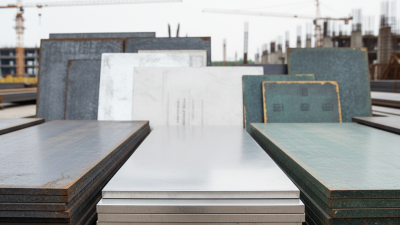
When choosing color coated coils, buyers need to consider various factors carefully. One significant aspect is the material quality. Different substrates, such as galvanized steel or aluminum, provide different strengths and durability. Each type also reacts differently to coatings, and understanding these characteristics is crucial.
Another important consideration is the type of coating used. Polyester coatings are common for their versatility, while PVDF coatings offer superior resistance to weather and UV light. Buyers must analyze the environmental conditions their products may face. Testing the features in real-world scenarios can reveal weaknesses in coatings that standard specifications may overlook.
Pricing is also a critical factor. While it can be tempting to opt for the cheapest option, long-term performance should guide decisions. A low-cost coil may save money upfront but could lead to higher maintenance costs down the line. Balancing initial costs with durability and performance will provide better value over time. Reflecting on these aspects can help buyers make informed choices in this competitive market.
Sustainability and Innovations in Color Coating Technologies
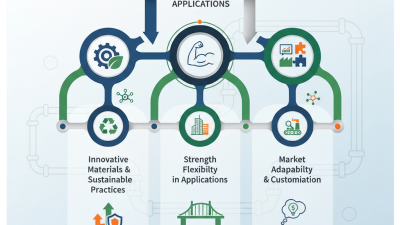
The advancements in color coating technologies are shaping a sustainable future. Innovations in these technologies are focused on enhancing durability while reducing the environmental footprint. Many manufacturers are adopting eco-friendly pigments that minimize harmful emissions. This shift reflects a growing awareness of industrial practices' impact on the planet.
Sustainability in color coated coils often faces challenges. Some methods still rely heavily on traditional solvents, which can harm air quality. The quest for efficient production processes is ongoing. However, numerous companies are exploring water-based coatings and UV-cured systems as viable alternatives. These methods promise less waste and energy consumption, showcasing a commitment to greener solutions.
This evolving landscape invites global buyers to assess their options carefully. Transparency in sourcing and production becomes critical. Companies that prioritize sustainable practices gain credibility among eco-conscious buyers. The journey toward a fully sustainable approach is complex, yet it is essential. Opportunities exist for those willing to innovate and adapt. The question remains: How committed are businesses to embracing this change?