What are the Benefits of Using Stainless Steel Plate?
In the world of construction and manufacturing, the importance of the "Stainless Steel Plate" cannot be understated. John Smith, a renowned expert in metallurgy, once said, "Stainless Steel Plates are the backbone of modern architecture." This statement captures the essence of why many industries rely on these materials.
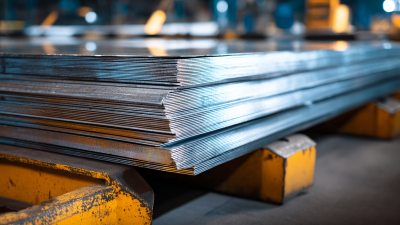
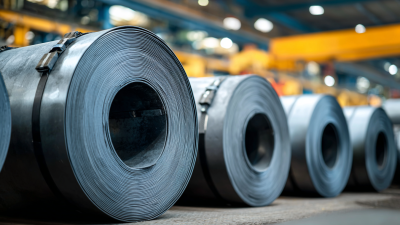
The benefits of using Stainless Steel Plates are numerous. They resist corrosion and maintain strength even in harsh environments. For instance, in the food industry, these plates can withstand extreme temperatures and maintain hygiene standards. Their durability often means fewer replacements, which can lead to cost savings over time.
However, not all stainless steel is the same. Some grades perform better in specific situations than others. Choosing the wrong type can lead to failures and costly repairs. A deeper understanding of stainless steel's properties is necessary. This knowledge is critical for making informed decisions when selecting Stainless Steel Plates for various applications.
Benefits of Corrosion Resistance in Stainless Steel Plate
Stainless steel plates are renowned for their exceptional corrosion resistance. This property makes them invaluable in various applications. Whether in kitchenware, marine environments, or industrial settings, their ability to resist rust and stains ensures durability. Many users appreciate how easy it is to clean stainless steel plates. They do not harbor bacteria, making them safer for food handling.
However, not all stainless steel is created equal. Different grades offer varying levels of corrosion resistance. For instance, some are better suited for specific conditions, like exposure to salty air. Users need to select the right grade for their environment. A poor choice could lead to unexpected degradation over time.
In certain cases, regular maintenance can enhance longevity. A simple wipe-down after use helps maintain the surface quality. However, many overlook this step, leading to potential corrosion issues. Reflecting on these aspects makes the choice of stainless steel plates less straightforward, but more rewarding when done right.
Enhanced Durability and Longevity of Stainless Steel Plate
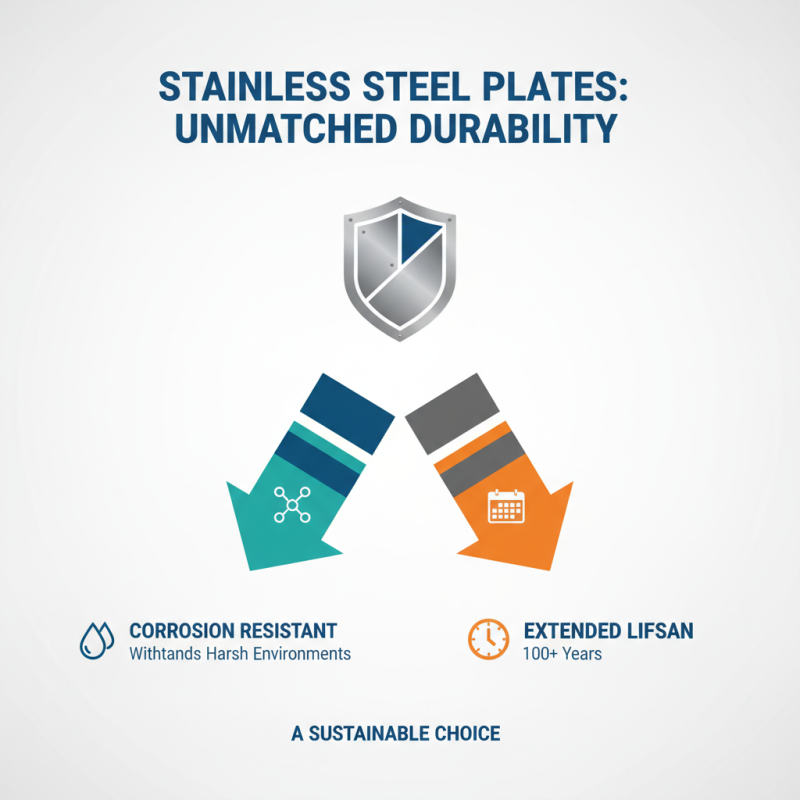
Stainless steel plates are known for their exceptional durability. They can withstand extreme environmental conditions. Reports show that these materials can resist corrosion better than many alternatives. According to the World Stainless Association, stainless steel has a lifespan that can exceed 100 years in harsh settings. This longevity makes it a smart choice for various applications.
In construction, stainless steel plates provide structural integrity. They boast high tensile strength, making them suitable for load-bearing elements. However, some industries still overlook this advantage. A study by the International Stainless Steel Forum indicates that improper maintenance can lead to a decline in performance over time. Ensuring proper care is crucial to maintaining their benefits.
While stainless steel plates are durable, they are not invincible. In coastal areas, they may be prone to pitting due to salt exposure. Users must be aware of this limitation. Regular inspections and maintenance can help mitigate potential issues. It's important to recognize the balance between durability and the need for proactive management.
Easy Maintenance and Cleanliness of Stainless Steel Plate
Stainless steel plates are renowned for their easy maintenance and cleanliness. Their non-porous surface prevents the absorption of dirt and bacteria. This feature is invaluable in kitchens and medical settings. A quick wipe can reveal a brilliant shine. However, this ease of cleaning can sometimes lead to complacency. One might assume that a mere wipe is enough.
Regular upkeep is essential. While stainless steel resists rust and staining, neglect can lead to surface dullness. Cleaning with the wrong materials can scratch the surface. Fine scratches may accumulate over time, affecting aesthetics. A little attention goes a long way. Using soft cloths and gentle cleaners maintains the plate's finish.
In high-traffic environments, stainless steel plates show their strength. They withstand spills and heavy usage, yet they require consistent care. A clean surface impacts hygiene, especially in food preparation areas. The visual appeal of a well-maintained stainless steel plate invites admiration. The balance between functionality and aesthetics is delicate. It's easy to forget that even sturdy materials need love and care.
Versatility of Stainless Steel Plate in Various Applications
Stainless steel plate is remarkably versatile in various applications. Its resistance to rust and corrosion makes it ideal for industries like construction, automotive, and food processing. Many facilities use it because of its durability and strength. In kitchens, stainless steel surfaces remain hygienic and easy to clean. The bright finish provides an attractive appearance, enhancing aesthetic value.
However, there are challenges when using stainless steel. The material can be expensive compared to alternatives. Its rigidity might complicate processes like cutting and welding. Not all grades are suitable for every environment, so careful selection is necessary. For instance, some applications require specialized grades to withstand extreme conditions.
Though it is not perfect, the adaptability of stainless steel plate shines through. Custom shapes and sizes can be fabricated to meet specific needs. Some industries have reported challenges in sourcing the right type. However, planning ahead can mitigate many issues. Its ability to blend with different materials enhances its appeal further, ensuring it remains a popular choice across industries.
Aesthetic Appeal of Stainless Steel Plate in Design and Architecture
Stainless steel plates bring a modern allure to design and architecture. Their sleek surface reflects light, creating a striking visual contrast. In environments where aesthetics matter, stainless steel becomes a prominent choice. According to a report by the Global Stainless Steel Market, the demand for stainless steel in architecture and design has surged by 15% over the past five years. This trend shows the growing appreciation for its beauty.
The versatility of stainless steel allows architects and designers to experiment freely. From minimalist homes to expansive commercial spaces, it fits seamlessly into various styles. However, some critique its cold appearance. Balancing warmth and sleekness can be challenging. Adding elements like wood or textiles may soften the starkness. The right combination is essential to avoid design pitfalls.
Sustainability is another consideration. Stainless steel is recyclable, aligning with eco-friendly designs. However, the process of production can be resource-intensive. Finding the balance between beauty and sustainability requires thoughtful design choices. As the industry evolves, stakeholders must rethink methods for sourcing materials responsibly while keeping aesthetic integrity intact. The dialogue around these issues is ongoing.
Benefits of Using Stainless Steel Plate in Design and Architecture
| Benefit |
Description |
| Durability |
Stainless steel plates are highly resistant to corrosion and wear, making them ideal for long-lasting applications. |
| Aesthetic Appeal |
The sleek and modern look of stainless steel enhances the visual appeal of architectural designs. |
| Ease of Maintenance |
Stainless steel surfaces are easy to clean and maintain, requiring minimal upkeep over time. |
| Versatility |
Can be used in various applications including cladding, roofing, and interior design, adapting to different styles. |
| Sustainability |
Stainless steel is 100% recyclable, contributing to environmentally friendly design practices. |
| Fire Resistance |
Stainless steel does not burn or emit toxic fumes, increasing safety in architectural applications. |