What Are the Benefits of Using Stainless Steel Coil?
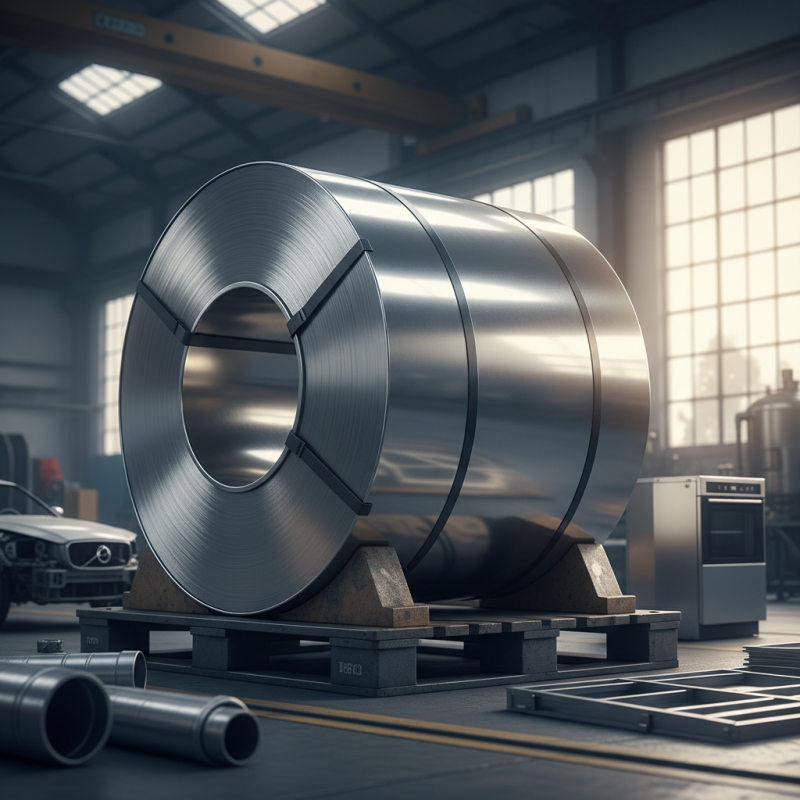
Stainless Steel Coil is a versatile material widely used across various industries. Its unique properties make it suitable for different applications, from automotive parts to kitchen appliances. But why should industries consider switching to this material?
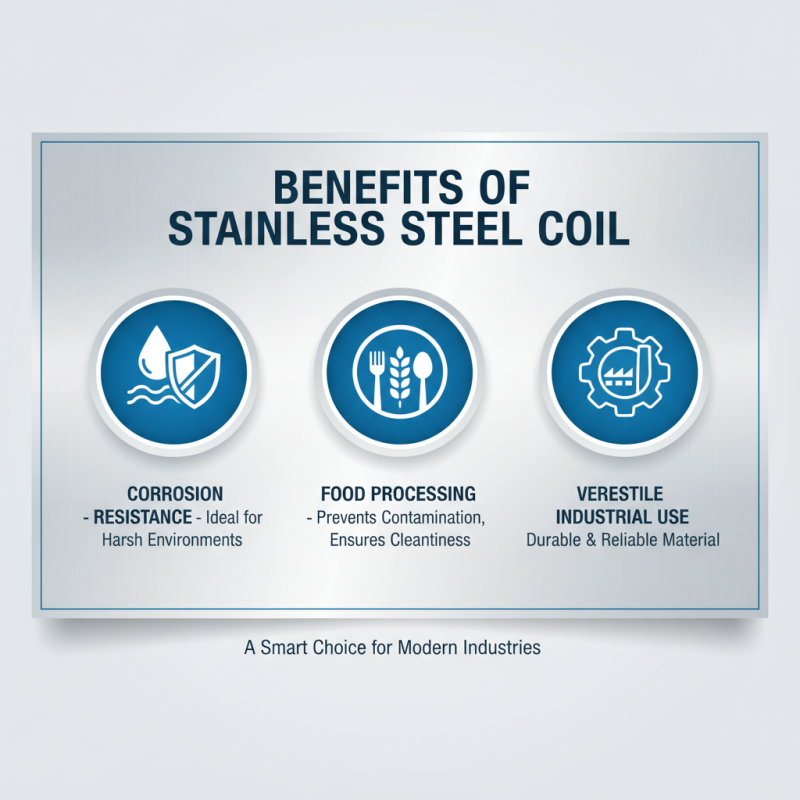
One major advantage of Stainless Steel Coil is its corrosion resistance. It withstands harsh environments, ensuring longevity and reduced maintenance costs. This can be critical in food processing or chemical industries, where hygiene is paramount. However, the initial investment can be higher compared to other materials.
Durability is another compelling reason to use Stainless Steel Coil. It can endure extreme temperatures, making it ideal for construction and manufacturing. Still, some may question its recyclability or the energy consumption in its production process. Assessing these factors is essential for a sustainable choice.
Benefits of Stainless Steel Coil in Various Industries
Stainless steel coil offers numerous benefits across different industries. Its intrinsic corrosion resistance makes it ideal for harsh environments. For example, in the food processing sector, stainless steel prevents contamination. Cleanliness is crucial here, and stainless steel shines as a reliable choice.
In the construction industry, stainless steel coil is valued for its strength and durability. It withstands varying weather conditions, ensuring long-lasting structures. Using stainless steel also enhances the aesthetic appeal of buildings. However, its initial cost can be a concern for some projects.
Manufacturing sectors benefit from stainless steel’s versatility. It can be easily shaped and molded for various applications. In transportation, it helps reduce weight without compromising strength. Yet, companies must consider the potential for scratches that can occur during handling. Proper care and training can mitigate these issues, ensuring optimal performance.
Corrosion Resistance: Why Stainless Steel Coil Lasts Longer
Stainless steel coils offer remarkable corrosion resistance, making them a popular choice for various applications. This unique property comes from the presence of chromium in stainless steel, which forms a protective layer. This layer prevents rust and degradation, allowing the coils to withstand harsh environments.
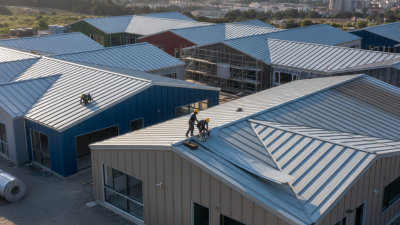
In construction, stainless steel coils are often used in roofing and siding materials. They resist severe weather conditions, reducing maintenance costs. Industries, such as food processing and pharmaceuticals, rely on stainless steel for hygiene. However, while stainless steel is durable, it’s not impervious to damage. Over time, scratches or poor maintenance can expose the metal underneath to corrosive elements.
Installing stainless steel coils requires careful thought. Improper installation can lead to gaps that allow moisture to seep in. This moisture can eventually cause corrosion. Therefore, it's crucial to emphasize proper installation techniques and regular inspections. The longevity of stainless steel coils depends not just on the material itself but also on how they are maintained and cared for.
Benefits of Using Stainless Steel Coil
Lightweight and Strength: The Advantage of Stainless Steel Coil
Stainless steel coil is increasingly popular in various industries due to its unique properties. Its lightweight nature contributes to efficiency, making it easier to handle. According to a recent report by the International Stainless Steel Forum (ISSF), stainless steel is about
30% lighter than carbon steel. This reduction in weight translates to lower transportation costs and easier installation.
The strength of stainless steel coil is another key advantage. It boasts an impressive tensile strength that surpasses many metals. Industry data indicates that stainless steel can endure extreme stress and impact, making it ideal for construction and manufacturing. It can withstand high temperatures and corrosion, enhancing durability and lifespan.
Tip: When selecting stainless steel coil, consider the specific alloy for your application. Different alloys offer variations in strength and corrosion resistance.
Despite its benefits, it's essential to reflect on cost factors. Stainless steel can be more expensive than alternatives. However, the long-term savings on maintenance and replacement should be weighed against initial costs.
Tip: Look for suppliers that provide detailed specifications. This ensures you choose the right coil for your project’s requirements.
Ease of Maintenance: Keeping Stainless Steel Coil Clean and Durable
Stainless steel coil is a popular choice in various industries due to its ease of maintenance. Its smooth surface resists dirt and grime. A report from the International Stainless Steel Forum indicates that stainless steel exhibits excellent corrosion resistance, making it ideal for long-lasting applications. This inherent property allows users to maintain a clean and aesthetic surface with minimal effort.
Routine cleaning can enhance durability significantly. A simple mixture of water and mild detergent is often sufficient. After cleaning, it's crucial to rinse thoroughly and dry the surface to prevent water spots. This basic practice can extend the lifespan of stainless steel products substantially. Remember, even small amounts of grime can affect appearance over time.
Tip: Regularly check for areas that need attention, especially in high-use environments. A quick wipe-down daily could save hours of deep cleaning later. Engaging in proactive maintenance can reveal wear or scratches early, allowing for timely repairs. Keeping stainless steel coil in top condition not only improves its look but also its functionality.
Benefits of Using Stainless Steel Coil
| Feature |
Description |
Benefit |
| Corrosion Resistance |
Stainless steel coils resist rust and corrosion. |
Increases longevity and reduces maintenance costs. |
| Ease of Cleaning |
Smooth surface allows for easy cleaning with minimal effort. |
Maintains hygiene and aesthetic appeal. |
| Durability |
Strong and resilient material that withstands harsh conditions. |
Fewer replacements and repairs needed. |
| Versatility |
Can be used in various applications, from construction to kitchenware. |
Wide range of uses enhances functionality. |
| Heat Resistance |
Maintains properties at high temperatures. |
Suitable for high-temperature applications. |
Cost-Effectiveness: Long-Term Savings with Stainless Steel Coil Usage
Stainless steel coils offer significant cost-effectiveness for various industries. They have a remarkable lifespan, often exceeding decades. This endurance translates to fewer replacements and lower long-term costs. Additionally, the maintenance requirements are minimal. A simple cleaning regimen suffices to keep stainless steel in top shape.
Investing in stainless steel coils can lead to practical savings. Though the initial purchase may appear high, the durability pays off over time. Industries using these coils report fewer project delays due to material failure. This reliability is crucial in sectors like construction and manufacturing. However, potential buyers should consider factors like market volatility. Prices might fluctuate, impacting budgets.
Using stainless steel does not come without challenges. Fabrication can sometimes be complex. Not every worker may have the necessary skills. It's essential to assess local expertise. Risk management is key when using expensive materials. Each project should evaluate its specific needs and limitations. Making informed decisions can turn initial drawbacks into long-term benefits.