Top 10 Benefits of Using Cold Rolled Sheet for Your Business?
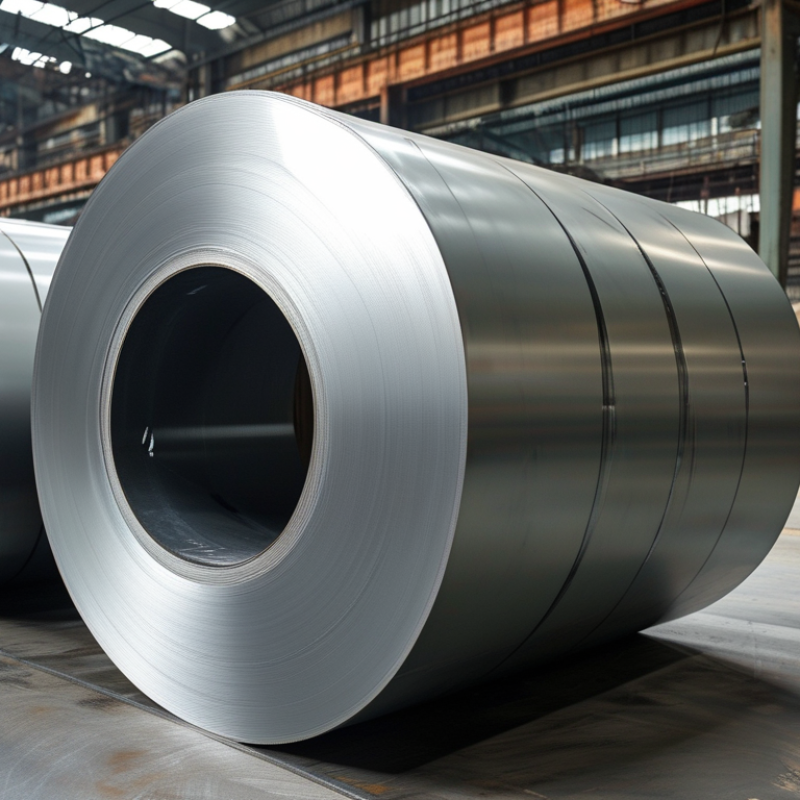
Cold Rolled Sheet is a popular material in various industries. It offers numerous advantages that can enhance business operations. This article will explore its top benefits and why it stands out.
Using Cold Rolled Sheet can improve precision in manufacturing. The smooth surface reduces defects. This leads to better end products. Businesses can rely on its uniform thickness for consistent quality.
One common concern is the initial cost compared to other materials. However, its durability and lower maintenance often offset this. Investing in Cold Rolled Sheet means investing in longevity. Many manufacturers have noted significant savings over time. It's a decision that merits serious consideration.
Benefits of Cold Rolled Sheets in Material Strength and Durability
Cold rolled sheets are a go-to choice for many industries due to their superior material strength and durability. According to recent industry reports, cold rolled steel typically exhibits a tensile strength that is 20% higher than hot rolled counterparts. This makes it ideal for applications where sturdiness is essential, such as automotive parts and construction materials.
The manufacturing process of cold rolled sheets enhances their mechanical properties. The cold working process refines the grain structure, which increases hardness. However, this increased hardness can result in brittleness if not managed correctly. Proper design and engineering considerations are crucial to maximize the benefits while minimizing potential drawbacks. Thickness variations can also impact the performance, making it essential for businesses to understand their specific requirements comprehensively.
Moreover, while cold rolled sheets offer excellent durability, their resistance to corrosion is often a point of concern. In environments where exposure to moisture is high, protective coatings may be necessary. It is important for businesses to evaluate both the benefits and potential limitations of cold rolled sheets, ensuring they choose the right materials for long-term success.
Cost Efficiency: How Cold Rolled Sheets Reduce Manufacturing Expenses
Cold rolled sheets offer significant cost advantages for manufacturers. According to the American Iron and Steel Institute, cold rolled steel can reduce production costs by up to 15% compared to hot-rolled alternatives. This is primarily due to decreased processing time and reduced waste material. The tighter tolerances of cold rolled sheets allow for precision cutting, minimizing the need for additional machining processes.
Manufacturers often experience increased efficiency when using cold rolled sheets. A report from the National Association of Manufacturers indicates that companies utilizing this material see a 20% improvement in production speed. This efficiency not only enhances output but also lowers labor costs. Furthermore, cold rolled sheets exhibit superior surface finish, which can reduce expenses in post-processing steps.
While the initial investment may be higher, the long-term savings are notable. Cold rolled sheets can last longer due to their enhanced strength and durability. However, businesses should assess their needs carefully. The choice between cold and hot rolled sheets depends on specific applications and desired properties. An informed decision can prevent unnecessary expenses down the line.
Top 10 Benefits of Using Cold Rolled Sheet for Your Business
| Benefit |
Description |
Cost Efficiency |
Approx. Savings (%) |
| Higher Strength |
Cold rolled sheets offer increased strength compared to hot rolled sheets. |
Reduces need for additional material. |
10% |
| Better Finish |
Cold rolled sheets have a smoother surface, reducing post-processing costs. |
Less time on finishing. |
15% |
| Reduced Scrap Rate |
Higher precision leads to lower scrap during cutting and shaping. |
Less material waste. |
20% |
| Customization |
Easily customizable to specific thicknesses and widths. |
Optimizes production line configurations. |
5% |
| Consistency |
Batch-to-batch consistency improves product quality. |
Enhances overall manufacturing efficiency. |
12% |
| Durability |
Greater resistance to deformation under stress. |
Less frequent reordering and replacement. |
18% |
| Reduced Energy Costs |
Lower energy consumption during forming and shaping processes. |
Decreases overall manufacturing energy expenses. |
8% |
| Lightweight |
Allows for lighter designs while maintaining strength. |
Enhances transportation efficiency. |
7% |
| Environmental Impact |
Sustainable production processes minimize environmental footprint. |
Potential for lower compliance costs with regulations. |
6% |
| Market Competitiveness |
Ability to offer better prices and products strengthens market position |
Higher profitability margins. |
10% |
Enhancing Surface Finish: The Aesthetic and Functional Advantages
Cold rolled sheet is gaining attention for its aesthetic and functional advantages. One major benefit is its smooth, refined surface finish. This characteristic is not merely about looks; it enhances corrosion resistance and improves paint adhesion. In industries where the visual appeal of materials is crucial, such as automotive and architecture, this feature stands out.
There’s a certain appeal to the consistent texture of cold rolled sheets. The uniformity provides a perfect canvas for additional processes, be it painting, coating, or even engraving. However, manufacturers need to remain mindful of potential drawbacks. Not all applications might benefit from this finish. Some designs may prioritize other attributes over aesthetics, like strength or weight.
Cold rolled sheets also offer a variety of surface finishes, enhancing versatility. From polished to brushed, each finish serves different purposes. Businesses must consider their specific needs carefully. Not every finish suits every project, which can lead to inconsistencies if not addressed properly. By understanding the balance between appearance and functionality, companies can make informed choices that support their long-term goals.
Weight Considerations: Cold Rolled Sheets in Lightweight Design Solutions
Cold rolled sheets
are gaining traction in the manufacturing industry. Their
lightweight design is one key advantage. These sheets can
provide structural integrity without the added weight. This makes them essential in applications where
every gram counts. Industries like
automotive and
aerospace are leading the way in adopting these materials.
Many manufacturers face challenges with weight restrictions. Cold rolled sheets can help overcome these hurdles.
Their strength allows for thinner designs, reducing overall weight.
This not only saves on materials but also improves efficiency.
However, achieving the perfect balance between weight and strength can be tricky. Regular assessments are
necessary to ensure optimal performance.
While cold rolled sheets have clear benefits, they require careful handling. Improper installation can lead to
issues down the line. Regular training and current knowledge on best practices are vital. We must continually
examine our methods to harness these sheets effectively. Embracing a lightweight design can make a
significant difference, but it demands diligence and expertise.
Versatility Across Industries: Applications of Cold Rolled Sheets
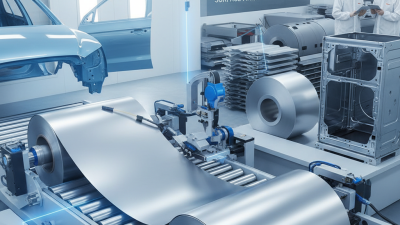
Cold rolled sheets have become essential in various industries. Their applications span automotive, construction, and manufacturing. According to a market research report by Grand View Research, the cold rolled steel market is projected to reach approximately $300 billion by 2025. This growth highlights the material's significance in modern industrial applications.
In the automotive sector, cold rolled sheets are used for body panels and frames. They provide a smooth surface and excellent dimensional accuracy. A report from Research and Markets indicates that cold rolled steel accounts for nearly 20% of total automotive steel usage. This underscores its importance in lightweight vehicle design, contributing to fuel efficiency.
In construction, these sheets are favored for their strength and flexibility. They can be easily molded into a variety of shapes, making them ideal for structural frameworks and roofing. However, it's important to note that improper handling can lead to surface defects. Ensuring proper storage and transport is crucial to maintain quality. This aspect often gets overlooked in the quest for cost-saving measures, but it should not be ignored.