Top 10 Benefits of Hot Rolled Steel Coils for Your Business?
Hot Rolled Steel Coils are vital in various industries. Their strength and versatility make them a preferred choice among manufacturers. According to industry reports, the global hot rolled steel market is expected to grow significantly, driven by rising demands from construction and automotive sectors.
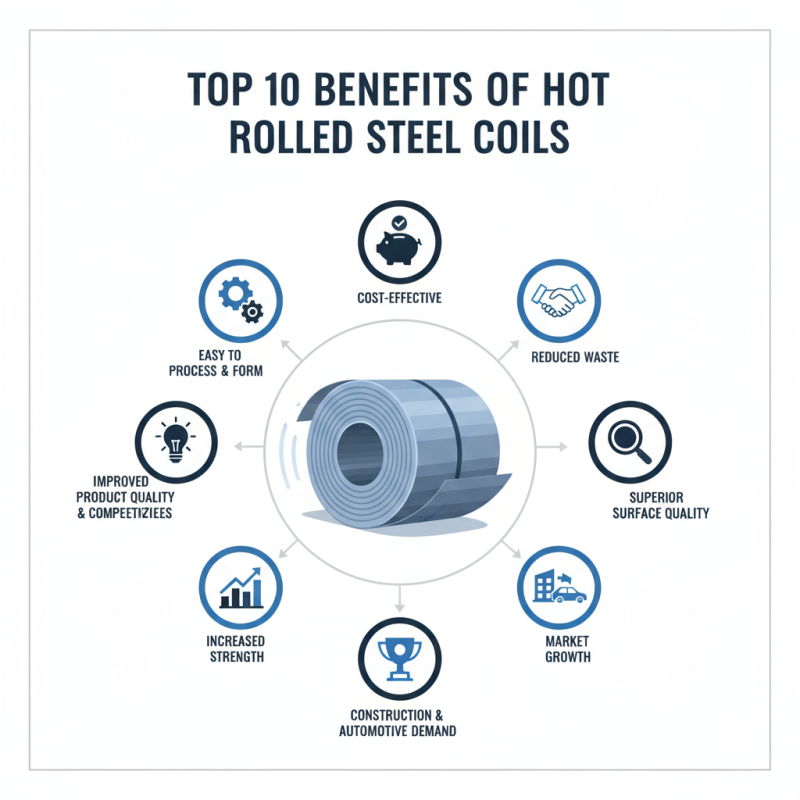
Hot Rolled Steel Coils provide numerous benefits for businesses. They are easy to process and form, which streamlines production. Manufacturers appreciate the cost-effectiveness of these coils, as they reduce waste during fabrication. Furthermore, their surface quality is often superior, leading to better finishes in final products. Yet, some companies may overlook the importance of selecting high-quality coils.
Understanding the benefits of Hot Rolled Steel Coils can lead to enhanced operational efficiency. With the right choice, businesses can improve their product quality and overall competitiveness. Ignoring these advantages might hinder growth and lead to missed opportunities.
Understanding Hot Rolled Steel Coils and Their Production Process
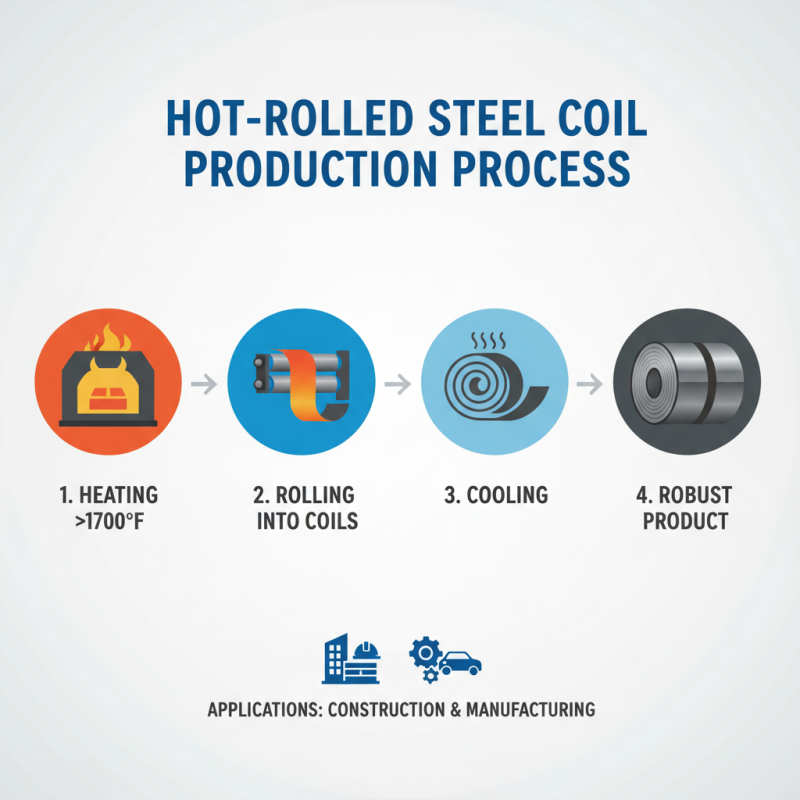
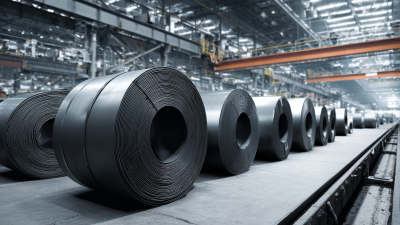
Hot rolled steel coils are essential in various industries, including construction and manufacturing. The production process begins with heating steel billets to high temperatures, usually over 1,700°F. This high heat allows the steel to be shaped into coils, providing flexibility for many applications. Once rolled, the steel is cooled, creating a smooth surface. The result is a robust product that can withstand heavy loads.
Despite these advantages, there are drawbacks to consider. The hot rolling process can introduce some internal stresses in the steel. These stresses might affect its performance under certain conditions. Additionally, the surface finish may not be as smooth as cold-rolled steel. For businesses, it’s crucial to weigh these factors against the benefits. Choosing hot rolled steel requires an understanding of your project’s specific needs and context. The right choice can lead to improved efficiency and cost-effectiveness.
Cost-Effectiveness of Hot Rolled Steel Coils in Industrial Applications
Hot rolled steel coils are widely recognized for their cost-effectiveness in industrial applications. These coils are produced by rolling steel at high temperatures, which reduces production costs. According to a recent industry report, businesses can save up to 20% on materials using hot rolled steel compared to cold-rolled alternatives. This efficiency is crucial for companies looking to maximize profit margins while maintaining quality in manufacturing.
When considering investments, it's essential to assess specific needs. Hot rolled coils can reduce fabrication time and labor costs, as they are more malleable. This feature allows manufacturers to produce complex shapes quickly. However, it’s important to note that the surface finish of hot rolled steel is rough, which may not suit all applications. Industries must evaluate whether this finish aligns with their project specifications.
Tip: Choose hot rolled steel for projects where strength is prioritized over surface finish. It often provides better formability, leading to more efficient production cycles. Furthermore, be aware that protection against corrosion is sometimes necessary, as the raw surface can lead to rust if not treated properly. Understanding the balance between cost, durability, and application requirements can enhance decision-making strategies.
Versatility and Customization Options of Hot Rolled Steel Coils
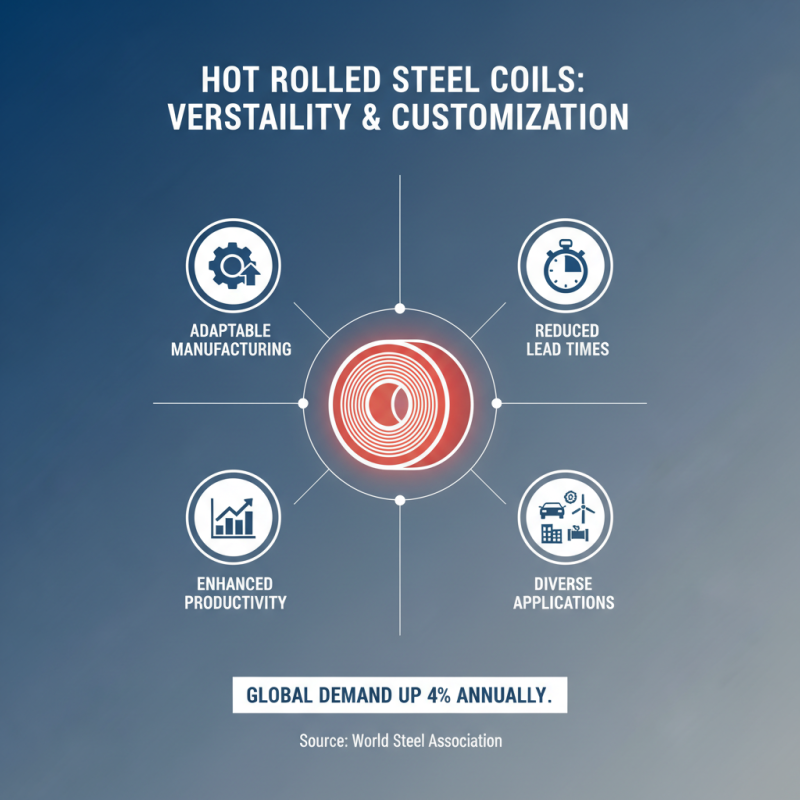
Hot rolled steel coils stand out for their versatility and customization options. Many industries benefit from the unique properties of these materials. According to a report by the World Steel Association, the use of hot rolled steel has grown by 4% annually, reflecting its increasing demand in various applications. These coils adapt easily during manufacturing processes. This flexibility can lead to reduced lead times and enhanced productivity.
Customization is a significant advantage of hot rolled steel coils. Manufacturers can tailor thickness, width, and shape to suit specific project requirements. A survey by Metal Forming Magazine reported that 67% of fabricators prefer hot rolled steel for its formability and ease of modification. However, not all projects may benefit. Some applications may require cold rolled options for tighter tolerances. Balancing between these choices is vital for achieving optimal results.
Despite its many advantages, hot rolled steel does have limitations. Its surface finish is often less refined than cold rolled types, which can affect the aesthetic appeal of certain products. This consideration is crucial for industries prioritizing visual quality. Additionally, careful evaluation of the final application is necessary to avoid misapplications. The decision process should include consultation with material experts to ensure the best fit.
Improved Structural Integrity and Strength from Hot Rolled Steel Coils
Hot rolled steel coils are gaining attention in construction and manufacturing. Their improved structural integrity is a significant advantage. The rolling process at high temperatures allows the steel to shape easily. This results in a more uniform thickness and fewer defects. Such features enhance the strength of the final products.
When using hot rolled steel coils, businesses can experience increased reliability. The material resists deformation under stress. This is crucial in construction projects where safety is paramount. However, the strength comes with challenges. The surface finish may not be as smooth as cold rolled steel. This can impact certain applications where aesthetics matter.
Another consideration is the weight. Hot rolled steel is generally heavier than alternatives. This may affect transportation and handling. Companies must assess their logistics carefully. Balancing strength and practicality can be tricky. It’s important to weigh the pros and cons before making a decision. The benefits are clear, yet considerations remain essential.
Top 10 Benefits of Hot Rolled Steel Coils for Your Business
Sustainability and Environmental Benefits of Using Hot Rolled Steel Coils
Hot rolled steel coils play a significant role in promoting sustainability in various industries. These coils are usually produced at higher temperatures, which makes them more
energy-efficient compared to cold-rolled options. According to the American Iron and Steel Institute, utilizing hot rolled steel can reduce energy consumption by up to
20% during manufacturing. This reduction translates into less greenhouse gas emissions, contributing to a smaller carbon footprint for businesses.
Moreover, hot rolled steel is 100% recyclable. The Environmental Protection Agency reports that steel is one of the most recycled materials in the world, with a recycling rate exceeding
90%. Using recycled hot rolled steel reduces the need for new raw materials. This not only conserves natural resources but also lessens waste in landfills. However, it is essential for companies to ensure that their recycling processes are
efficient. Poor management in this area can lead to increased emissions, contradicting the initial environmental goals.
Investing in hot rolled steel can also improve overall product durability. Although some believe that hot rolled steel may have less precision than cold rolled versions, its resilience in
construction applications proves otherwise. On the flip side, maintaining quality standards throughout the recycling process becomes a
challenge. Ensuring that recycled steel meets specifications is critical to prevent inferior products from entering the market.