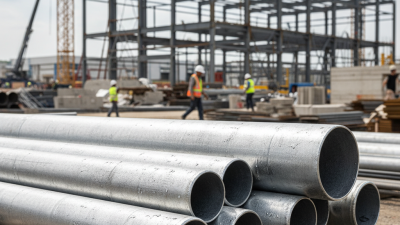
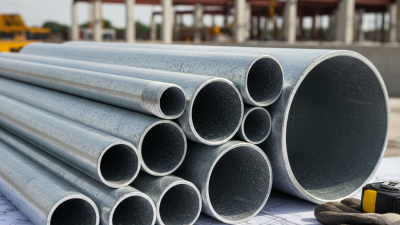
What Are the Benefits of Hot Dip Pipe for Global Buyers?
In the competitive landscape of global procurement, understanding the advantages of "Hot Dip Pipe" is essential. Experts like Dr. James Thornton, a leading figure in metallurgy, emphasize, "The durability of Hot Dip Pipe can save costs long-term." His insights shed light on the growing preference for this product.
Hot Dip Pipe offers significant benefits in terms of corrosion resistance and longevity. Buyers benefit from reduced maintenance costs. This product withstands harsh environmental conditions. Industries such as construction and oil rely heavily on it. These sectors demand materials that endure the test of time.
However, choosing Hot Dip Pipe requires careful consideration. Not all suppliers maintain high-quality standards. It is crucial to verify credentials and practices. Buyers should reflect on their specific needs and supplier reliability. This industry warrants attention to detail, as the wrong choice can lead to costly mistakes. Investing time in understanding these factors will pay off significantly.
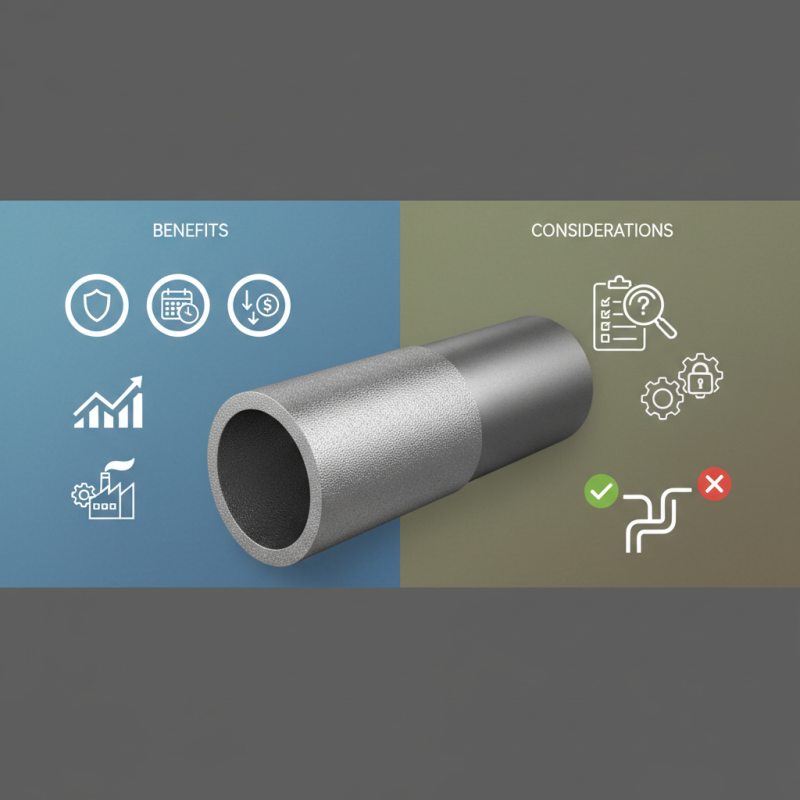
Understanding Hot Dip Pipe: A Comprehensive Overview
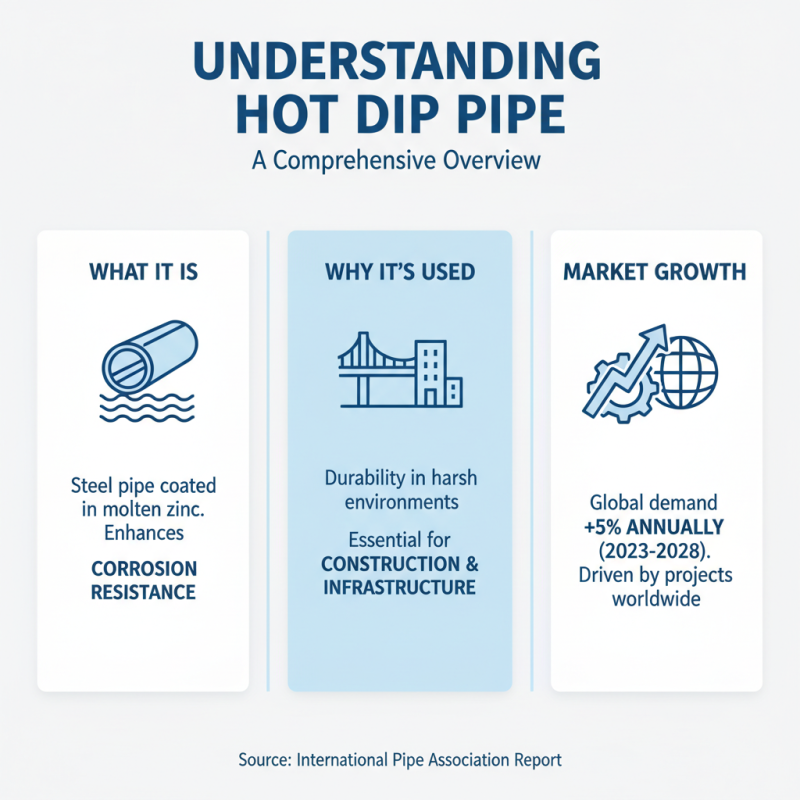
Hot dip pipe is an essential product widely used in various industries. Its unique dipping process enhances corrosion resistance, making it suitable for diverse environmental conditions. According to a recent report by the International Pipe Association, the global demand for hot dip pipes is expected to grow by 5% annually over the next five years. This growth is driven by extensive applications in construction and infrastructure projects.
In addition to durability, hot dip pipes offer remarkable structural integrity. Data indicates that they have a lifespan up to 50 years with proper maintenance. This longevity decreases the need for frequent replacements. However, the initial investment can be relatively high. Buyers must weigh upfront costs against long-term savings effectively. Relying solely on price can lead to overlooked advantages.
Tips:
When selecting hot dip pipes, consider environmental factors that may affect performance. Ensure pipes meet local standards and specifications. Regular inspections can prevent costly repairs in the future. Pay attention to the source material quality, as it greatly impacts the pipe's lifespan. Different applications may require specific grades for optimal results.
Key Advantages of Hot Dip Pipe for International Buyers
When considering hot dip pipes, international buyers can enjoy numerous benefits. The robust corrosion resistance is a prime factor. Hot dip galvanizing offers protection that extends the lifespan significantly. This means reduced maintenance costs over time. Corrosion can be a serious issue, leading to expensive replacements. Buyers value durability, especially in harsh environments.
Another key advantage is the enhanced mechanical strength. Hot dip pipes can withstand high pressure and heavy loads. This makes them ideal for industrial applications, such as construction and infrastructure. The reliable performance in varied conditions adds to their appeal. However, it’s essential to choose the right thickness and specifications for your needs. Overlooking these details might impact performance.
Tips: Consider the specific environmental conditions your project will face. Climate and exposure can affect longevity. Also, don’t skip on checking certifications and standards. This ensures quality and reliability in the long run. Lastly, always engage with experienced suppliers. They can provide insights that help in making informed decisions. Make sure you understand the application fully.
Durability and Longevity of Hot Dip Pipe in Various Applications
Hot dip pipe offers exceptional durability and longevity, making it an appealing choice for various applications.
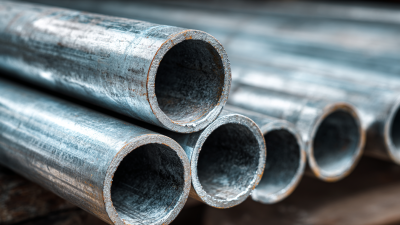
The hot dip galvanization process creates a thick zinc layer on the steel, effectively shielding it from corrosion.
This protective layer can endure harsh environmental conditions.
In industries like construction, mining, and agriculture, hot dip pipes resist wear and tear better than standard pipes.
These pipes are often used in water supply systems and structural applications.
Their robust nature ensures a longer lifespan, reducing the need for frequent replacements.
Despite their benefits, some buyers may worry about initial costs.
It is essential to weigh these costs against long-term savings.
Hot dip pipes excel in diverse settings.
They perform well in coastal areas and industrial environments.
However, improper installation could lead to decreased effectiveness.
Ensuring the right techniques during installation is crucial for optimal performance. A knowledgeable installation team can help mitigate risks and enhance longevity.
Cost-Effectiveness of Hot Dip Pipe Compared to Other Materials
When considering the cost-effectiveness of hot dip pipe, it’s crucial to evaluate its long-term benefits. Hot dip pipes are known for their durability and resistance to corrosion. This longevity can lead to significant savings over time. Replacement costs for traditional materials may quickly surpass initial savings. Buyers often overlook maintenance costs that can be lower with hot dip options.
The initial investment for hot dip pipes may be higher. However, their extended lifespan often justifies this expense. In many cases, industries find that the lifespan reduces the need for frequent replacements. Additionally, hot dip pipes can withstand harsh conditions. This reliability can result in fewer disruptions in operations and ready availability.
Many buyers show concern about upfront prices when selecting materials. A deeper look reveals that the overall lifecycle cost can favor hot dip pipes. It’s essential to consider the entire equation, not just installation costs. While other materials may appear cheaper initially, their performance may not match that of hot dip pipe. Making the right choice requires a comprehensive analysis of both current needs and future prospects.
Environmental Benefits of Using Hot Dip Pipe in Construction and Industry
Hot dip pipe has gained popularity in various industries, especially in construction. Its environmental benefits are significant. The process of hot-dip galvanization protects the pipe against corrosion. This leads to reduced material waste and lower need for replacements. By extending the lifespan of pipes, we minimize resource consumption over time.
Construction projects generate a large amount of waste. Using hot-dip pipes can mitigate this issue. These pipes can be recycled at the end of their lifespan. This recycling process is more efficient than producing new materials. Furthermore, utilizing these pipes can also reduce greenhouse gas emissions.
Tips: When considering hot-dip pipes, ensure they meet industry standards. Check for proper certification. Regular maintenance enhances durability and sustainability. Small choices can lead to substantial environmental benefits. Evaluate your options carefully.
What Are the Benefits of Hot Dip Pipe for Global Buyers? - Environmental Benefits of Using Hot Dip Pipe in Construction and Industry
| Benefit |
Description |
Environmental Impact |
Usage Areas |
| Durability |
Hot dip pipes have a long lifespan and resist corrosion effectively. |
Reduces waste and need for frequent replacements. |
Infrastructure projects, water supply, and industrial applications. |
| Low Maintenance |
Facilitates reduced maintenance costs due to fewer repairs needed. |
Minimizes environmental disturbance from maintenance activities. |
Construction sites, oil and gas, and municipal services. |
| Recyclability |
Hot dip pipes can be recycled at the end of their service life. |
Promotes a circular economy and lessens landfill demands. |
Waste management, recycling centers, and construction recycling. |
| Energy Efficiency |
Hot dip pipes, due to their thermal properties, improve energy efficiency. |
Helps reduce overall energy consumption in transport. |
HVAC systems, industrial heating, and fluid transportation. |
| Chemical Resistance |
Withstands various chemicals, enhancing its application range. |
Prevents leakage and contamination of soil and water supplies. |
Chemical plants, waste management, and power generation. |