Leave Your Message

What Are the 2026 Top Metal Sheet Types for Global Buyers?

Choosing the right Metal Sheets in 2026 will require more than comparing prices per ton. Global buyers must assess material performance, supply stability, processing needs, and verified documentation. A low-cost coil may become expensive after cutting losses, surface defects, or delayed delivery.

This guide examines the leading sheet types expected to attract international demand. Galvanized steel remains important for roofing, automotive parts, and outdoor structures. Stainless steel supports food equipment, medical spaces, and architectural projects where corrosion resistance matters. Aluminum sheets offer lower weight and strong forming potential. Cold-rolled steel provides clean surfaces and reliable dimensions for appliances and precision fabrication.

Coated and pre-painted sheets also deserve attention. Their color consistency can reduce finishing work, especially on building panels and industrial enclosures. However, coating thickness, paint adhesion, and edge protection vary between suppliers. Buyers should request mill test certificates, surface standards, dimensional tolerances, and independent inspection when project risks are high.

There is no universal ranking.

Actual demand depends on climate, industry, freight routes, and local fabrication capacity. A stainless grade that performs well near a coastal port may be unnecessary for an indoor warehouse. That assumption can fail. Experienced sourcing teams compare lifecycle cost, not only the initial quotation. They also check packaging details, such as waterproof paper, steel straps, and corner protection.

The following outline offers a practical view of the top sheet categories for 2026. It connects technical properties with real purchasing decisions, helping buyers select materials with greater confidence and fewer costly surprises.
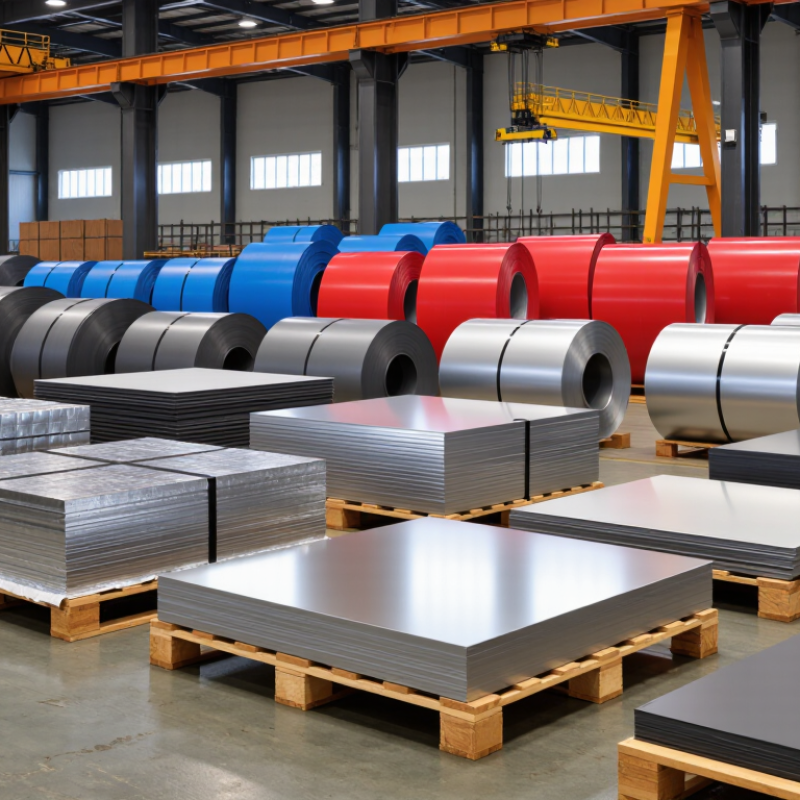
What Are the 2026 Top Metal Sheet Types for Global Buyers?

Defining Metal Sheet Types and Their Role in Global Trade

What Are the 2026 Top Metal Sheet Types for Global Buyers?

Defining Metal Sheet Types and Their Role in Global Trade

Metal sheets are flat metal products with controlled thickness, width, and surface condition. They are cut, rolled, coated, or treated for specific industrial uses. In global trade, “sheet” usually refers to thinner material than plate, although regional definitions can differ.

Carbon steel sheets remain popular for machinery frames, storage systems, and construction parts. Stainless steel sheets serve kitchens, medical facilities, and equipment exposed to moisture. Aluminum sheets offer lower weight for transport bodies, roofing, and fabricated components. Galvanized sheets add zinc protection against corrosion. Copper sheets support electrical and architectural applications, but their higher cost requires careful budgeting.

Each type creates different purchasing questions. Buyers should check alloy grade, thickness tolerance, flatness, surface finish, and edge condition. A 2-millimeter sheet may look identical to another sheet, yet perform differently after welding or bending. Small details matter.

Trade decisions also depend on documentation. Reliable suppliers can provide mill test reports, heat numbers, packing lists, and clear dimensional records. These documents help buyers verify material identity and reduce disputes during inspection. Packaging deserves attention too. Moisture trapped inside damaged wrapping can stain surfaces before arrival.

I have seen buyers focus on price and overlook processing losses. That approach can become expensive. A cheaper sheet may need extra trimming, coating, or rejection. Specifications should reflect the final application, not only the shipping quote. No single type fits every market.
Comparing the Leading Metal Sheets Expected in 2026

What Are the 2026 Top Metal Sheet Types for Global Buyers?

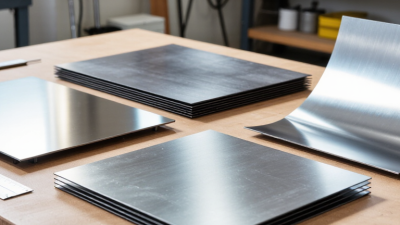
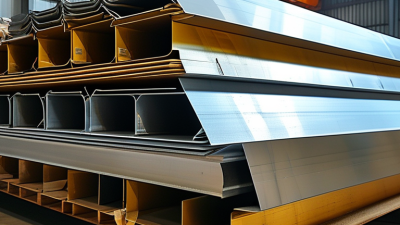
Comparing the leading metal sheets expected in 2026 requires more than checking price. Galvanized steel should remain popular for roofing, ductwork, and outdoor panels. Its zinc coating helps resist moisture, while its strength supports efficient fabrication. Aluminum sheets suit transport bodies, façades, and lightweight enclosures. They reduce structural weight but usually cost more than standard steel. Stainless steel remains valuable in food processing, medical spaces, and humid environments. Its corrosion resistance is strong, although surface finish and alloy selection affect the final performance.

Carbon steel sheets will continue serving machinery, frames, and general fabrication. They offer reliable strength and broad availability. However, they need paint, oil, plating, or another protective system in corrosive conditions. Weather-resistant steel may attract infrastructure buyers, but its appearance and performance depend heavily on local climate. This is where simple comparisons become misleading. A low purchase price can create higher maintenance costs later. Buyers should also examine thickness tolerance, flatness, edge quality, recycled content, and delivery reliability. Mill certificates and independent inspection records add useful confidence.

Tips: Match the sheet to its working environment, not only its application name. Request coating thickness data for galvanized products. Confirm forming radius before ordering aluminum or stainless sheets. Ask for samples when surface appearance matters. My practical caution is simple: supplier claims still need verification. Even a well-specified sheet can fail when storage, cutting, or installation conditions are ignored.

Matching Metal Sheet Types With Industrial Applications

What Are the 2026 Top Metal Sheet Types for Global Buyers?

Matching Metal Sheet Types With Industrial Applications

Choosing metal sheet starts with the working environment, not the lowest quoted price. Carbon steel sheets suit structural frames, brackets, and machine bases. They offer strength, easy welding, and broad availability. However, untreated surfaces can rust quickly in humid warehouses or coastal plants.

Stainless steel sheets fit food-processing equipment, medical interiors, and chemical service areas. Their chromium content supports corrosion resistance and easier cleaning. Aluminum sheets work well for transport panels, enclosures, and lightweight structures. They reduce weight, but softer grades may dent during handling. Galvanized steel remains practical for roofing, ventilation ducts, and outdoor cabinets. Its zinc coating protects exposed surfaces, though cutting edges need careful treatment.

Copper sheets serve electrical components, roofing details, and heat-transfer applications. Their conductivity is excellent. Their cost is not. Buyers should verify thickness tolerance, alloy grade, surface finish, and forming requirements before approval. Mill certificates, inspection reports, and traceable batch numbers improve purchasing reliability. Local climate also matters; a specification suited to a dry inland site may fail near saltwater. This is often underestimated.

Experienced procurement teams compare the full service life, not only the purchase invoice. They review welding methods, bend radius, coating adhesion, and expected maintenance. Standards and test methods should match the destination market. Still, no sheet type solves every problem. A strong specification can remain imperfect when application data is incomplete. That gap deserves careful technical review.

What Are the 2026 Top Metal Sheet Types for Global Buyers? - Matching Metal Sheet Types With Industrial Applications

Metal Sheet Type Typical Grades Common Thickness Range Key Properties Best-Fit Industrial Applications Typical Fabrication Methods Important Buyer Checks
Cold-Rolled Carbon Steel Sheet Commercial steel, drawing-quality steel, HSLA steel Approximately 0.4–3.0 mm Smooth surface, consistent thickness, good dimensional accuracy, economical Automotive panels, electrical cabinets, appliances, office equipment, general fabrication Stamping, deep drawing, laser cutting, bending, welding, powder coating Yield strength, surface finish, flatness, drawability, coating or painting requirements
Hot-Rolled Carbon Steel Sheet Structural carbon steel, HSLA structural steel Approximately 1.5–12 mm High strength, good weldability, suitable for heavier sections, lower surface precision than cold-rolled sheet Construction equipment, machinery frames, storage systems, agricultural equipment, structural components Plasma cutting, laser cutting, bending, rolling, welding, shot blasting Steel grade and impact requirements, scale condition, flatness, weld procedure, dimensional tolerances
Galvanized Steel Sheet Low-carbon galvanized steel, structural galvanized steel Approximately 0.4–3.0 mm Zinc coating provides sacrificial corrosion protection; suitable for forming and painting Roofing and wall panels, HVAC ductwork, automotive parts, electrical enclosures, ventilation systems Roll forming, stamping, bending, shearing, laser cutting, resistance welding Zinc-coating mass, coating uniformity, spangle or surface finish, forming grade, cut-edge protection
Stainless Steel Sheet Austenitic 304/304L and 316/316L; ferritic 430 Approximately 0.5–6.0 mm High corrosion resistance, hygienic surface, good temperature resistance, low maintenance Food-processing equipment, chemical equipment, medical products, architectural cladding, kitchen equipment Laser cutting, shearing, press braking, deep drawing, TIG/MIG welding, polishing Grade selection for chlorides, surface finish, corrosion environment, heat tint removal, welding compatibility
Aluminum Sheet 5052, 5083, 6061, 5754 Approximately 0.5–6.0 mm Low density, good strength-to-weight ratio, natural oxide protection, high recyclability Transport equipment, marine components, heat exchangers, enclosures, lightweight structures CNC cutting, bending, stamping, roll forming, riveting, TIG/MIG welding Alloy and temper, surface protection, galling risk, weldability, thermal expansion, packaging against scratches
Pre-Painted Steel Sheet Coil-coated galvanized or metallic-coated steel Approximately 0.3–1.5 mm Factory-applied organic coating, consistent color, improved corrosion resistance, reduced finishing work Building facades, roofing, wall panels, appliances, modular buildings, signage Roll forming, shearing, punching, bending, snap-lock profiling Paint system, coating thickness, color tolerance, UV exposure, bending radius, film protection
Copper Sheet Electrolytic tough-pitch copper, oxygen-free copper Approximately 0.3–4.0 mm Very high electrical and thermal conductivity, excellent formability, natural patina development Busbars, electrical shielding, roofing details, heat-transfer components, plumbing and architectural work Bending, stamping, brazing, soldering, laser cutting, forming Electrical conductivity, temper, oxidation protection, galvanic compatibility, surface condition
Weathering Steel Sheet Atmospheric-corrosion-resistant structural steel Approximately 2.0–12 mm Forms a protective patina under suitable atmospheric conditions; strong and suitable for exposed structures Bridges, outdoor sculptures, rail infrastructure, architectural facades, containers and heavy structures Laser or plasma cutting, bending, welding, drilling, structural assembly Moisture retention, salt exposure, drainage design, patina development, welding consumables, structural specification

Note: Thickness ranges are common purchasing ranges rather than limits. Final selection should be verified against the required standard, mechanical properties, corrosion environment, fabrication process, tolerances, and applicable safety regulations.

Evaluating Strength, Formability, Cost, and Corrosion Resistance

What Are the 2026 Top Metal Sheet Types for Global Buyers?

Evaluating Strength, Formability, Cost, and Corrosion Resistance

Global buyers in 2026 are comparing metal sheets beyond purchase price. The real decision balances strength, formability, cost, and corrosion resistance. Each material solves a different production problem.

Carbon steel remains attractive for frames, panels, and general fabrication. It offers good strength and low processing costs. However, untreated surfaces can rust quickly in humid warehouses or coastal environments.

Galvanized steel adds a zinc coating, improving outdoor durability without dramatically increasing weight. Its coating can affect welding and forming, especially around tight bends.

High-strength low-alloy steel supports lighter structures and higher load requirements. Yet higher strength often reduces formability. Deep-drawn parts may show cracking if the tooling or bend radius is poorly selected.

Aluminum sheet resists corrosion naturally and reduces transport weight. It also costs more in many markets and may show springback during forming.

Stainless steel provides strong corrosion resistance, but its price and work-hardening behavior require careful processing.

In practical sourcing, buyers should compare yield strength, elongation, thickness tolerance, coating mass, and surface condition. Salt-spray data helps, but it does not fully predict field life. A cheaper sheet can become expensive after repainting, replacement, or rejected parts.

That lesson is easy to overlook. Test samples under real humidity, bending, and cleaning conditions before approving a large order.

Understanding Global Sourcing, Standards, and Supply Considerations

In 2026, global buyers are comparing more than price when selecting metal sheets. Cold-rolled steel suits precise fabrication and smooth surfaces. Galvanized steel offers practical corrosion protection for construction and equipment panels. Stainless steel remains valuable where hygiene, heat, or moisture resistance matters. Aluminum sheets reduce weight in transport, roofing, and enclosure applications. Pre-painted sheets can shorten finishing work, but coating quality needs verification.

Sourcing decisions should begin with service conditions, not a catalog title. Confirm thickness tolerance, flatness, hardness, coating mass, and surface finish. Request mill test certificates and independent inspection when shipment value is significant. Standards such as ASTM, EN, JIS, and ISO may describe similar products differently. Check the exact grade, edition, and testing method. Small differences create expensive disputes.

Supply planning also requires realistic logistics. Ask about minimum order quantities, production lead times, packaging, port access, and container loading limits. A low unit price may lose its advantage after inland freight and import duties. Keep approved samples for comparison. They expose color, roughness, and forming differences that spreadsheets miss. No shortlist is perfect. Buyers sometimes over-specify material and pay for performance they never use. Others choose the cheapest sheet and discover premature corrosion. A balanced specification, verified records, and a backup supply route usually provide stronger long-term reliability.

What Are the 2026 Top Metal Sheet Types for Global Buyers?

Understanding global sourcing, standards, and supply considerations

This comparison uses widely traded sheet-metal categories and their approximate room-temperature densities, a practical factor for freight planning, structural weight, and material selection. Aluminum offers the lowest weight, while copper provides the highest electrical conductivity. Final sourcing decisions should also consider corrosion resistance, formability, thickness, surface treatment, applicable standards, and regional availability.

Reference standards commonly used in international procurement include ASTM A36, ASTM A240, ASTM B209, ASTM B152, ASTM A653, EN 10025, EN 10088, EN 485, EN 1652, and EN 10346. Density values are approximate engineering reference values and may vary by grade, alloy, coating, and production condition.