2026 Top Galvalume Steel Coil Trends for Global Buyers?
As the global demand for Galvalume Steel Coil grows, industry experts are tracking emerging trends. James Carter, a seasoned analyst in metal procurement, asserts, "The evolution of Galvalume technology shapes future applications." His insights emphasize the ongoing innovation in this field.
The year 2026 will see significant shifts in the Galvalume Steel Coil market. Buyers must stay updated on these trends to make informed decisions. Sustainability is a primary focus. Eco-friendly production methods will likely dominate strategies. Manufacturers are investing in greener technologies to meet market demands.
Additionally, advancements in coating techniques will enhance performance. This could lead to stronger, more durable products. However, it's essential to be cautious. With rapid changes, some companies might struggle to keep up. Buyers should critically evaluate suppliers' capabilities before making commitments. The Galvalume Steel Coil sector is evolving, and remaining informed is crucial for success.
Emerging Innovations in Galvalume Steel Coil Production Techniques
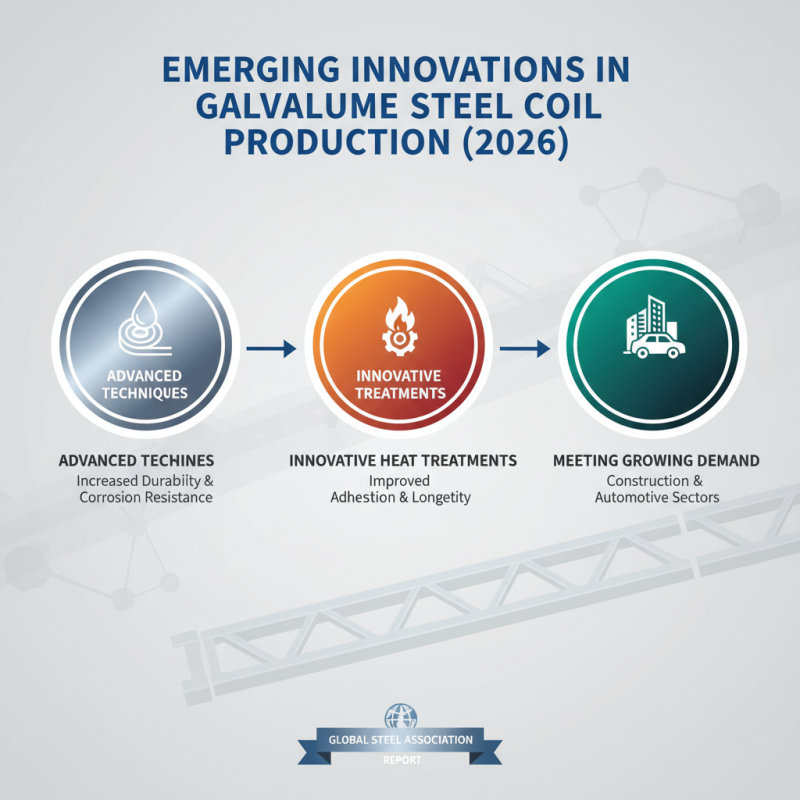
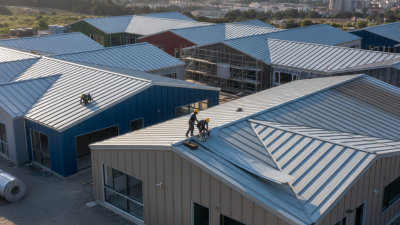
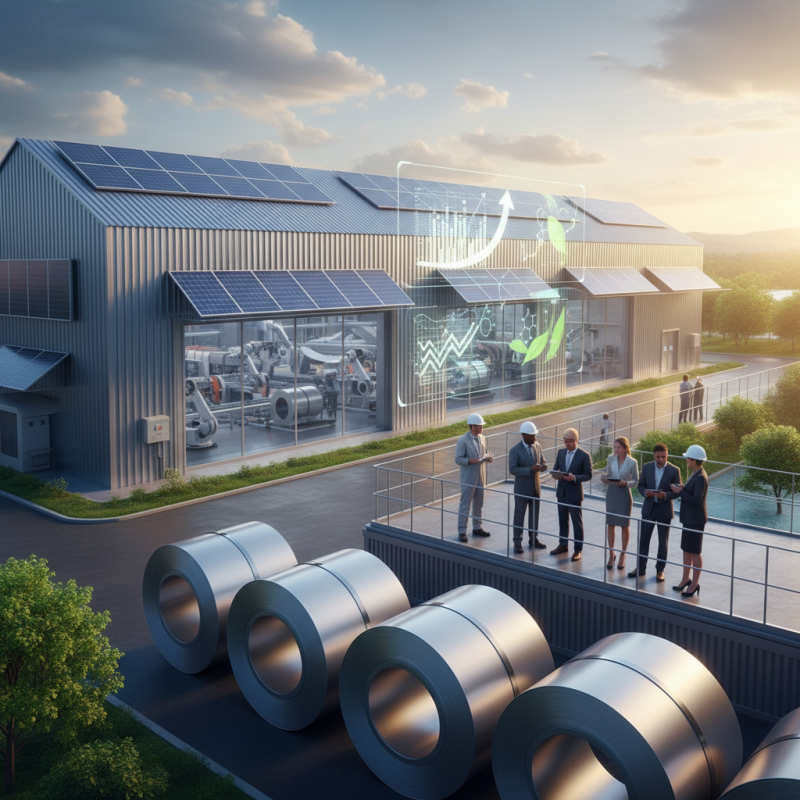
The production of Galvalume steel coils is undergoing transformative innovations in 2026. Advanced coating techniques are central to increasing durability and corrosion resistance. A recent report from the Global Steel Association indicates that innovative heat treatments can boost the performance of Galvalume by improving adhesion and longevity. These techniques aim to meet the growing demand for high-quality steel in construction and automotive sectors.
Automation in manufacturing is another notable trend. Robotics and AI-driven processes enhance precision and efficiency in production lines. According to a study by the International Metalworking Federation, automation can reduce labor costs by up to 30% while increasing output rates. However, this shift raises questions about workforce displacement and the skills gap in the industry.
Sustainability is a pressing concern too. Many manufacturers are exploring eco-friendly techniques. The shift towards using recycled materials and energy-efficient processes is now critical. A recent analysis revealed that about 40% of Galvalume production still relies on non-renewable resources, highlighting an area needing improvement. Addressing these challenges will be essential for the industry's future growth and acceptability.
Market Dynamics Driving Demand for Galvalume Steel Coils in 2026
The Galvalume steel coil market is set to experience significant shifts in demand by 2026. Analysts predict that increased construction activities globally will drive this trend. According to a recent report from Smithers, the construction sector is expected to grow by 5% annually. This development will likely enhance the need for durable and corrosion-resistant materials like Galvalume steel coils.
Furthermore, the eco-conscious mindset among builders is shaping purchasing decisions. A survey by the Global Steel Innovation Forum reveals that 72% of respondents prefer sustainable materials. The favorable properties of Galvalume, such as its longevity and recyclability, align well with this demand. However, challenges remain. The market experiences volatility in raw material prices, which can hinder consistent supply. It is crucial for buyers to stay informed about these dynamics and adapt accordingly.
In addition, advancements in coating technology are enhancing the functionality of Galvalume steel coils. A report from Market Research Future states that innovations can increase the product's lifespan by up to 30%. These improvements provide a competitive edge. Yet, buyers must consider other factors, such as market trends and consumer preferences, as they navigate their purchasing strategies in the evolving landscape.
Regional Market Analysis: Top Consumers of Galvalume Steel Coil Globally
The global market for Galvalume steel coils is experiencing notable shifts. According to industry reports, Asia-Pacific remains the largest consumer, driven by robust construction activities. Countries like China and India lead in demand due to rapid urbanization. In 2022, China accounted for 45% of total global consumption, highlighting its dominance.
North America also demonstrates significant consumption patterns. The U.S. construction sector rebounded sharply post-pandemic, leading to increased usage of Galvalume steel. In 2023, data indicated a 12% rise in demand in North America, fueled by renewable energy projects. However, challenges persist in this region. Supply chain disruptions and fluctuating material costs impact overall availability.
Europe is witnessing a gradual shift towards sustainable materials. Increasing environmental regulations are pressuring industries to adopt eco-friendly options. Galvalume steel, with its corrosion resistance and longevity, aligns well with these trends. Reports suggest that European nations will likely increase their market share for Galvalume products by 5% by 2026. However, implementation delays may hinder this growth. Understanding regional market dynamics is crucial for global buyers navigating the evolving landscape of Galvalume steel coils.
Sustainability Trends Impacting Galvalume Steel Coil Usage in 2026
In 2026, sustainability will be a key driver in shaping the Galvalume steel coil market. The demand for sustainable materials is increasing, with a projected annual growth rate of 4.5% for eco-friendly steel products. This shift results from stricter regulations and consumer awareness regarding environmental impacts. Galvalume steel coils, known for their corrosion resistance, align perfectly with this movement, offering long-term durability while minimizing maintenance needs.
Industry reports indicate that the recycling rate of steel is at an impressive 85%. Galvalume steel coils stand out by utilizing recycled materials, maintaining high performance with a lower carbon footprint. However, misconceptions about steel production processes persist. Many buyers remain unaware of advancements in clean steel technologies that can significantly reduce emissions. Understanding these innovations is crucial for making informed purchasing decisions.
Despite the positive trends, challenges exist. The lifecycle analysis of Galvalume products reveals hidden environmental costs. These include energy consumption during manufacturing and transport emissions. Addressing this complexity is vital for manufacturers and consumers alike. As the market evolves, staying informed about these sustainability trends will be essential for global buyers navigating the future landscape of Galvalume steel coil usage.
Forecasting Price Fluctuations: Galvalume Steel Coil in a Global Context
The global market for Galvalume steel coils is subject to various price fluctuations influenced by multiple factors. Demand in construction and automotive industries often drives these price variations. Current trends indicate that infrastructure investments in emerging markets may bolster demand, leading to price increases. Yet, unforeseen global events can disrupt this trajectory, causing uncertainty among buyers.
On the supply side, raw material costs play a significant role in shaping market prices. Changes in production capabilities or transportation issues can result in price hikes. Additionally, environmental regulations are changing the operational costs for manufacturers, which may reflect in product pricing. Buyers need to stay informed and adaptable in this unpredictable landscape.
Moreover, while forecasts can offer insights, they do not guarantee accuracy. Market conditions can shift unexpectedly, emphasizing the need for ongoing market analysis. Buyers may benefit from establishing strong relationships with suppliers to navigate these fluctuations effectively. Adapting strategies in response to emerging trends can help manage the risks inherent in the Galvalume steel coil market.